Let Us Lift Up Our Hearts and Hands
Lamentations 3:41
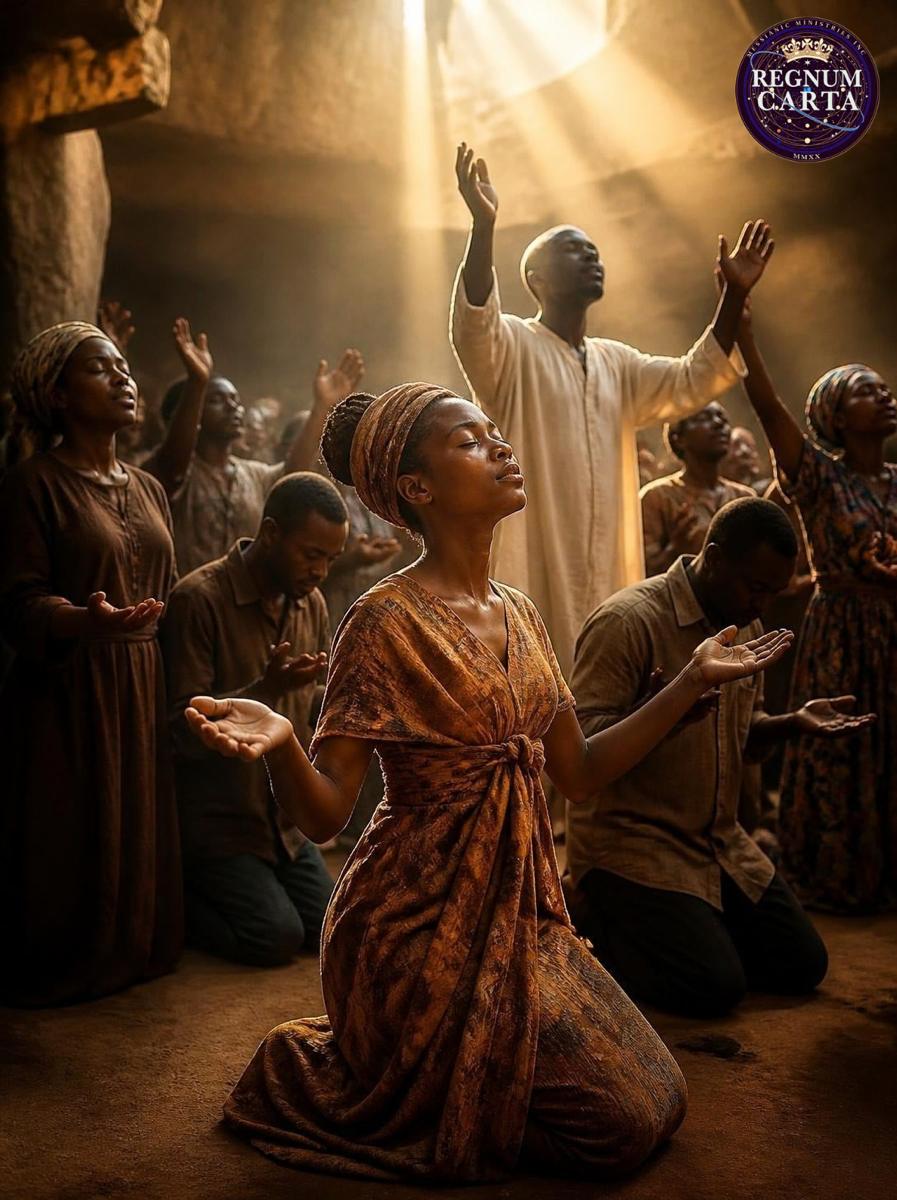
Lamentations 3:41 declares, “Let us lift up our heart with our hands unto God in the heavens.” Within this brief exhortation lies a profound theology of repentance, covenant fidelity, and spiritual restoration. The prophet’s words summon the covenant community to an integrated act of worship in which inward devotion and outward expression converge before the sovereign God of Israel.
The verse emerges from a book traditionally associated with Jeremiah, lamenting Jerusalem’s devastation following the Babylonian destruction of the city and its temple in 586 BC. The catastrophe represented not merely political defeat but a covenantal crisis. The people confronted the consequences of persistent disobedience, the collapse of national security, and the apparent disintegration of their sacred world. Nevertheless, lament does not extinguish hope. It becomes the theological arena in which divine justice, human repentance, and covenant mercy are brought into conversation.
The messianic promise discernible in this passage is that sinners may approach the holy God through sincere repentance and ultimately receive reconciliation through Jesus Christ, the Mediator of the new covenant.
The Hebrew expression translated “lift up” conveys the idea of raising or directing something upward. The heart, represented by the Hebrew lēb, signifies the inner person, including thought, intention, desire, and moral disposition. The hands represent the outward expression of worship, dependence, and supplication.
The verse therefore demands more than ceremonial participation. God requires inward sincerity accompanied by outward obedience. Hands raised without a surrendered heart constitute religious performance; a professed inward devotion that produces no corresponding obedience remains spiritually incomplete.
The plural exhortation, “Let us,” is equally significant. The call addresses the community rather than merely an isolated individual. Israel’s restoration requires corporate acknowledgment of sin and renewed dependence upon God. The concluding designation, “God in the heavens,” establishes the transcendent authority of the One addressed. Though Jerusalem lies devastated, the covenant Lord remains enthroned above its ruins.
Theologically, this verse does not teach that human repentance purchases divine favor. Rather, repentance is the appropriate response of those who recognize God’s holiness, acknowledge their need, and turn toward His mercy.
Lamentations must be interpreted within the covenantal framework of the Hebrew Scriptures. Deuteronomy 28 establishes the relationship between Israel’s covenant obligations and the consequences of disobedience. Jerusalem’s destruction illustrates the seriousness of covenant violation, while the book’s prayers demonstrate that judgment does not invalidate God’s enduring character.
Lamentations 3:22-23 proclaims that the Lord’s mercies are not consumed and His compassions do not fail. Verse 41 follows this declaration within a larger movement toward self-examination, repentance, and renewed hope. The covenant community is summoned to turn toward God rather than surrender to despair.
Yet biblical theology must distinguish Israel’s historical covenant from the new covenant inaugurated through Christ. Jeremiah 31:31-34 promises a new covenant characterized by God’s law written upon the heart and the forgiveness of iniquity. Jesus identifies His sacrificial death with this covenant promise in Luke 22:20.
Consequently, Lamentations 3:41 anticipates a theological reality fulfilled in the redemptive work of Christ: reconciliation requires a genuine turning toward God, while forgiveness ultimately rests upon divine grace rather than human merit.
Lamentations 3:41 does not explicitly identify the Messiah. Its Christological significance emerges through canonical interpretation, which reads the suffering, repentance, and hope of the Old Testament within the larger revelation of God’s redemptive purposes.
Jesus Christ is the righteous Mediator through whom fallen humanity approaches the Father. Hebrews 10:19-22 declares that believers possess confidence to enter God’s presence through the blood of Jesus, drawing near with a true heart in full assurance of faith. The correspondence is striking: Lamentations calls the people to lift their hearts toward God, while Hebrews reveals the redemptive access secured through Christ’s sacrifice.
First Timothy 2:5 identifies Jesus as the one Mediator between God and humanity. Romans 5:1 further declares that justification by faith brings peace with God through our Lord Jesus Christ.
Christ does not eliminate the necessity of repentance; He establishes the redemptive foundation upon which forgiveness and reconciliation are received. At Calvary, divine justice and divine mercy converge. Through His resurrection, Christ confirms the triumph of God’s saving purpose over sin and death.
The believer therefore lifts the heart in repentance and the hands in worship, not to earn acceptance, but in grateful response to the grace made available through the crucified and risen Messiah.
This passage challenges contemporary believers to examine the integrity of their spiritual lives. Are our public expressions of worship consistent with our private conduct? Do our prayers reflect genuine surrender, or merely a desire for divine intervention without moral transformation?
James 4:8 commands believers to draw near to God and cleanse their hands and purify their hearts. The association between hands and hearts reinforces the biblical principle that devotion encompasses both inward purity and outward conduct.
Practically, this means confessing sin honestly, pursuing reconciliation where appropriate, resisting hypocrisy, and demonstrating faith through obedience. In seasons of loss, disappointment, or uncertainty, believers must remember that earthly devastation does not dethrone the heavenly King.
Prayer is not an attempt to manipulate divine power. It is the covenantal response of dependent people who acknowledge God’s sovereignty and trust His revealed character.
A responsible interpretation must avoid treating Lamentations 3:41 as an unconditional promise of immediate prosperity, national restoration, or the fulfillment of every personal desire. Its original setting is communal lament following judgment, and its immediate emphasis is repentance before God.
Nor should its messianic significance be confused with an explicit prediction of Jesus. The Christological reading is canonical and theological: the verse’s call to approach God sincerely finds its fuller redemptive context in Christ’s mediation and the new covenant. This interpretation preserves the historical meaning of the passage while recognizing its place within the unity of Scripture.
Final Word of Exhortation: Lift Both Heart and Hands
Three biblical witnesses strengthen this devotional message. Deuteronomy 4:29 promises that those who seek the Lord with all their heart and soul will find Him. Psalm 24:3-4 connects access to God’s holy presence with clean hands and a pure heart. Hebrews 10:22 calls believers to draw near with a true heart and full assurance of faith.
Together, these witnesses establish a consistent biblical testimony: God desires sincere devotion, moral integrity, and confident approach through His appointed means of grace.
Therefore, lift your heart in repentance, your hands in worship, and your life in obedience. Do not allow sorrow to become spiritual paralysis, nor let religious activity substitute for genuine fellowship with God. The heavenly throne remains occupied, His character remains faithful, and His saving purpose is revealed supremely in Jesus Christ.
The final exhortation is this: Come before God with an undivided heart, trust the finished work of Christ, and let the sincerity of your worship become visible in the holiness of your life.
#Allnations #ame #apostolic #baptist #bible #bibleverse #catholic #christianity #christiantok # cme ##cog #cogbf #cogic #fgbcf #fght #foryou ##islam #jesus #messianicministriesinc #paw #prophetic #seventhdayadventist #tiktok #holyspirit #engagement #rastafari #ethiopian #orthodox #eritrean