
A Shadow of Good Things to Come
Hebrews 10:1
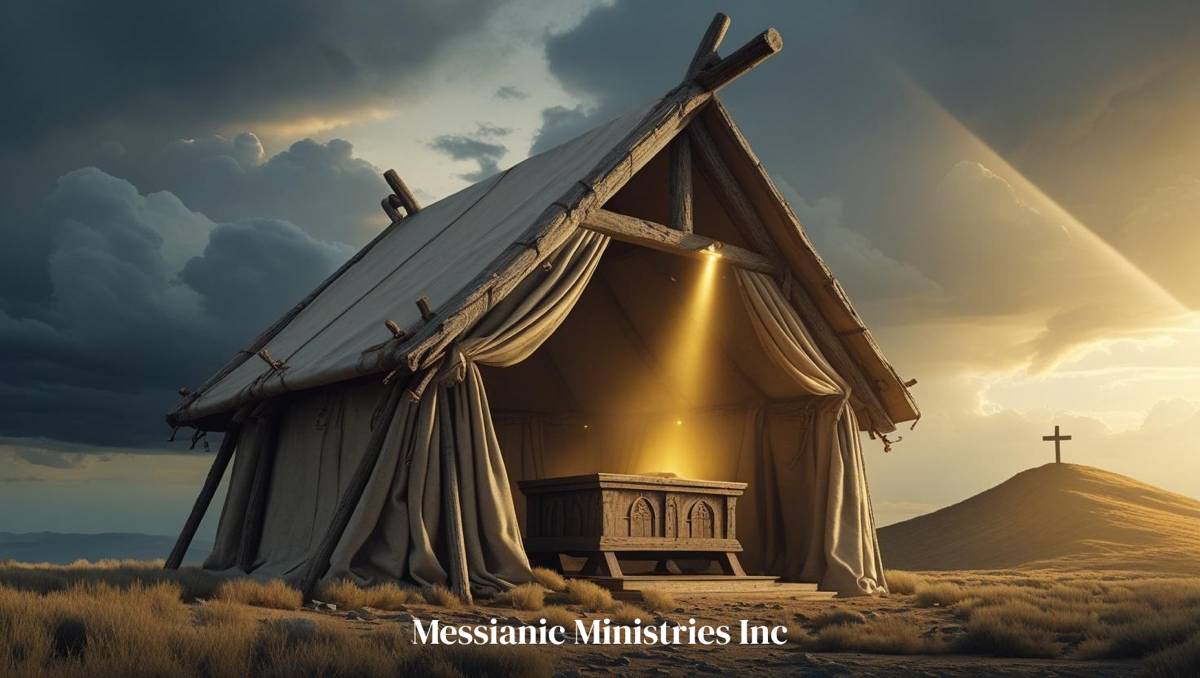
The author of Hebrews asserts that the law, while sacred, was not the ultimate reality but merely a prefiguration. Each commandment, sacrifice, and sacerdotal action signified something greater than itself. The blood of bulls and goats never genuinely eradicated sin; it merely provided temporary atonement. The tabernacle, altar, and veil were a prophetic archetype foreshadowing the completeness embodied in the Messiah.
Israel endured the burden of incessant ritual. Annually, the high priest entered the Most Holy Place, albeit never with conclusive permanence. The curtain persisted. Access was restricted. The guilt persisted. Within this sacred recurrence resided a celestial expectation—a foreshadowing of favorable events to unfold.
Yeshua HaMashiach entered that realm not to annul the law, but to complete it (Matt. 5:17). He did not simply imitate the patterns—he personified them. He transformed into the superior sacrifice, the everlasting High Priest, the living Temple. His singular atonement provided what the law anticipated but failed to achieve—everlasting redemption.
This truth necessitates both reverence and determination for contemporary Messianic Christians. We revere the Torah as the divinely inspired framework of God's covenantal revelation. We assert with confidence that the essence is Christ. The festivities, the banquets, the clergy—all invoke His name.
We do not revert to darkness when illumination has arrived. We exist in the conflict between continuity and completion. The identical God who proclaimed at Sinai has now communicated from Zion through His Son.
The Law as Shadow: The Torah served as prophetic architecture rather than the whole edifice.
Christ as Fulfillment: Yeshua represents the quintessence of every Levitical archetype.
Final Atonement: His blood accomplishes what the sacrifices could never achieve—purifying the conscience.
Novel Access: The barrier is breached. We now approach with confidence (Heb. 10:19–22).
Harmonious Commitment: We revere the Torah while affirming the New Covenant truth.
#Christianity #jesus #christiantiktok #bible #foryou #cogic #cogbf #cog #apostolic #seventhdayadventist #messianicministriesinc #allnations #fgbcf #tiktok #bibleverse #prophetic #fght #paw
Appointed for Glory in Zion
Isaiah 28:16
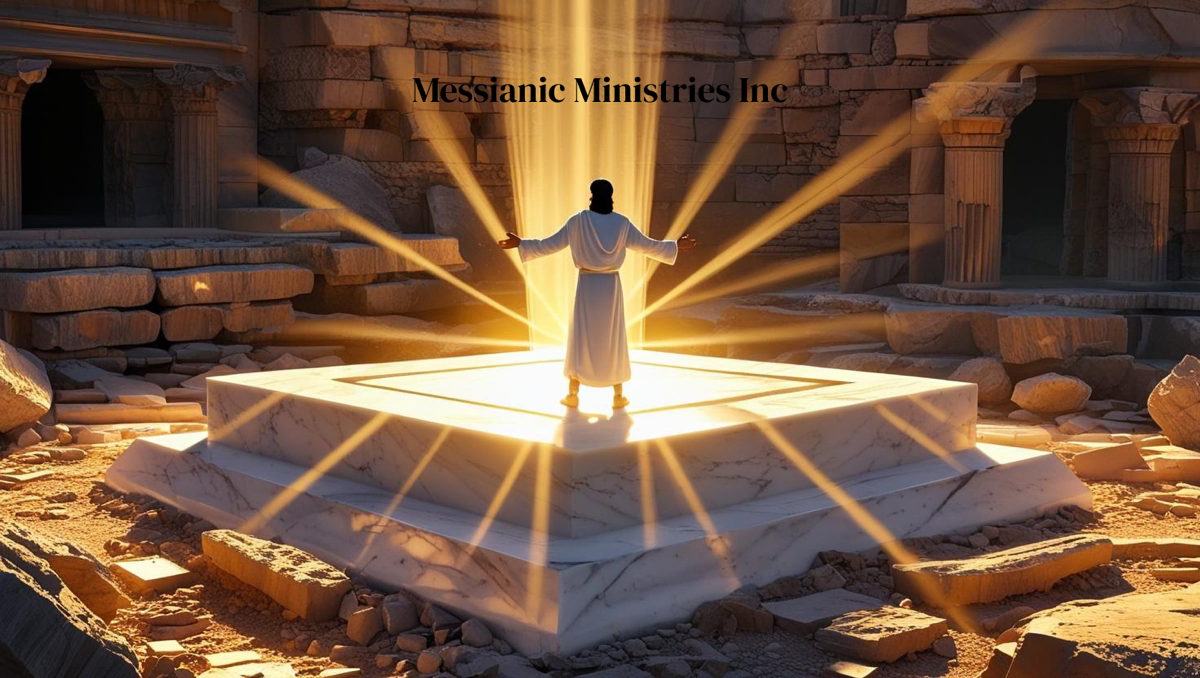
Isaiah 28:16 is a fundamental prophecy—both metaphorically and literally. It proclaims the divine establishment of a steadfast and everlasting foundation in Zion. This stone is not merely figurative. Messiah Yeshua embodies the symbolism of the “precious cornerstone” (cf. 1 Peter 2:6, Romans 9:33).
The chapter juxtaposes the volatility of Ephraim's leadership and the illusory safety of their partnerships (vv. 1–15) with God's establishment of an unshakeable foundation. The Hebrew term meaning "make haste" connotes urgency or a sense of shameful retreat. The believer will remain steadfast and unashamed. Trust in the foundation serves as the fulcrum of covenant stability.
This prophecy anticipates the acceptance and rejection of the Messiah. The builders, the leaders of Israel, would repudiate Him (Psalm 118:22), yet the Lord would select and elevate Him. The foundation established in Zion is not transient but everlasting. It remains steadfast in the face of adversity. The Messiah has been tested and demonstrated to have borne the entirety of sin, judgment, and death, subsequently rising as the firstfruit of the new creation.
This stone symbolically signifies the restoration of the House of David (Amos 9:11). Each covenant promise—from Abraham to Moses to David—derives its integrity from this foundation. Believers are integrated into the Israel of God (Romans 11:17–24) and are urged not to retreat hastily, but to remain steadfast and prevail.
The Messiah is the proven and selected cornerstone; the entire covenant framework relies on Him.
Faith fortifies the believer - Confidence in the foundation alleviates fear and guilt.
Zion transcends mere geography; it embodies prophecy as the epicenter of redemptive fulfillment.
Rejection by men does not invalidate divine assignment — Yeshua was rejected yet remains the cornerstone of God.
Relevance in the end times — As the world trembles, the foundation remains steadfast. Those who are in Him will not act impulsively.
#Christianity #jesus #christiantiktok #bible #foryou #cogic #cogbf #cog #apostolic #seventhdayadventist #messianicministriesinc #allnations #fgbcf #tiktok #bibleverse #prophetic #fght
The Risen Shepherd Stands Among the Scattered
Zechariah 13:7
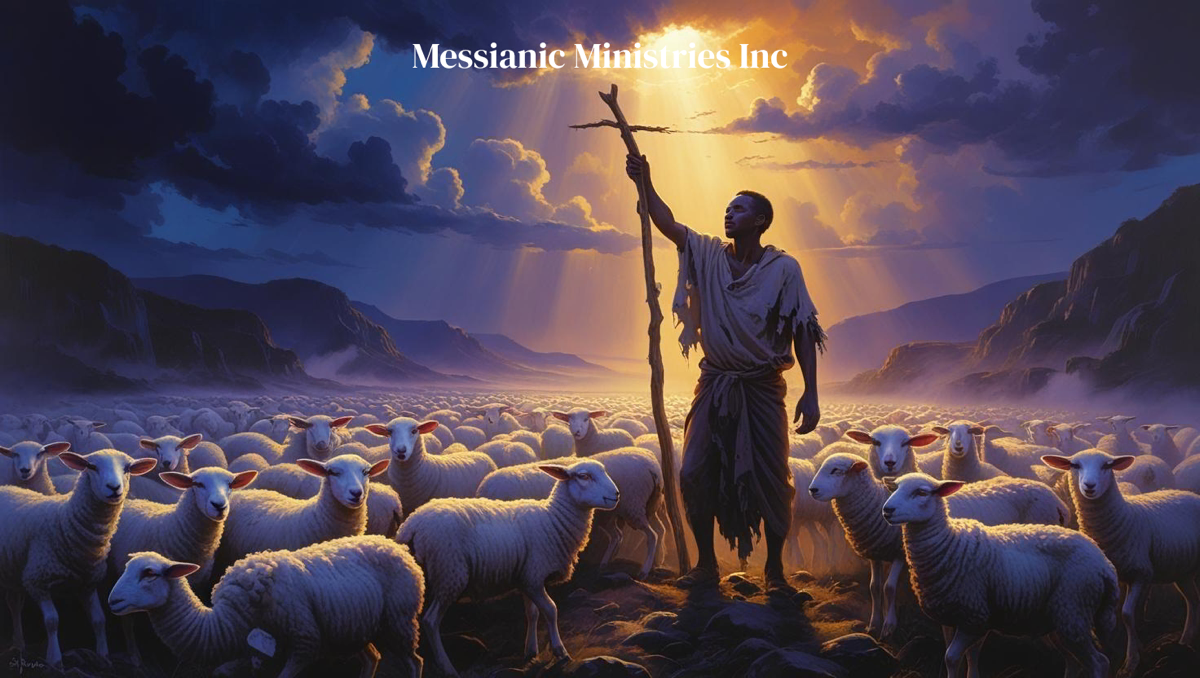
This sentence encapsulates a prophetic declaration realized in the apprehension and crucifixion of Christ. The Shepherd is the Messiah—stricken by the divine will (Isaiah 53:10). His disciples, akin to sheep, dispersed in trepidation (Matthew 26:31). However, inside this apparent failure lies the enigma of divine restoration: “I will direct my attention towards the vulnerable.”
This hand signifies mercy rather than condemnation. Subsequent to the dispersal, the Risen Shepherd reassembles His congregation. The "little ones" refer to the modest, the remnants, those frequently overlooked yet cherished. Yeshua currently exists not merely as the One who was once afflicted, but as the resurrected Shepherd, triumphant and diligently assembling His followers in anticipation of the ultimate redemption of Israel and the nations.
This verse prompts every believer to remember: despite the dispersion, there is now a reassembly. Despite the solitude within the tomb, the Shepherd now calls His sheep by name. He is extending His hand—in mercy, healing, and commissioning—toward those formerly concealed.
Prolific: This verse extends beyond its initial realization. In every era when shepherds are afflicted, the sheep disperse. Nevertheless, God's hand does not forsake; it transitions to the remnant. Today, He is directing His attention towards the concealed, loyal individuals. The dispersion facilitates a more significant assembly. The Shepherd exists and is summoning those who have remained close, even in anonymity.
Intelligence :
• The dispersion is not final—it serves as preparation.
• Divine providence supports the faithful remnant. Obscurity is not a form of rejection; it is a matter of positioning. Injured shepherds do not imply a mute Shepherd.
• Remain prepared; the assembly has commenced. • Messianic Fulfillment: Zechariah’s prophecy anticipates Christ’s death and resurrection (cf. Matthew 26:31).
• Divine Sovereignty: The LORD authorized the smiting not for destruction, but for redemption.
• The Remnant Restored: The "little ones" represent the concealed faithful, who are now being summoned.
• Prophetic Parallel: Dispersion precedes reassembly; the Shepherd is summoning once again (Ezekiel 34:11–16).
• Today's Call: Do not dread the tremors. The Shepherd is in attendance.
#Christianity #jesus #christiantiktok #bible #foryou #cogic #cogbf #cog #apostolic #seventhdayadventist #messianicministriesinc #allnations #fgbcf #tiktok #bibleverse #prophetic
The Lord Whom Ye Seek Shall Suddenly Come
Malachi 3:1

Malachi delivers a prophetic message that extends beyond its immediate post-exilic context. The verse commences with a declaration: “Behold, I will dispatch my messenger.” This certainly indicates John the Baptist, the precursor. However, what ensues elevates the text to a Messianic perspective: “The Lord, whom you seek, shall unexpectedly arrive at his temple.”
This is not a standard visitation. It is a theophany—God manifesting in corporeal form, the Messenger of the Covenant. Yeshua truly fulfilled this when He entered and purified the Temple (Matthew 21:12–13). Nevertheless, the ultimate realization is forthcoming. The term "suddenly" implies not only rapidity but also a divine intervention—God intervening at a predetermined yet unforeseen moment.
This is both a warning and a commitment. A caution for the unprepared. A commitment to those who take pleasure in Him. The covenant transcends simple legislation; it constitutes a relationship sanctified by the blood of the Lamb. Yeshua, as the Envoy of the Covenant, arrived once to redeem and will return to govern.
This text confirms Yeshua's twin mission of redemption and return for the Messianic believer. We anticipate not a different Messiah, but the identical One—initially as the suffering servant, and shortly as the reigning King.
•Dual Fulfillment: Yeshua arrived in the Temple in humility and will return in glory.
• Covenantal Identity: He embodies not merely the covenant—He serves as its Messenger and Mediator.
• Abrupt Emergence: His reappearance will be rapid, resolute, and incontrovertible.
• Expectation versus Readiness: Numerous individuals pursue the Lord, although not all are equipped for His manifestation.
• Temple Centrality: The divine presence is intrinsically linked to Zion; His covenant persists with Israel.
Prolific: We are currently in an era where numerous individuals are "seeking" without exercising discernment. The Messenger of the Covenant will arrive not to endorse institutions, but to evaluate, cleanse, and complete. His abrupt return will reveal the distinction between the devout and the redeemed. Zion is not forsaken; it serves as the platform for His manifestation.
Intelligence : Pursue Him while He is accessible. The unexpected occurs solely for those who have not observed. Ensure your commitment is in accordance with the covenant— for the Messenger is not tardy; He exhibits patience.
#Christianity #jesus #christiantiktok #bible #foryou #cogic #cogbf #cog #apostolic #seventhdayadventist #messianicministriesinc #allnations #fgbcf #tiktok #bibleverse #prophetic
They Shall Ask the Way to Zion
Jeremiah 50:5
This sentence originates from a prophesied condemnation of Babylon, however it has a profound insight into redemption. In the midst of dispersion, loss, and captivity, a remnant emerges with their hearts directed toward Zion. The exile has ignited a yearning—not alone for territory, but for the restoration of covenant.
The expression "with their faces thitherward" signifies spiritual resolve. They are not purposeless drifters. They pursue Zion not out of nostalgia, but because the LORD resides there. This is not nationalism; it is covenantal alignment.
The Messiah is crucial in this context, while not explicitly mentioned. Only through Him may one enter an everlasting covenant that shall not be forgotten. The Hebrew term berit olam (everlasting covenant) resonates with Genesis 17, Isaiah 55, and Ezekiel 37, alluding to the Messianic regeneration that surpasses temporal and tribal boundaries.
The prophetic invitation is communal: “Come, let us unite with the LORD.” This represents the aliyah of the heart—both Jew and Gentile pursuing the King of Zion. This passage resonates with intensity in contemporary times. The path to Zion is constructed not only with intention but also with repentance, revelation, and sacrificial access.
* Prophetic Guidance: The remnant directs their focus towards Zion—both physically and spiritually.
* Covenantal Restoration: They want not merely a return, but a reunion through an everlasting covenant.
* Messianic Fulfillment: Only Yeshua can mediate the eternal covenant that is irrevocable.
* Corporate Revival: This is a communal appeal—“Come, let us unite with the LORD.”
* Hope Beyond Captivity: Even under judgment, God articulates redemption and return via covenant fidelity.
If your heart is directed towards Zion today, you are not solitary. Renew your commitment to the LORD—His covenant remains, His promises persist. His followers continue to assemble.
#Christianity #jesus #christiantiktok #bible #foryou #cogic #cogbf #cog #apostolic #seventhdayadventist #messianicministriesinc #allnations #fgbcf #tiktok #bibleverse #prophetic
The Redeemer Shall Come to Zion
Isaiah 59:20
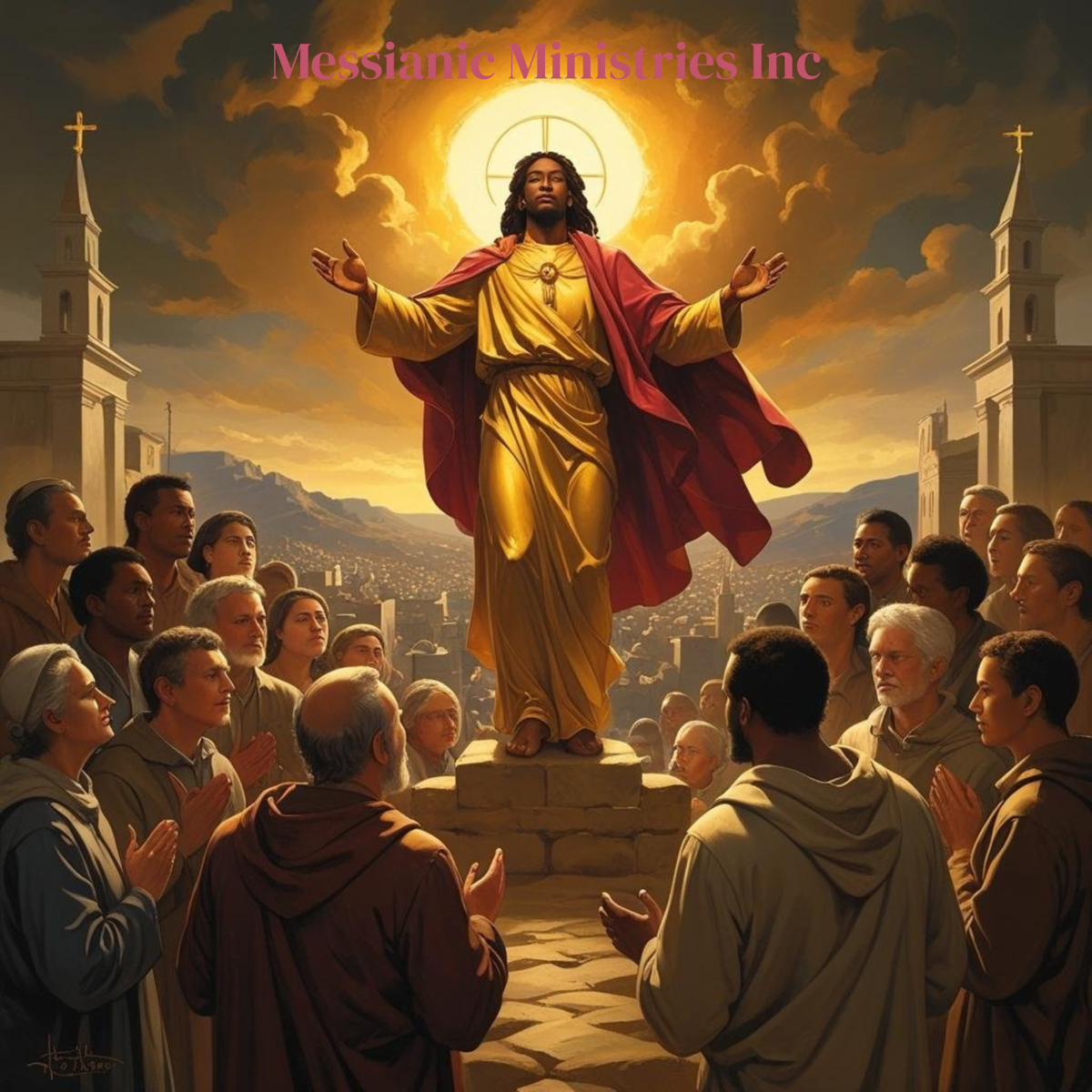
This verse is fundamental to Messianic prophecy. The Redeemer, or Go'el in Hebrew, denotes the kinsman-redeemer—an entity responsible for restoring familial inheritance and rights. Isaiah 59:20 states that the LORD assures the arrival of a Redeemer to Zion, intended not for judgment, but for restoration. This is not a universal visitation; it is exclusively for those who repent from transgression in Jacob. Repentance is the essential element that harmonizes the heart with redemption.
Rabbinic tradition associates this verse with the anticipation of Mashiach ben David. In Romans 11:26–27, Paul explicitly cites this verse to assert that “all Israel shall be saved,” linking the arrival of the Redeemer with the covenant and the expiation of sin.
This prophecy finds its earliest fulfillment in Yeshua the Messiah. He arrives not merely to absolve but to transmute. His atonement beckons both Jew and Gentile into the New Covenant; but, Isaiah’s terminology maintains emphasis on Jacob—highlighting God’s steadfast dedication to national Israel. The Messianic hope is not an abstraction; it is grounded in covenant, geography, history, and promise.
The return to Zion, in both spiritual and physical contexts, is associated with the mission of the Redeemer. This verse asserts that God's restorative plan is not a reaction but a preordained design. The Redeemer will arrive. Those who renounce sin and adhere to God’s covenant will receive Him.
Messiah as Kinsman-Redeemer: Yeshua embodies the function of Go’el, reclaiming what sin and exile have usurped.
Rehabilitation Connected to Repentance: The promise is not automatic; it is covenantal and relational—extended to those who repent.
Zion as the Central Focus: God's redemptive strategy is centered on Zion, both in a physical and prophetic context.
Paul's Apostolic Confirmation: Romans 11 links Isaiah 59:20 to the complete salvation of Israel in the Messiah.
Hope Anchored in Prophecy: This is not metaphorical language; it is a tangible promise anticipating complete eschatological realization.
#Christianity #jesus #christiantiktok #bible #foryou #cogic #cogbf #cog #apostolic #seventhdayadventist #messianicministriesinc #allnations #fgbcf #tiktok #bibleverse #prophetic
The Branch of the Lord Shall Be Beautiful and Glorious
Isaiah 4:2

Isaiah 4:2 stands as a luminous assurance among condemnation. The chapter depicts the destruction outlined in Isaiah 3—Jerusalem bereft of pride, its leaders diminished. Nevertheless, a remnant persists amidst this desolation. They are granted a vision of restoration: “the branch of the LORD” will be magnificent and splendid.
The term “Branch” (tsemach) serves as an unequivocal Messianic designation (cf. Jeremiah 23:5, Zechariah 3:8). It depicts the Messiah as the divinely ordained sprout that imparts life in the presence of death. His beauty is not cosmetic; it is the manifestation of righteousness, holiness, and redemption.
The earth's fruit represents both natural bounty and spiritual rejuvenation. For the "escaped of Israel," the survivors of judgment, the Messiah serves as the wellspring of new life. This verse predicts the millennial reign, during which the Messiah's grandeur would be completely manifested in Jerusalem, and the land will thrive under His dominion.
This verse serves as both hope and a call to action for contemporary believers. It serves as a reminder that, despite destruction, God elevates His Branch. The Messiah does not simply mend what is fractured; He produces something entirely magnificent.
“The Branch” is a designation for the Messiah, predicting His salvific purpose.
Beauty and glory do not stem from human endeavors but from the divine promise instilled by God.
The remnant idea asserts that God safeguards a people for Himself.
Spiritual and natural restoration are inextricably linked in the Messianic era.
The Messiah converts devastation into abundance for all who place their faith in Him.
#Christianity #jesus #christiantiktok #bible #foryou #cogic #cogbf #cog #apostolic #seventhdayadventist #messianicministriesinc #allnations #fgbcf #tiktok #bibleverse #prophetic
The Holy One in the Midst of Thee
Hosea 11:9
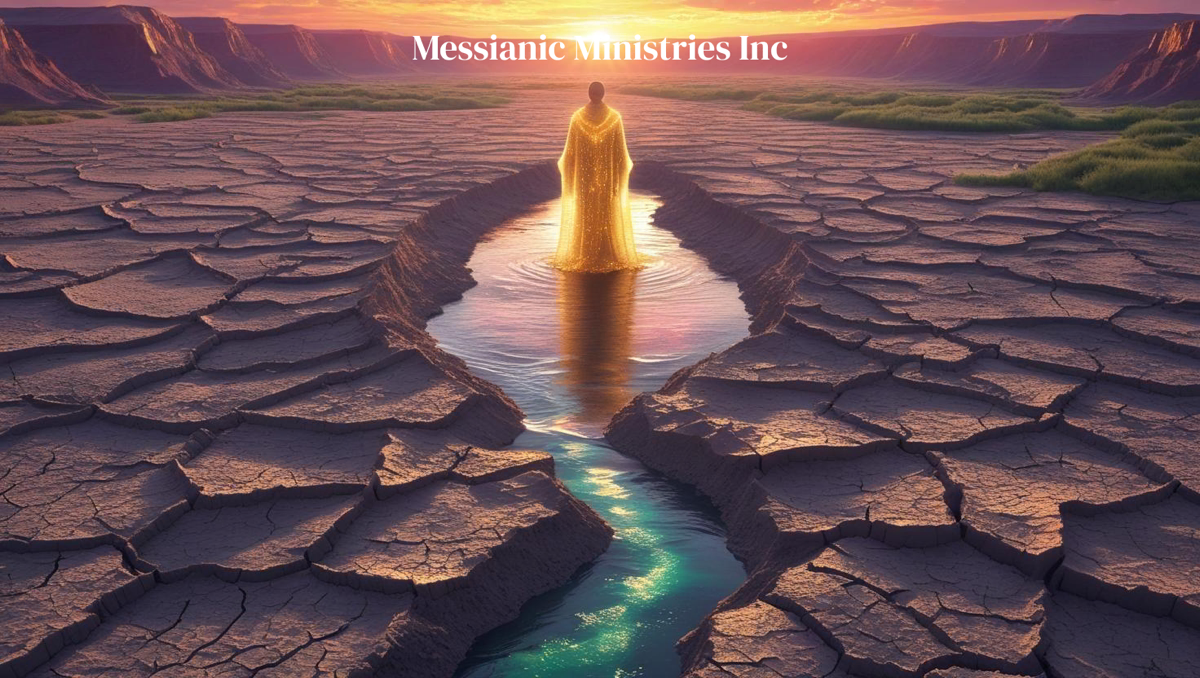
Hosea 11 articulates God's covenantal affection for Israel, albeit their insubordination. Verse 9 encapsulates the dichotomy of divine justice and mercy: “I will not execute the fierceness of my anger.” The Holy One dwells among His people—not to annihilate, but to rejuvenate.
In contrast to us, God does not act impulsively. His holiness is intrinsically linked to compassion. His transcendence does not preclude His proximity. He proclaims, “I am divine, not human.” This represents a differentiation of divine constraint. God remains steadfast to His commitment, despite His people's betrayal.
The expression "the Holy One in the midst of thee" possesses significant Messianic connotations. The identical God who abstained from annihilating Ephraim thereafter resided corporeally among His people in Yeshua HaMashiach (John 1:14). The incarnation is not a contradiction of sanctity, but rather its complete manifestation in compassion and veracity.
The restoration of Israel is contingent not upon merit, but rather on divine kindness. For the believer, the present solace is this: the Lord remains ever-present. He is not far. He is unlike a man. He is sacred—His sanctity curtails anger and upholds grace.
• Divine Mercy Prevents Annihilation: Although rage is warranted, love prevails.
• The Divine Nature is Distinct from Humanity: God does not react based on emotional instability.
• The Holy One Resides Among His People: This is foreshadowed and realized in the Messiah.
• The Presence of God Precedes Deliverance: Divine presence guarantees hope, even prior to observable transformation.
• Messianic Fulfillment: Christ is the Holy One who incarnated among us, embodying the complete realization of Hosea 11:9.
#Christianity #jesus #christiantiktok #bible #foryou #cogic #cogbf #cog #apostolic #seventhdayadventist #messianicministriesinc #allnations #fgbcf #tiktok
I Will be to Them a God
Jeremiah 31:33

Jeremiah prophesies during the disintegration of Judah's monarchy and the impending exile. Amidst this catastrophe, God articulates a promise unprecedented in Israel's history. A new covenant, distinct from the one established at Sinai, which was frequently violated through disobedience, will be instituted. It would not rely on exterior tablets, rituals, or national boundaries, but would permeate the innermost being and be inscribed in the heart.
This new covenant is realized in Yeshua HaMashiach, whose blood instituted this inward transformation (cf. Hebrews 8:10–13). It is not a repudiation of the Torah, but rather its ascension from the material to the spiritual realm. The Spirit of God facilitates obedience—not just external conformity, but inward congruence. The expression “I will be their God, and they shall be my people” constitutes covenantal terminology recurrent in Scripture, ultimately fulfilled in Revelation 21:3 at the culmination of the era.
This verse pertains to the remnant of Israel and, by extension, to all who are incorporated through faith (Romans 11:17). The promise is not solely doctrinal; it is relational. God does not only provide a law; He bestows Himself. The covenant not only delineates obligations but also shapes identity.
In the contemporary era of the Spirit, the believer exists as a sanctuary of this covenant. The Torah inscribed on the heart signifies that righteousness, love, and truth transform become innate tendencies rather than enforced mandates. This is the undertaking of the Messiah, and it is irrevocable.
* New Covenant Promise - This constitutes the prophetic foundation of the covenant that Yeshua ratified with His blood.
* Internal Transformation - The Torah is not nullified but assimilated by the Spirit.
* Relational Identity - “I will be their God” embodies the essence of covenantal partnership.
* Messianic Fulfillment – This verse is explicitly realized in Yeshua and cited in Hebrews 8 and 10.
* Eschatological Importance – The covenant foresees the complete restoration of Israel and the habitation of God among His people.
#Christianity #jesus #christiantiktok #bible #foryou #cogic #cogbf #cog #apostolic #seventhdayadventist #messianicministriesinc #allnations #fgbcf #tiktok
The Key of David
Revelations 3:7
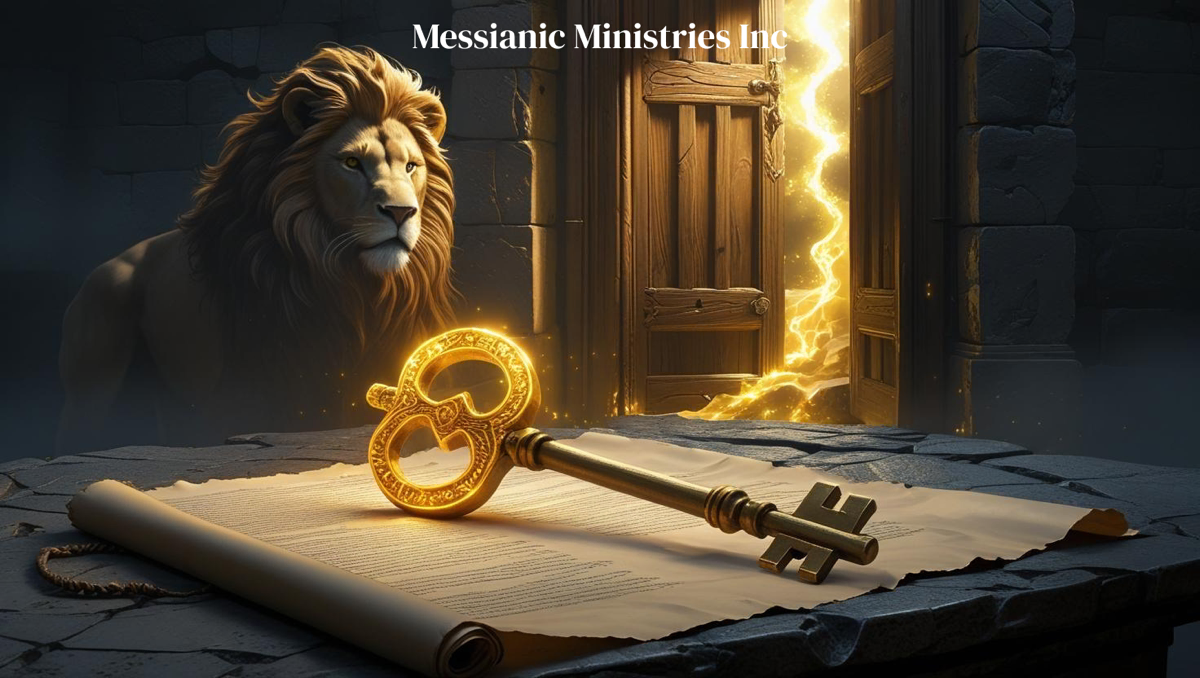
This proclamation is directed to the assembly in Philadelphia—a loyal contingent. The speaker is Yeshua, characterized by Messianic authority: sacred, authentic, and holding the “key of David.” This statement references Isaiah 22:22, where authority is conferred upon Eliakim, a servant of the Davidic lineage. Yeshua now possesses the eternal authority to govern, to provide access, and to close what no one else can open.
This key embodies governmental control, ecclesiastical access, and regal authority. For the Messianic believer, the “key of David” represents not only Yeshua’s Davidic heritage but also His authoritative right to grant His adherents access to the Kingdom promises bestowed upon David—an everlasting throne, just dominion, and an unwavering covenant (2 Sam. 7:12–16).
The open door signifies a heavenly opportunity—access to kingdom purpose, intimacy, and service. No might of hell can shut what He has opened. No persecution, no political edict, nor religious gatekeeping can obstruct what He has rendered accessible.
This also challenges every idea of control. Human systems wrongly impose restrictions, yet the Messiah transcends them. To the devout, particularly those in precarious or oppressed circumstances, He provides reassurance: “Behold, I have set before thee an open door, and no man can shut it” (Rev. 3:8). He is the sole Door (John 10:9).
• Key of David: Messianic authority founded in the Davidic covenant.
• Open and Shut: The Messiah dictates access—no one can supersede His edict.
• Faithful Remnant: The promise pertains to a community distinguished by fidelity rather than magnitude.
• Kingdom Access: The key symbolizes spiritual authority and covenantal entry.
• Divine Certainty: No adversarial force can annul what God decrees.
#Christianity #jesus #christiantiktok #bible #foryou #cogic #cogbf #cog #apostolic #seventhdayadventist #messianicministriesinc #allnations #fgbcf #tiktok
He Will Rest in His Love
Zephaniah 3:17

Zephaniah’s prophecy concludes not with fury but with rejuvenation. This verse constitutes a poignant Messianic promise. The Lord is not remote; He is "in the midst" of His people—immediate, personal, and potent. His presence is not inert; He possesses the power to redeem. This promise is ultimately realized in Yeshua the Messiah, who resided among us and offers eternal salvation.
The expression "he will repose in his affection" is profound. The Hebrew implies a celestial tranquility or silence—a serenity derived from total contentment. God takes pleasure in His redeemed. This transcends simple acceptance; it embodies exuberant, melodic affection. The imagery is nurturing, akin to soothing a kid not with directives, but through presence and melody.
This scripture confirms that God's love is unmerited for the Messianic believer. He does not simply endure His people; He delights in them. In Messiah, we become the focus of God's delight. This is covenantal, eschatological joy—love that is fully realized when God reunites with His people in the ultimate redemption.
• The Messiah is here among us: This is not solely a future event—it has already commenced through the indwelling Spirit.
• Divine exultation: God rejoices over His people; salvation encompasses not merely deliverance, but also joy.
• Resting in affection: His love provides tranquility, safety, and validation.
• Fulfillment in Yeshua: The powerful savior is the One who has arrived and will return.
• Restoration and jubilation: The Messianic era reinstates joy in the presence of terror.
#Christianity #jesus #christiantiktok #bible #foryou #cogic #cogbf #cog #apostolic #seventhdayadventist #messianicministriesinc #allnations #fgbcf #tiktok
The Covenant Confirmed in Mercy
Psalms 89:33
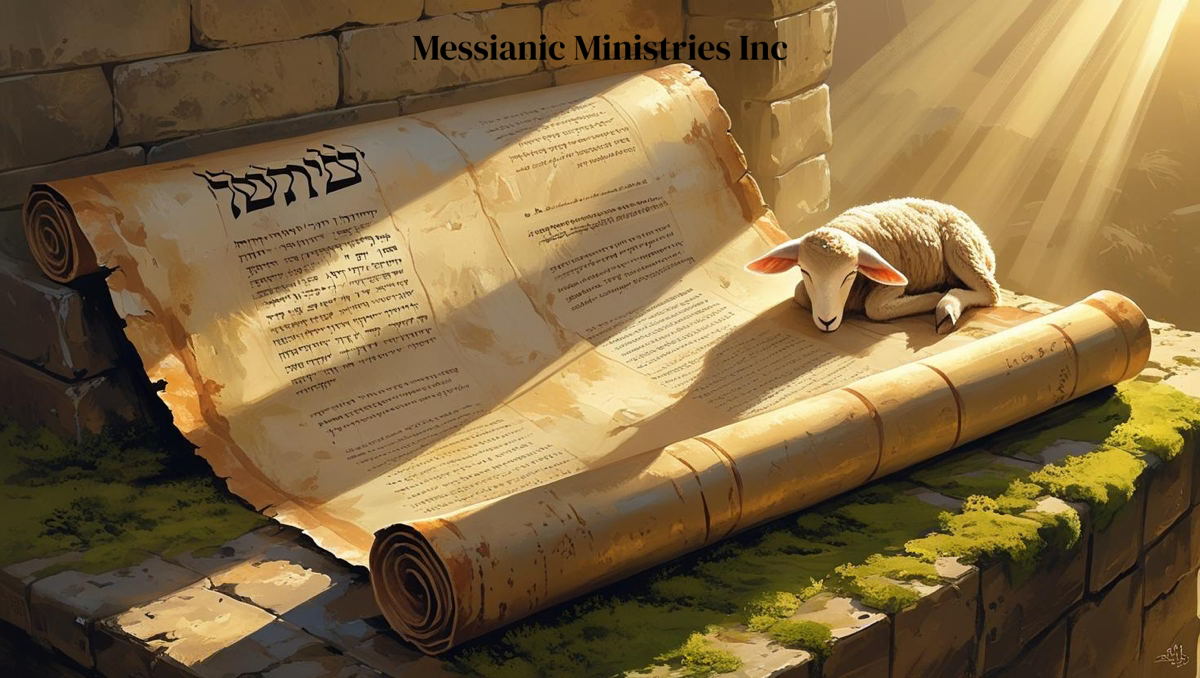
Psalm 89 reflects on the covenant established by God with David, characterized by both promise and a profound dedication to mercy, even in the face of judgment. While the psalm recognizes the consequences of disobedience, it reaffirms an unchanging truth: God's chesed, His covenantal mercy, shall remain steadfast.
This passage demonstrates the immutable essence of divine loyalty. Despite failures, betrayals, and breaches of covenant on humanity's part, God reaffirms His steadfast lovingkindness. The Hebrew term chesed denotes unwavering love, compassion, fidelity, and grace. It is not contingent upon accomplishment but is inherent to God's character.
This covenantal mercy attains its culmination in Messiah Yeshua. He exemplifies the fidelity of God. Where Israel faltered, the Messiah complied. Where David's progeny faltered, Yeshua stayed immaculate. The commitment to David is eternally anchored in the resurrection of the Son of David, who currently reigns at the right hand of the Father.
This passage is both historical and prophetic. It indicates the ultimate restoration of Israel (cf. Romans 11:25–27) and the perpetual love God holds for His people, both Jew and Gentile, who now share in the promises via the Messiah. The compassion granted to David is the compassion offered to us. His fidelity will remain unwavering, even in the face of our own shortcomings.
• Chesed (חֶסֶד): Covenant mercy; perpetual, not transactional.
• Divine Fidelity: Remains unwavering, even in the face of human shortcomings.
• The Messiah's Role: The indissoluble connection in the covenantal chain.
• Prophetic Continuity: The Davidic promise persists in the Messiah and is being realized in the eschatological restoration of Israel.
• Personal Assurance: Adherents operate under a covenant established not through deeds, but by kindness validated in Christ.
#Christianity #jesus #christiantiktok #bible #foryou #cogic #cogbf #cog #apostolic #seventhdayadventist #messianicministriesinc #allnations #fgbcf #tiktok
In That Day Will I Raise Up
Amos 9:11
Amos prophesies a day when the collapsed tabernacle of David will be reinstated. This promise emerged under a setting of judgment, as Israel confronted imminent ruin owing to transgression and idolatry. Amid the proclamation of justice, God presents a redemptive future—“In that day”—a prophetic indication of the Messianic era.
The tabernacle of David was not merely a physical edifice; it symbolized unrestrained worship, divine grace, and the proximity of God's presence. The restoration signifies not merely national rejuvenation but also spiritual resurrection through the Messiah, who is both the Root and Offspring of David (Revelation 22:16). This restoration is partially achieved via the incarnation of Yeshua (Jesus), who reinstates the communion between God and humanity.
In Acts 15:16–17, James references this scripture at the Jerusalem Council, relating it to the incorporation of the Gentiles. Through the Messiah, divisions are mended, the marginalized are united, and the nations are encompassed by the covenantal protection of David's lineage. It involves not just the reconstruction of a location but also the reformation of a community—a devout community under the sovereignty of the Messiah.
Today, this term urges the devout to recall that God continues to elevate what has descended. He restores every shattered altar, every dispersed remnant, and every fissure in the wall. This encompasses individuals, families, and even nations. The restoration occurs according to His stipulations: via the covenant, through grace, under the Messiah, and directed towards worship.
“In that day” indicates the prophetic realization of the Messiah’s redeeming mission.
“Tabernacle of David” denotes revitalized worship and Messianic sovereignty.
Restoration encompasses both Israel and the nations into a singular covenantal dominion.
The ruins will not persist as ruins. God reconstructs what corresponds with His intention.
The Messiah reinstates access to God's presence—mending divisions and rejuvenating altars.
#Christianity #jesus #christiantiktok #bible #foryou #cogic #cogbf #cog #apostolic #seventhdayadventist #messianicministriesinc #allnations #fgbcf #tiktok
The Day of His Power
Psalms 110:3
Psalm 110 is a royal and Messianic psalm, ascribed to David, and is often referenced in the New Testament to delineate the authority and identity of the Messiah. Verse 3 references a pivotal period in redemptive history—the day of thy power—when the Messiah's authority is publicly recognized, eliciting a voluntary response from His followers.
The "day of thy power" signifies not only an earthly reign but a divinely ordained time of revelation, when the Messiah asserts His rightful authority—both spiritually in the present and in its entirety upon His return. The populace's readiness indicates a remnant motivated by revelation rather than compulsion. These individuals perceive the times and answer the call with sanctity, sacrifice, and joyfulness.
The phrase “From the womb of the morning” poetically signifies that this resurrection and consecration occurs at the dawn of a new age. Similar to the emergence of dew in the early hours, the people of God awaken with quiet fortitude, rejuvenated and prepared. “The dew of thy youth” signifies the Messiah’s vigor, perpetual priesthood, and inexhaustible strength—He is eternally youthful, perpetually pure, and always capable.
This text foretells a Messianic resurgence. In the final days, the Spirit will assemble a community devoted to holiness, devoid of religious pretense. Their strength resides in their readiness; their allure is rooted in sanctity. They constitute His army, clad not in battle armor, but in the vestments of devotion. They adhere to the Lion of Judah, drawing strength from His resurrection and sacerdotal service.
* Messianic Timing - The day of His authority signifies a divine kairos moment when the Messiah's reign is revealed.
* Willing Individuals - The remnant will react to the Messiah not out of obligation but through revelation and aspiration.
* Holiness as Aesthetic – The people of God are distinguished not by position but by sanctification; holiness is their embellishment.
* The Dawn Motif - Morning represents the advent of a new Messianic period; the populace emerges like dew—fresh, tranquil, proliferated, and dispatched.
* Prophetic Alignment – This verse corresponds with Acts 2, Revelation 14:1–5, and Joel 2:1–11; it refers to a consecrated army that progresses in compliance.
#Christianity #jesus #christiantiktok #bible #foryou #cogic #cogbf #cog #apostolic #seventhdayadventist #messianicministriesinc #allnations #fgbcf #tiktok
Covered All the Day Long
Deuteronomy 33:12

This is Moses' prophetic benediction for the tribe of Benjamin prior to his demise. Benjamin, the least of the tribes, receives one of the most profound blessings: he is referred to as “the beloved of the Lord.” This title is not merely symbolic; it possesses covenant significance. In Israel's subsequent history, Benjamin's domain encompassed Jerusalem, where the Divine presence resided in the Temple, affirming the proximity implied in this phrase.
The expression "shall dwell in safety by him" signifies not only protection but also communion—residing in proximity to God Himself. It depicts a vision of spiritual closeness, wherein the believer's assurance resides not in external conditions, but in nearness to the Divine.
The subsequent line amplifies this imagery: “The Lord shall envelop him throughout the entire day.” The Hebrew term "cover" (חוֹפֵף ḥōp̄ēp̄) implies hovering or overshadowing, akin to the Spirit brooding over the seas in Genesis 1:2. It denotes active, continuous divine protection rather than passive detachment. The expression "all the day long" signifies constancy: God's protection is perpetual.
Ultimately, “he shall dwell between his shoulders” symbolizes a state of secure posture. In Hebrew language, "between the shoulders" signifies a locus of strength or elevation. Jerusalem was geographically located amid the hills. Spiritually, it represents being embraced, elevated, and supported—akin to a shepherd carrying a lamb on his shoulders.
This benefit is ultimately realized in Christ, the genuine Beloved of the Father (Matthew 3:17). Through Him, all believers attain this esteemed status (Ephesians 1:6), enveloped in grace and guided by the Shepherd of Israel.
* Divine Identity: The term “Beloved of the Lord” signifies a covenantal identification grounded in grace rather than merit.*
* Spiritual Safety: Genuine safety derives from closeness to God, rather than from external conditions.
* God's Unceasing Presence: "All the day long" signifies an uninterrupted divine protection.
* Carried in Strength: “Between His shoulders” signifies both elevation and tenderness—strength coupled with affection.
* Fulfillment in Christ: This passage emphasizes the believer's relationship with Christ, wherein love, protection, and security are perpetually assured.
#Christianity #jesus #christiantiktok #bible #foryou #cogic #cogbf #cog #apostolic #seventhdayadventist #messianicministriesinc #allnations #fgbcf #tiktok
The Voice Behind You
Isaiah 30:21
Isaiah 30:21 is addressed to a rebellious remnant. Judah pursued an alliance with Egypt instead of relying on YHWH. In His mercy, God assures repair and closeness. A persistent, unmistakable voice from behind would continue to direct them even after they had diverted their attention.
This verse illustrates the disposition of divine favor in the Messianic era: God will not only communicate but will also pursue, guiding His people back to covenant fidelity. The Messiah not only leads us like a Shepherd (John 10:4) but also protects the rear, repairing our blunders (Isaiah 52:12).
This "voice behind" represents the whisper of the Ruach HaKodesh (Holy Spirit). In Messiah Yeshua, the Torah transcends external mandates and becomes internal guidance (Jeremiah 31:33). His Spirit rectifies our distractions, even amidst postponement. The Hebraic path—halakhah—necessitates divine guidance to remain authentic, particularly among a cacophony of conflicting perspectives. Walking with the Messiah signifies that misdirection does not equate to forsakenness.
This constitutes not merely ethical rectification but also prophetic guidance. In the present cacophony, the genuine sheep must discern the voice of the Shepherd (John 10:27). The term "behind" signifies that God is not solely ahead in our destiny but also present throughout periods of delay. The Messiah Yeshua communicates even in our unawareness, prepared to guide us into conformity with His redemptive purpose.
The Messiah functions as both Shepherd and Rear-Guard, guiding and restoring (Isaiah 52:12; Psalm 23:6).
The Holy Spirit communicates incessantly, even when we divert our attention.
Restoration is relational; it involves covenant connection rather than mere mechanical correction.
Hearing necessitates tranquility — the voice resides in the background, indicating that we must halt to discern.
Today's walk necessitates prophetic discernment; "This is the way, walk ye in it" serves not as generic advice but as precise guidance.
Concluding Reflection: Take a moment to pause today. Inquire: Am I proceeding along the correct path, or have I deviated? The Messiah continues to communicate. If you pay attention, you will discern Him proclaiming, “This is the path.” His compassion endures. His voice rejuvenates.
Shalom
#Christianity #jesus #christiantiktok #bible #foryou #cogic #cogbf #cog #apostolic #seventhdayadventist #messianicministriesinc #allnations #fgbcf #tiktok
The Counsel of the Lord Shall Stand
Psalm 33:10

As the day concludes, numerous individuals ponder the prospects of the morrow. The ambitions of individuals surge like waves—political strategies, cultural initiatives, economic dominions. Psalm 33:10 imparts a tranquil realization: only God determines the outcomes.
The term "counsel of the heathen" denotes the methods and intentions of civilizations that lack reverence for God. These plans frequently seem formidable, impactful, and perhaps unavoidable. Nevertheless, the Lord remains unperturbed by them. He renders them ineffective. He induces their collapse due to their own mass. The wisdom of God supersedes the plans of humanity.
This lyric underscores that, regardless of the volume of dissenting voices, their influence is ephemeral. God is not impulsive. His determination is impervious to human opposition. The "devices of the people" may proliferate via governments, ideologies, or economics, yet they are rendered "ineffectual" unless permitted by Him.
Thus, we repose this evening, not in ignorance, but in confidence. The steadfastness of our spirit is not contingent upon the ascendance or decline of empires, but rather on the constancy of God's Word. What He has ordained will occur. His objectives are unrestrained by societal perceptions or personal aspirations.
Allow this to calm your spirit: while humanity endeavors to shape its own future, the Lord already possesses it.
God annuls the schemes of the wicked. What appears formidable to men can be effortlessly subverted by Him.
Human methods are ineffectual against divine intent. We must not be daunted by worldly machinations.
Serenity arises from reliance on God's steadfast guidance. Evening repose signifies a testament to His power.
This lyric reveals illusory self-assurance. Any endeavor not grounded in God's Word will ultimately fail.
The believer's confidence is perpetual, not contingent. What He has articulated will endure—this evening and always.
#Christianity #jesus #christiantiktok #bible #foryou #cogic #cogbf #cog #apostolic #seventhdayadventist #messianicministriesinc #allnations #fgbcf #tiktok
A Better Covenant, Established Upon Better Promises
Hebrews 8:6
Hebrews 8:6 serves as a theological pivot point. It transitions the reader from the old covenant's shadow to the new covenant's substance. The "better covenant" denotes the covenant instituted by the Lord Jesus Christ via His blood, distinct from the Levitical priesthood, and established by His eternal priesthood in the order of Melchisedec.
This superior covenant is not an amendment; it is a substitution. The former was extrinsic, contingent, and facilitated by imperfect individuals. This new covenant is intrinsic, everlasting, and facilitated by the resurrected Christ Himself. It is founded not on rules inscribed in stone but on promises etched in hearts.
The term "better promises" does not suggest that God's previous promises were inadequate; instead, it indicates that the new covenant actualizes what the old covenant could merely foreshadow. The promises are "superior" as they ensure inward transformation, connection to the divine presence, and enduring absolution of sins. What was formerly ceremonial has now become spiritual. What was remote is now proximate. The veil has been torn, and the Mediator endures eternally.
This verse is fundamental for the Messianic believer. It affirms that Yeshua is the cornerstone of a covenant characterized not by temple rites, but by obedience guided by the Spirit. The promises made to Abraham are fulfilled in the Messiah—not alone for Israel, but for all who are in covenant with Him via faith.
• Christ mediates a covenant that is superior in both efficacy and durability.
• The new covenant is intrinsic—inscribed on hearts rather than stone.
• “Superior promises” ensure forgiveness, indwelling, and perpetual access.
• This covenant fulfills and surpasses the Mosaic covenant.
• The Messiah serves as both Mediator and Surety of these promises.
#Christianity #jesus #christiantiktok #bible #foryou #cogic #cogbf #cog #apostolic #seventhdayadventist #messianicministriesinc #allnations #fgbcf #tiktok
The Wellspring of Salvation
Isaiah 12:3

Isaiah 12 is a hymn of exaltation subsequent to the prophetic assurance of the impending Messiah. Verse 3 articulates the outcome of redemption: exuberantly drawing from the "wells of salvation." The Hebrew term for salvation is yeshuʿah, closely linked to Yeshua—Jesus, our Messiah. This relationship transcends mere language; it is profoundly prophetic.
In the wasteland of sin, God has unveiled a fountain—Messiah Himself. He is the source from whence salvation perpetually emanates, not a singular occurrence but an ongoing provision. The plural term “wells” signifies the diverse blessings of redemption: forgiveness, healing, deliverance, and restoration. These are not abstract facts; they are tangible sources of spiritual vigor.
This verse foresees the moment when Israel will acknowledge her Messiah and exuberantly embrace the long-promised salvation. It also addresses the contemporary Messianic believer—both Jew and Gentile unified in the Messiah—who derives daily strength, serenity, and joy from Him.
We should refrain from seeking sustenance from fractured cisterns (Jeremiah 2:13) and instead revert to the source of living water. The joy to which Isaiah refers is not superficial. It is a covenantal delight derived from the proximity of God and the complete confidence of salvation in Yeshua.
The wells of salvation, accessed by faith, must be deliberately utilized. Prayer, worship, study, and obedience are the means by which we receive. The water is plentiful, yet the drawing is dynamic. Messiah is the source of salvation — His Hebrew name, Yeshua, encapsulates the promise.
• Joy is both a fruit and a means — it originates from and preserves our connection to Him.
• Multiplicity of wells - Salvation in Yeshua encompasses forgiveness, healing, wisdom, and completeness.
• Prophetic Israel - This line anticipates Israel's future elation upon acknowledging the Messiah.
• Daily practice - Extracting from the source necessitates faith and spiritual involvement.
#Christianity #jesus #christiantiktok #bible #foryou #cogic #cogbf #cog #apostolic #seventhdayadventist #messianicministriesinc #allnations #fgbcf #tiktok
He Shall Reign Over the House of Jacob Forever
St Luke 1:31-33
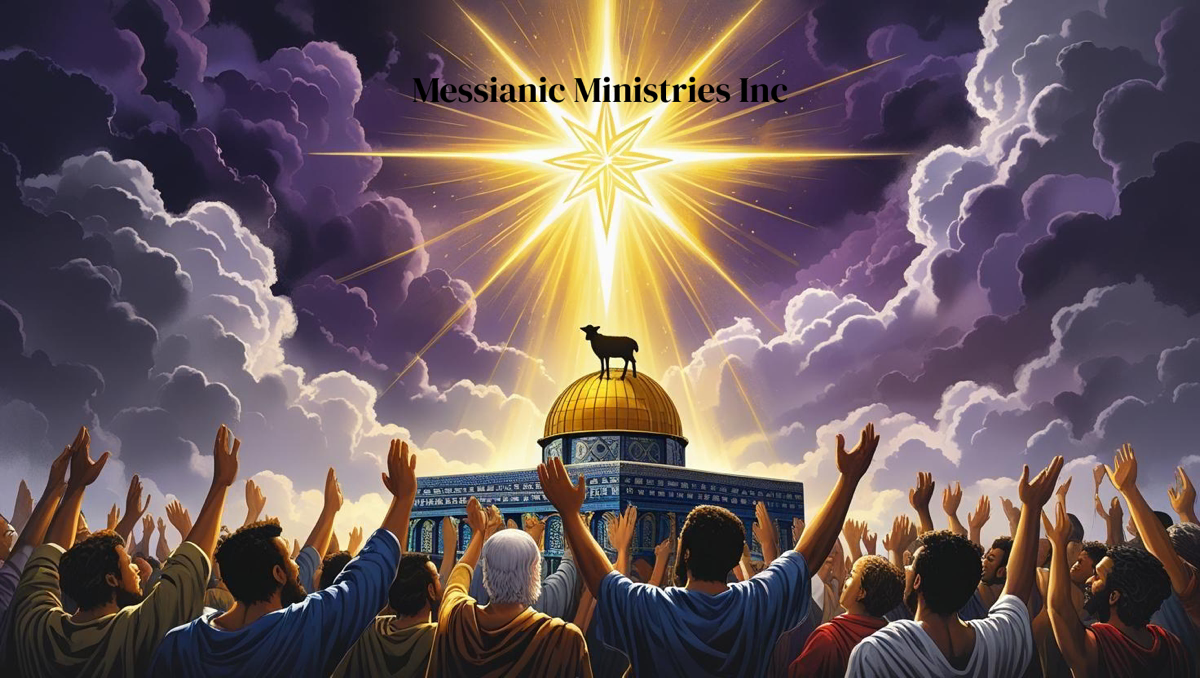
This prophetic proclamation to Mary not only announced the birth of a child but also proclaimed the everlasting reign of the Messiah. Gabriel's statements are not mere poetic embellishments; they are a confirmation of covenant. The "throne of his father David" is not just a symbol of power but also the prophesied Messianic legacy (2 Samuel 7:12–13).
Jesus—Yeshua—was not born into a realm of abstract deity. He descended from the lineage of David, as a legitimate successor. His sovereignty is not solely spiritual. It is Hebraic, Davidic, and eschatological in nature. His dominion over the "house of Jacob" denotes continuity with the patriarchs of Israel and its covenantal history. This is the realization of Isaiah 9:7, wherein the governance rests upon His shoulder, and peace is perpetual.
The expression “of his kingdom there shall be no end” positions Yeshua not merely as Savior, but as Sovereign. In contrast to terrestrial thrones, His sovereignty is neither transmitted, usurped, nor terminated by death. The angel's announcement transcends transient salvation and directly addresses everlasting authority. This represents Messianic destiny, rather than just religious passion.
The house of Jacob, despite being dispersed, remains pivotal in this reign. The covenant established by God with Abraham, Isaac, and Jacob was never abrogated. It is now realized in its entirety through Yeshua, in whom both Jews and Gentiles are unified under one Shepherd (John 10:16). His rule is not solely future; it commenced with His resurrection and will be fulfilled at His return.
The Messiah is the legitimate heir to David's throne—literal rather than metaphorical.
His reign is everlasting, perpetual, and grounded in the covenant history of Israel.
The "house of Jacob" is pivotal to God's redemptive scheme.
Yeshua's Kingship is simultaneously present (via spiritual governance) and future (via physical return).
This promise confirms the irrevocability of the agreements established with Israel.
#Christianity #jesus #christiantiktok #bible #foryou #cogic #cogbf #cog #apostolic #seventhdayadventist #messianicministriesinc #allnations #fgbcf #tiktok