
The Spirit of the Lord Will Come Upon You
1st Samuel 10:5-7
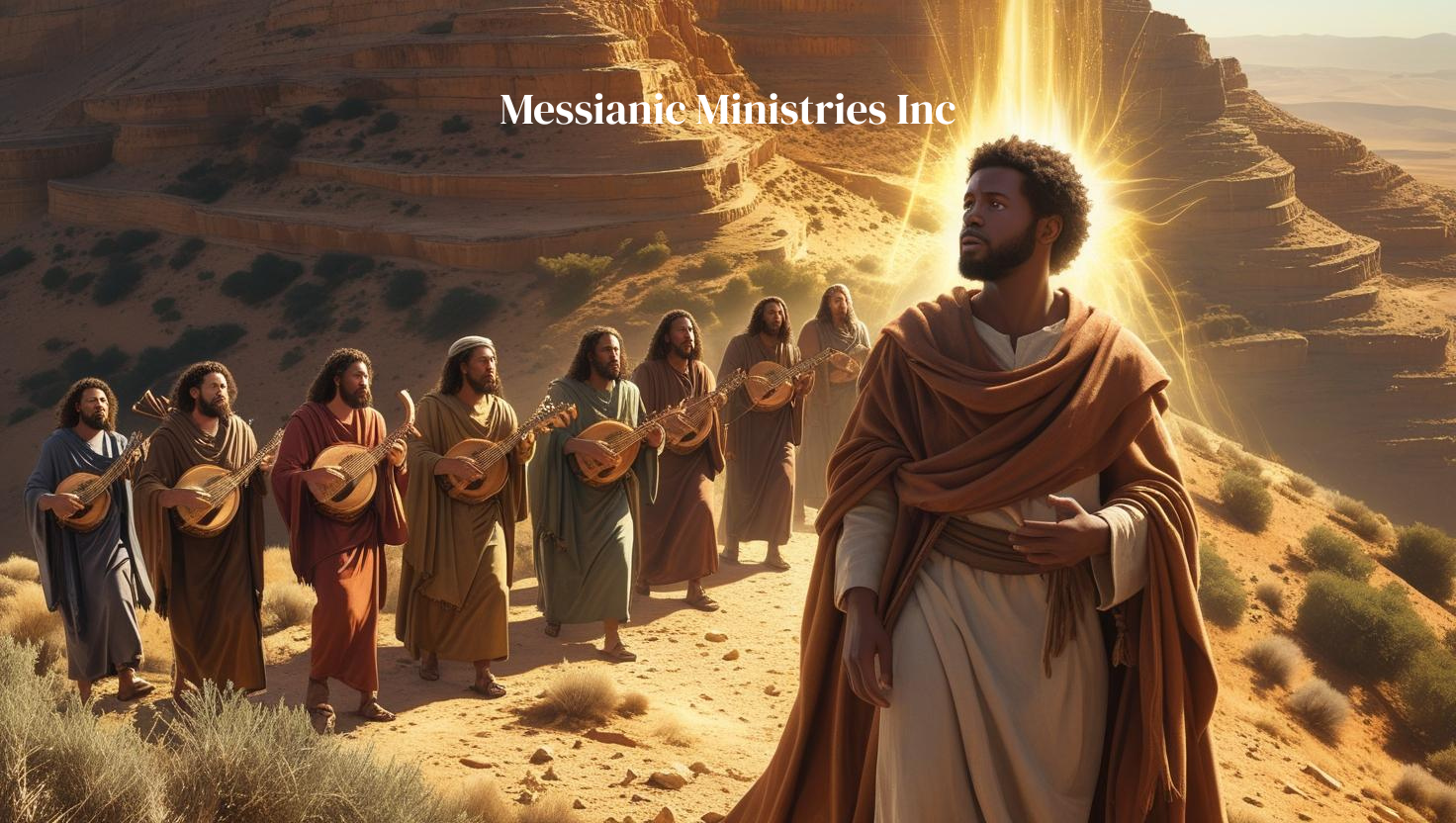
This verse illustrates the significant moment when the Spirit of the LORD descended upon Saul, enabling him to assume his divinely appointed duty. Despite being selected as Israel's inaugural king, Saul lacked the spiritual assurance and inner metamorphosis required for effective leadership. The anointing of oil by Samuel represented his vocation, although it was the effusion of the Spirit that facilitated the realization of his destiny.
Observe the sequence: worshippers and prophets descending with music, establishing an atmosphere in which God's presence was evident. In this prophetic environment, Saul experienced metamorphosis. The Spirit not only augmented his talents but also transformed his fundamental essence. The scripture states, "You shall be transformed into another man." When God summons an individual, He simultaneously equips and transforms them to withstand the demands of that calling.
This moment anticipates the more significant role of the Holy Spirit via Messiah Yeshua in the Messianic context. Similar to Saul's empowerment for kingship, contemporary believers are likewise transformed by the Spirit to fulfill their divine calling. The prophets foretold the Messiah who would baptize not solely with water, but with the Holy Spirit and fire (Matthew 3:11). Through Him, ordinary individuals transform into remarkable vessels, “new creations” (2 Corinthians 5:17), prepared for service in the kingdom.
The instruments possessed by the prophets are not trivial particulars. Worship and prophecy frequently coexist, creating an environment conducive to the Spirit's activity. The harp, psaltery, and pipe signify that genuine transformation emanates from the presence of God, frequently nurtured through worship.
Saul's metamorphosis functions as both an assurance and a cautionary tale. God can strengthen individuals for His purpose; nevertheless, continuous obedience is necessary to maintain His favor. The Messianic promise guarantees that in Yeshua, the Spirit's indwelling presence is enduring, ensuring our transformation and directing us towards faithfulness.
* God summons, yet His Spirit metamorphoses.
* Worship and prophesy prime hearts for sacred experiences.
* The Spirit transforms us into "another man" - a new creature in the Messiah.
* Transformation is not a singular occurrence but an ongoing process of adherence.
The Spirit of the Lord that descended upon Saul is the identical Spirit bestowed upon all who have faith in Yeshua the Messiah. Through Him, we are transformed into "another man," not by strength or force, but by the Spirit of the Living God.
#Christianity #jesus #christiantiktok #bible #foryou #cogic #cogbf #cog #apostolic #seventhdayadventist #messianicministriesinc #allnations #fgbcf #tiktok #bibleverse #prophetic #fght #paw
The Myrrh of His Presence
Song of Solomon 5:5

The Song of Solomon, while frequently seen as an allegory of human affection, possesses significant Messianic profundity. In this excerpt, the Shulamite ascends to unlock the door for her beloved; however, prior to her visual confirmation, his presence is indicated by the myrrh on the door's handles. Myrrh holds profound significance in biblical iconography. It was one of the offerings given to the Christ-child by the Magi (Matthew 2:11), a prophetic symbol of His agony and demise. It was additionally employed in embalming, presaging His interment. Myrrh is a fragrant resin, symbolizing devotion and sacrifice.
The myrrh remaining signifies the Beloved—Christ Himself. Even in the absence of His presence, the remnants of His proximity endure. For the Christian, this refers to instances when the Lord appears elusive, when prayers seem unacknowledged, or when the heavens appear mute. However, if we endeavor to seek Him, we discover that He has left indications of His presence—be it in the Scriptures, in the solace of the Spirit, or in the affirmation of His fidelity.
The lock's knobs symbolize access and welcome. The Beloved approached, knocking (cf. Revelation 3:20), and left in His wake the scent of His affection. The tragedy in the narrative lies in the Shulamite's procrastination in opening; by the time she arose, He had departed. Nevertheless, she is not devoid of consolation; she retains the aroma, a testament to His presence.
This indicates both reassurance and prudence. Comfort arises from the presence of Christ, who manifests Himself in every season—through His Spirit, through communal bonds, and through the sacraments of grace. Exercise caution, since procrastinated compliance may result in the loss of a significant opportunity for engagement. The Messianic promise indicates that Christ, the Bridegroom, perpetually approaches, imparting the myrrh of His presence to those who will awaken and welcome Him.
Myrrh represents Christ's affliction, sacrifice, and aromatic devotion.
The enduring aroma represents the persistent presence of Christ, even when He appears concealed.
A delayed response to Christ’s invitation may result in lost intimacy, yet His presence leaves a lasting testimony.
Christ, the Bridegroom, continues to knock at the doors of our hearts (Revelation 3:20).
The scent of myrrh on the lock signifies that Christ has already approached. We are summoned to ascend promptly, to unveil without reluctance, and to welcome the Beloved who imprints His sacrificial love in every location He visits.
#Christianity #jesus #christiantiktok #bible #foryou #cogic #cogbf #cog #apostolic #seventhdayadventist #messianicministriesinc #allnations #fgbcf #tiktok #bibleverse #prophetic #fght #paw
The Body United in Messiah
1st Corinthians 12:17
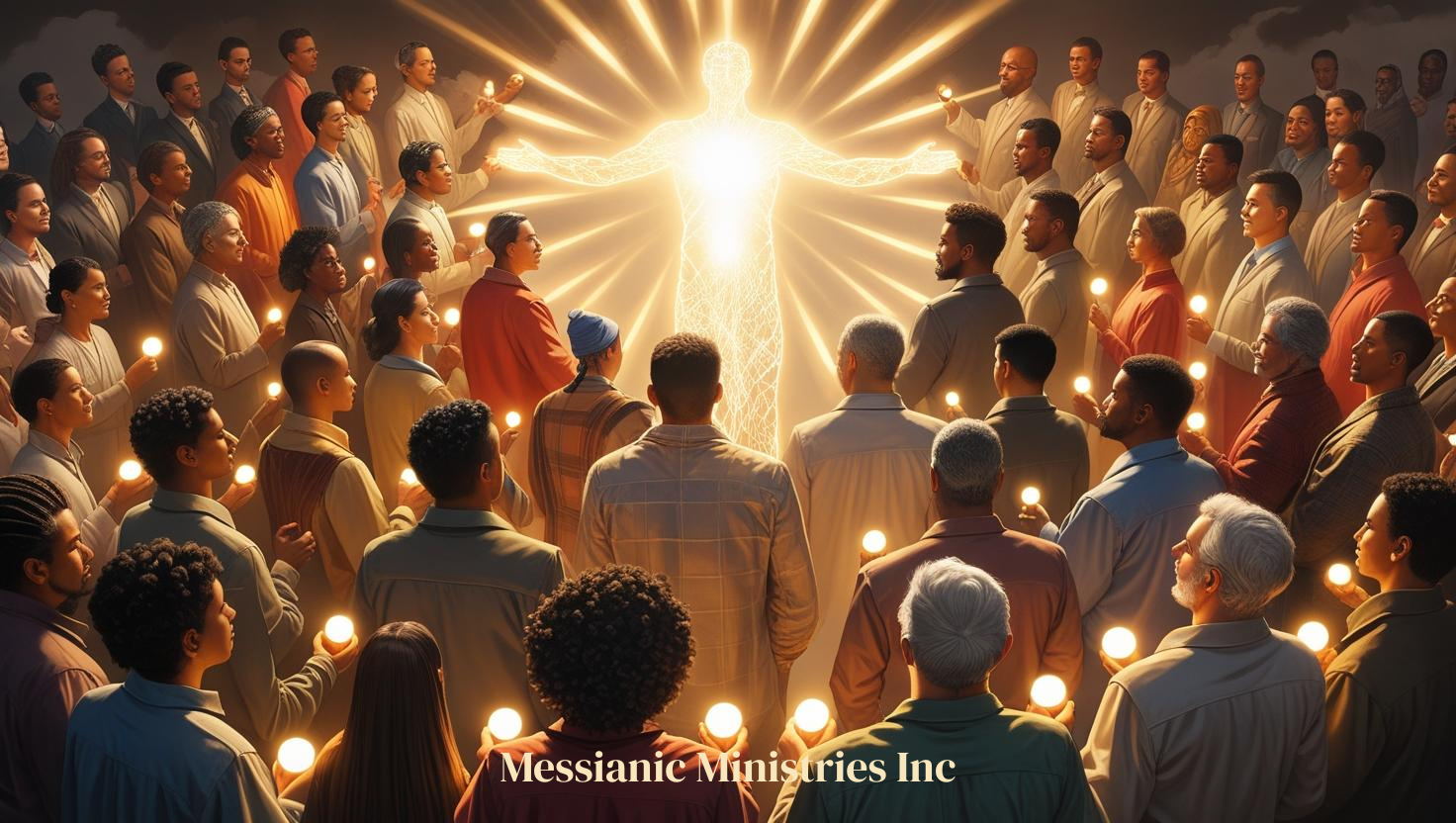
Paul's instruction in 1 Corinthians 12 emphasizes a crucial aspect of the Messianic promise: the unity of God's people in the Messiah is characterized by harmony rather than uniformity. In a society fixated on rank and comparison, Paul employs the metaphor of the body to deconstruct pride and insecurity among believers. The body is a singular entity, comprised of numerous components, each has a distinct purpose vital to the entirety.
“If the entire body were an eye, where would the hearing reside?” Paul's rhetorical inquiry reveals the folly of attempting to homogenize all members. An eye is invaluable; nonetheless, the body remains incomplete without ears or hands. Similarly, the ekklesia—Messiah’s congregation—cannot operate effectively if all individuals strive to fulfill the same duty or prioritize one talent over another.
This reality directly embodies the Messianic purpose of Yeshua. He did not come to create a congregation of uniform persons but a kingdom of priests, each endowed by the Spirit for unique service. As Israel was designated to be a beacon to the nations, the Body of Messiah radiates when each member executes their divinely appointed vocation.
This passage's prophetic dimension addresses the reconciliation of Jews and Gentiles inside the Body of the Messiah (Ephesians 2:14–16). The "eye" cannot disregard the "ear," nor can the Gentile disregard the Jew. Each plays a role in God's salvific plan. The cohesion of varied individuals displays divine wisdom and exemplifies the Messianic promise that all countries shall be benefited through the Messiah.
This passage prompts introspection: Are we valuing the contributions of others, or do we envy their roles? Do we regard our function as trivial merely because it differs from another's? The Spirit endows each member according to the Father's intention (1 Corinthians 12:18). Faithfulness, rather than uniformity, honors the Messiah.
Ultimately, Paul directs us to the Messiah Himself, the Head of the Body. He orchestrates the components, animates them, and guarantees their coherence. As the body is inert without the head, the assembly is devoid of significance without Yeshua. The Messianic promise is realized when each individual acts in love, collaborating as a unified testament to the resurrected Messiah.
The Body of Messiah flourishes in diversity rather than conformity.
Each believer's gift is vital to God's redemptive purpose.
The cohesion of Jew and Gentile inside the Messiah is fundamental to the Messianic promise.
The Messiah, as the Head, governs and imparts vitality to the Body.
The Messianic promise invites us into a singular Body, including numerous members, with one Head—Messiah Yeshua. By embracing our distinct roles and valuing the contributions of others, the world perceives the harmony of God's Spirit and the completeness of His salvation.
#Christianity #jesus #christiantiktok #bible #foryou #cogic #cogbf #cog #apostolic #seventhdayadventist #messianicministriesinc #allnations #fgbcf #tiktok #bibleverse #prophetic #fght #paw
The Shepherd Who Seeks and Saves
Ezekiel 34:11-16

Ezekiel 34 addresses a period of significant leadership failure in Israel, characterized by shepherds who prioritize their own interests over that of the sheep, resulting in dispersion, starvation, and dread. The LORD proclaims that He will emerge as the authentic Shepherd, pursuing the lost, uniting the dispersed, and compassionately restoring them.
This prophecy profoundly aligns with the figure of Jesus Christ. He is the foretold Shepherd who represents divine pursuit, redemption, and restoration (see to John 10:11, “I am the good shepherd: the good shepherd giveth his life for the sheep”). The vivid depiction of the flock requiring care during "cloudy and dark days" reflects humanity's spiritual disarray—fragmented, dispersed, and yearning for sustenance and guidance.
Ezekiel's vision transcends the mere physical rebuilding of Israel. It prophetically indicates the Messiah's mission: to redeem the broken, heal the afflicted, empower the weak, and guide His flock to abundant pastures. This is not only a rescue; it is the creation of a secure, flourishing environment under the Shepherd's vigilant oversight.
This chapter serves as both solace and mandate for contemporary believers. It guarantees that the Messiah actively pursues each of His dispersed sheep—none are excluded from the reach of His salvific love. It urges us to embody His loving shepherding in our daily lives: seeking the disheartened, mending the broken-hearted, and guiding others to the safety and sustenance found in Christ.
God Himself assumes the role of Shepherd, rather than a representative (Ezekiel 34:11).
The Messiah proactively searches for the lost and dispersed, rather than passively awaiting their return (v. 12).
Restoration encompasses both liberation and thriving under His guidance (vv. 13–15).
The Shepherd's restoration is comprehensive: uniting, fortifying, and nourishing (v. 16).
The LORD does not delegate the role of shepherd; He personally enters the field to seek, rescue, and restore the defenseless. In Messiah Jesus, we acknowledge the ideal Shepherd who unites His followers, restores their afflictions, and guides them towards prosperity. May we discover solace under His guardianship and evolve into empathetic stewards in His vineyard.
#Christianity #jesus #christiantiktok #bible #foryou #cogic #cogbf #cog #apostolic #seventhdayadventist #messianicministriesinc #allnations #fgbcf #tiktok #bibleverse #prophetic #fght #paw
The Cornerstone of Redemption
Isaiah 28:16
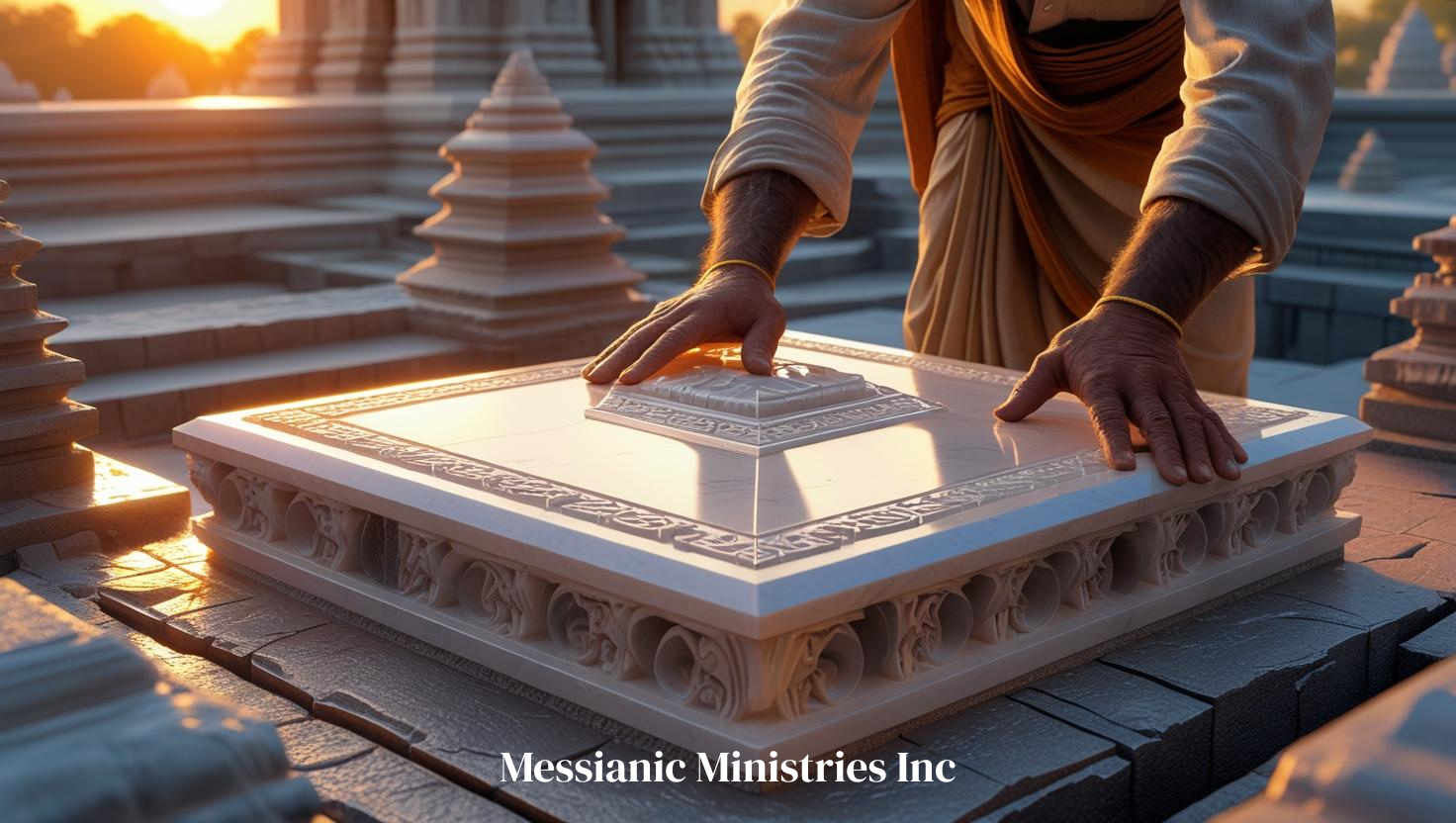
In Isaiah 28:16, the Lord declares the creation of a “tested stone” and “precious cornerstone” in Zion—a fundamental element that guarantees the alignment and integrity of the edifice constructed upon it. This symbol represents both divine authority and covenantal loyalty. The cornerstone is not only decorative; it supports weight, establishes orientation, and unifies other components. This indicates that God is establishing the foundation of His redeeming endeavor.
Matthew and Acts emphasize Jesus as the crucial Stone—“the stone the builders rejected,” now elevated as the fundamental foundation for God’s presence and purpose among humanity. The repudiation and subsequent elevation of Christ reflect the path of the Servant-Messiah, ending in glorification via resurrection, ascension, and indwelling presence.
For the Christian, Christ as the Cornerstone signifies that our faith is rooted in divine promise, subjected to trials, refined, and ultimately resilient. We are urged to harmonize our views, activities, and identities with Him, so discovering security and perspective regardless of the fluctuating circumstances surrounding us. St. Augustine once reflected, “Make me a stone to construct the dwelling of Your Church.” O Solid Rock, O Foundation, eternally steadfast.
* Divine Foundation: Jesus serves as God's supernatural foundation—selected, validated, and invaluable (Isaiah 28:16).
* Satisfaction in Rejection and Elevation: The individual dismissed by humanity is designated as God's chosen cornerstone (Matthew 21:42; Acts 4:11).
* Security in Christ: Adherents grounded in this Foundation will not waver or falter.
* Alignment: Our life's trajectory, purpose, and identity must correspond with Christ as the ultimate foundation.
Contemplate Christ, the Cornerstone established by God, and allow your heart to find solace in His unwavering nature. In a realm of fluctuating circumstances and unpredictable loyalties, Jesus serves as your steadfast, safe, and life-sustaining foundation. Ground yourself in Him—have faith, conform, and persevere.
#Christianity #jesus #christiantiktok #bible #foryou #cogic #cogbf #cog #apostolic #seventhdayadventist #messianicministriesinc #allnations #fgbcf #tiktok #bibleverse #prophetic #fght #paw
The Shepherd Who Gathers the Scattered
Jeremiah 31:8
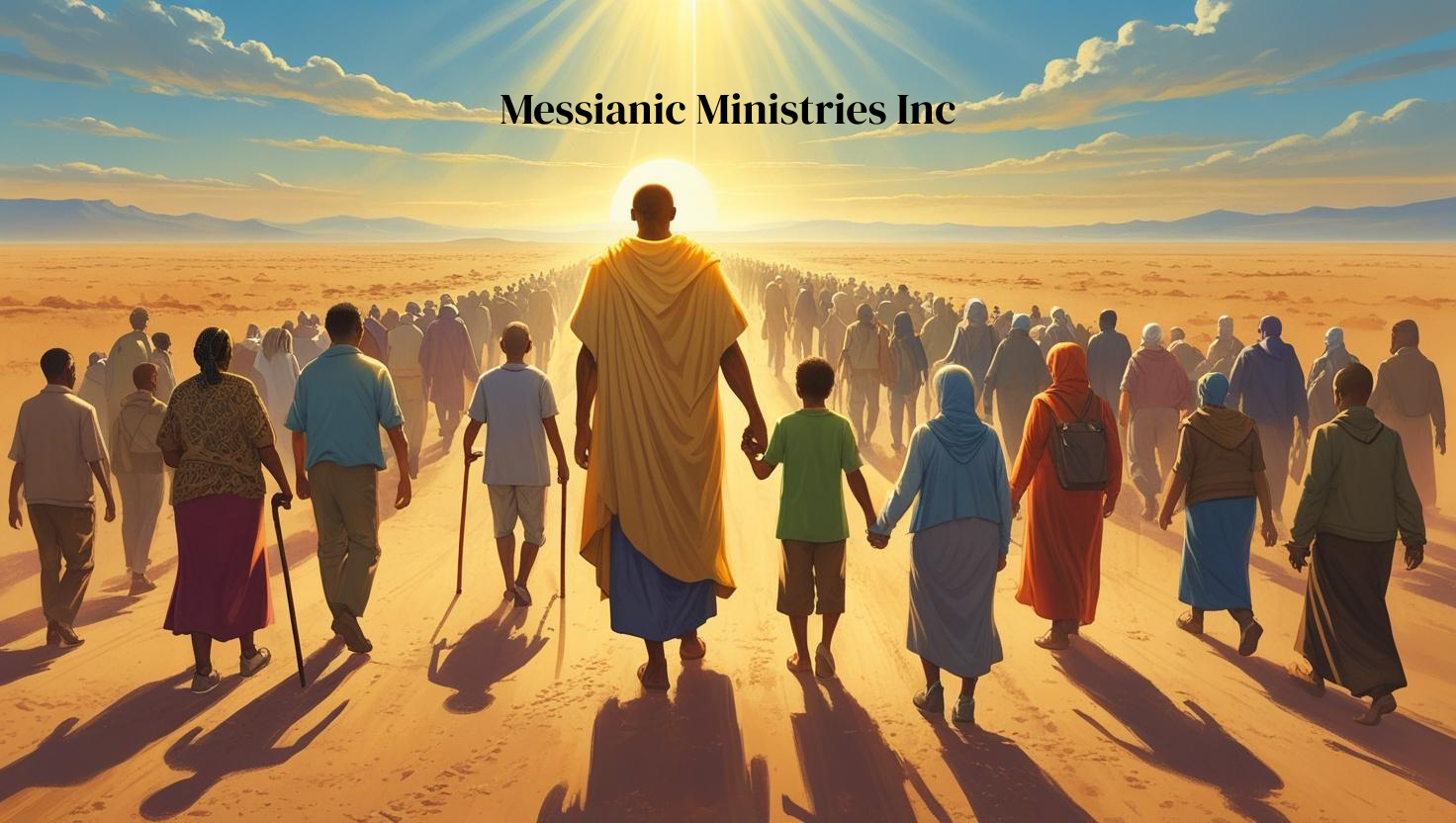
Jeremiah's prophetic declarations direct us to one of God's most compassionate and potent promises: the reassembly of His people. These words were articulated to Israel during its exile, a period characterized by dispersion and dislocation. However, they extend beyond Babylon's captivity to a more profound realization in the Messianic expectation.
Christ, the Benevolent Shepherd, exemplifies this assurance. He arrived not solely to liberate Israel from dispersion but to unite the nations into a singular fold (John 10:16). Observe the inclusivity in Jeremiah's vision: the blind, the lame, pregnant women, and those in childbirth. No one is left behind. The Messianic promise is not exclusive to the powerful or the affluent but encompasses the weak, the vulnerable, and the overlooked. This character embodies the Kingdom—compassion for the underprivileged and healing for the damaged.
The imagery of gathering profoundly aligns with the mission of Yeshua. He traversed among the blind and restored their sight. He elevated the disabled, healed lepers, and honored women at all stages of life. His ministry actualized Jeremiah’s vision by representing a God who inclusively collects rather than excludes.
This prophetic promise serves as a reminder of Christ's continual work for us now. Spiritually, He persistently unites the dispersed from diverse cultures, backgrounds, and circumstances. His Kingdom constitutes a significant assembly of the redeemed, bound not by status or capability but by grace.
It also prompts us to consider: do we align with the Shepherd's heart? Are we prepared to accept the vulnerable, to accompany the sluggish with patience, and to accommodate those frequently disregarded by society? The Messianic promise not only provides solace but also mandates us to act as gatherers rather than scatterers, embodying the Shepherd’s encompassing love.
This prophecy ultimately signifies the forthcoming regathering upon Christ's return. All exiles will conclude, every dispersed individual will be reinstated, and the people of God—restored—will journey collectively into eternal bliss.
God's assurance is to reunite the dispersed, rather than forsake them.
The Messianic mission encompasses the weak, the defenseless, and the neglected.
Christ is the Good Shepherd who actualizes this promise by uniting Jews and Gentiles into a single flock.
Believers are urged to embody His compassion by embracing and accompanying people frequently marginalized.
The final fulfillment will occur with Christ’s return, marking the conclusion of every exile.
The Messianic promise guarantees that all individuals are within the Shepherd’s reach. He unites the dispersed, mends the fractured, and rejuvenates the fatigued into a one redeemed family. Let us follow His example, inviting all into the fold of His Kingdom.
#Christianity #jesus #christiantiktok #bible #foryou #cogic #cogbf #cog #apostolic #seventhdayadventist #messianicministriesinc #allnations #fgbcf #tiktok #bibleverse #prophetic #fght #paw
The Eternal Branch from the Stump of Jesse
Isaiah 11:1-2
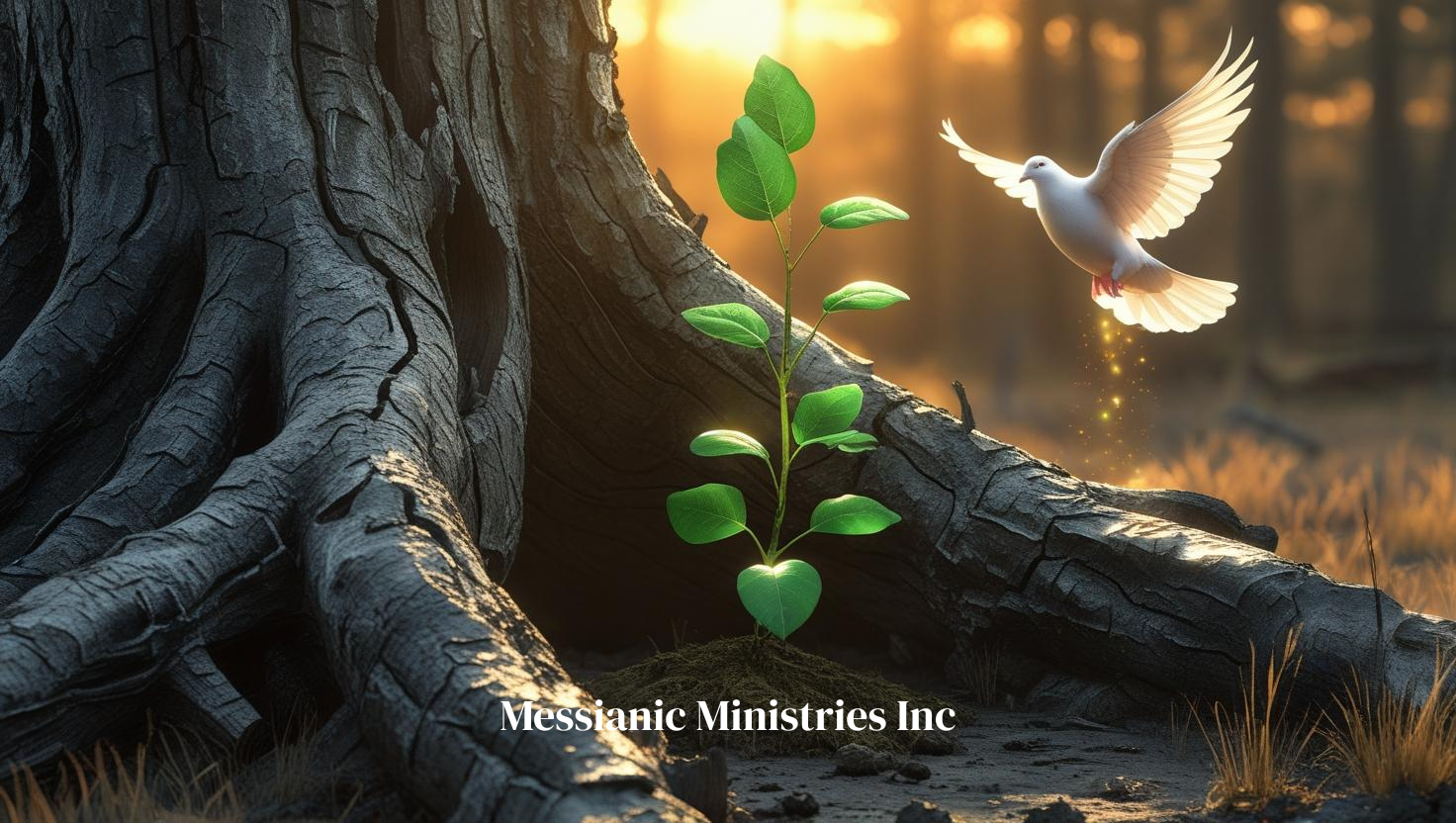
Isaiah 11 emerges from the prophetic discourse during a period when Israel's royal lineage appeared fractured, optimism waned, and the promise of David's reign was precariously maintained. The "stump of Jesse" signifies the downfall of that dynasty; nonetheless, from its fragments, God assures revitalization. This symbol illustrates both judgment and grace: although the dynasty may have faltered, the foundation remains intact, and God will bring forth the Messiah from that modest origin.
The term “Branch” (Hebrew: netzer) possesses Messianic significance—Matthew subsequently associates it with the virgin-born figure (in relation to Nazareth), although in this context, it underscores spiritual vigor emerging from what appears lifeless. The arrangement of the Spirit's sevenfold outpouring—wisdom, insight, counsel, might, knowledge, and fear of the Lord—constitutes not merely a noble attribute but the fundamental essence of divine character imparted to the forthcoming Messiah.
In the New Testament, early adherents acknowledged this as realized in Christ, although it is not directly referenced, the typology is evident. Jesus embodied heavenly wisdom, provided authoritative guidance, and exhibited authority moderated by knowledge and profound reverence. His life exemplified a profound fullness of Spirit.
This Scripture encourages us to find solace in the certainty that God excels in redemption and restoration, even in seemingly dire situations. He can generate vitality in seemingly desolate circumstances. It also encourages us to embrace the same Spirit of wisdom, discernment, and counsel, to navigate the equilibrium of strength and humility, guided by reverence for God.
Jesus is the Branch, as the Messiah. His birth, life, and ministry exemplify the realization of Isaiah’s vision: divine authority grounded in humility, invigorated by the Spirit, and entirely aligned with the Father’s will.
The Messiah arises from the "stump" of David's lineage—God revitalizes and redeems what appears to be lifeless.
The "Branch" represents regeneration, hope, and Messianic continuity.
The sevenfold Spirit depicts the completeness of divine anointing—equilibrium of truth, power, and reverence.
Jesus exemplifies this completely: the Spirit abides in Him, enabling His purpose.
Our devotional response: foster that same Spirit in our daily existence—pursuing wisdom, divine guidance, and profound understanding.
God's messianic promise is founded on renewal—He generates life from dead and instills a seed of hope among desolation. Through the Messiah, the Spirit bestows upon us heavenly wisdom, strength, and profound insight. May we receive that Spirit, yield fruit in our generation, and live as authentic disciples of the Branch.
#Christianity #jesus #christiantiktok #bible #foryou #cogic #cogbf #cog #apostolic #seventhdayadventist #messianicministriesinc #allnations #fgbcf #tiktok #bibleverse #prophetic #fght #paw
The Rejected Stone, the Chosen Foundation
Psalms 118:22-23
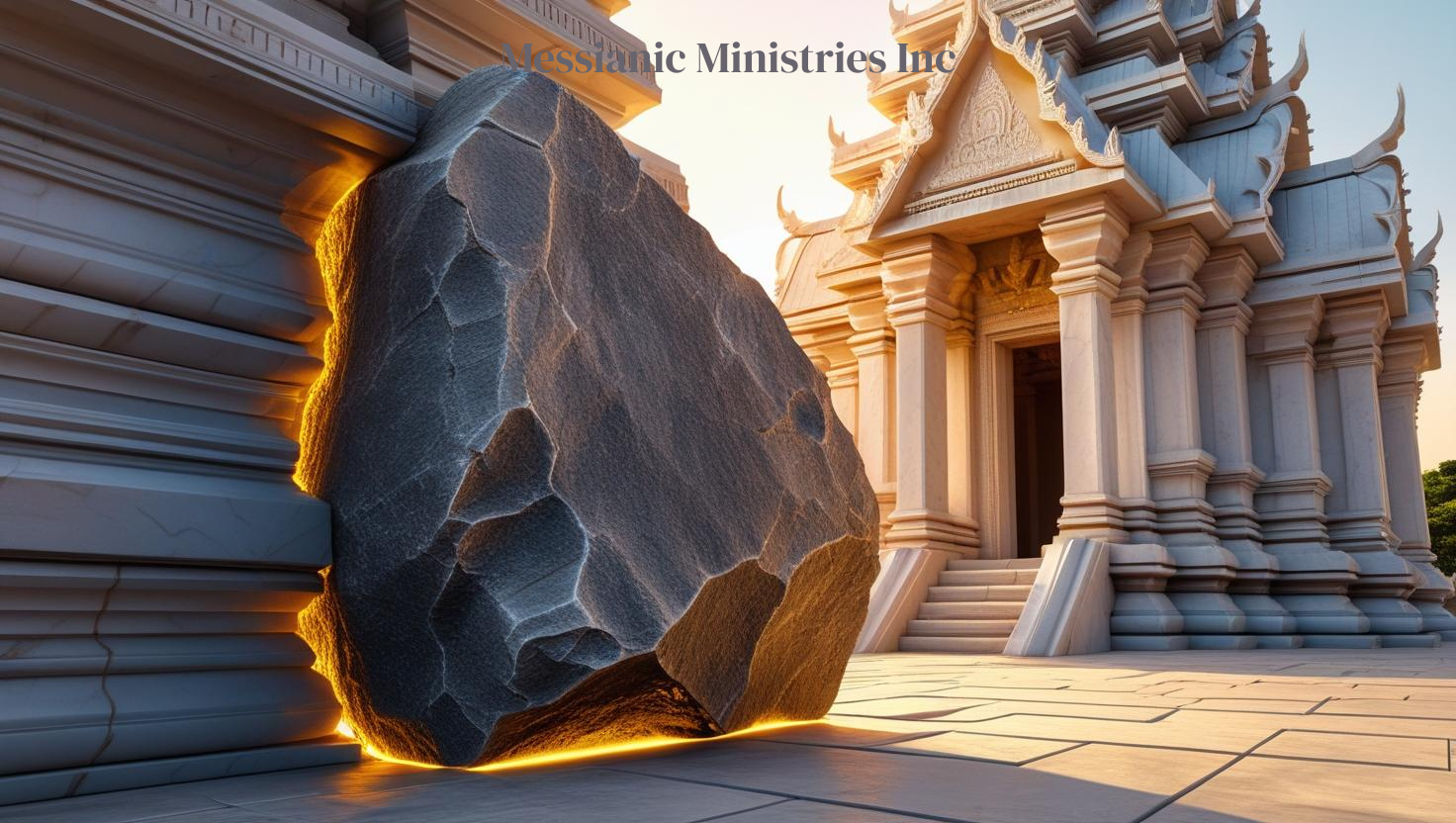
The psalmist proclaims a prophetic enigma: the stone before dismissed has emerged as the cornerstone of God’s everlasting design. This artwork, both simple and profound, directly alludes to the Messiah. In the perception of Israel's leaders, Yeshua of Nazareth did not conform to their anticipations. He was not the aggressive conqueror they desired, but the modest Servant, scorned and repudiated by humanity. In God's perfect plan, the one they rejected became the crucial basis of redemption.
Peter and John cited this text before the Sanhedrin to demonstrate that Jesus is the cornerstone (Acts 4:11). The leaders had certainly rejected Him, surrendering Him to death. However, God resurrected Him, elevating Him as the cornerstone of salvation. The apostle Paul affirms this point, stating that no basis can be established other than that which is established, namely Christ Jesus (1 Corinthians 3:11).
This prophetic statement is "extraordinary in our perception." It attests that divine intentions are not impeded by human repudiation. What humanity rejects, the divine restores. What the world abhors, the Father elevates. The crucified Messiah is now the resurrected cornerstone of a vibrant temple — His followers. As living stones, we are constructed into a spiritual edifice, established in Him (1 Peter 2:5–7).
This verse serves as both solace and adversity for us. We find solace in the knowledge that, despite potential rejection for our beliefs, we are united with the One who was both rejected and ultimately glorified. Challenge, as our life must conform to the fundamental principle. Each stone in a construction derives its form and placement from the cornerstone; similarly, every believer must seek their alignment in the Messiah. His existence serves as our standard, His Spirit as our mentor, His Word as our benchmark.
The Messianic promise articulated here pertains not merely to restoration but to reversal. God elevates the rejected to prominence and transforms the despised into something magnificent. In Messiah, what was previously disregarded becomes crucial.
The cornerstone symbolizes the Messiah, dismissed by humanity yet selected by God.
Divine intentions remain unimpeded by human repudiation.
Believers are living stones, connected with Christ, the foundational cornerstone.
Rejection frequently precedes heavenly elevation.
The Messiah embodies the prophetic symbolism of Psalm 118 through His suffering and splendor. The previously rejected cornerstone has now become our reliable foundation. Let us construct our lives upon Him, astonished that the Lord has transformed the rejected Stone into the magnificent cornerstone of His everlasting edifice.
#Christianity #jesus #christiantiktok #bible #foryou #cogic #cogbf #cog #apostolic #seventhdayadventist #messianicministriesinc #allnations #fgbcf #tiktok #bibleverse #prophetic #fght #paw
The Shepherd Who Lays Down His Life
St John 10:11
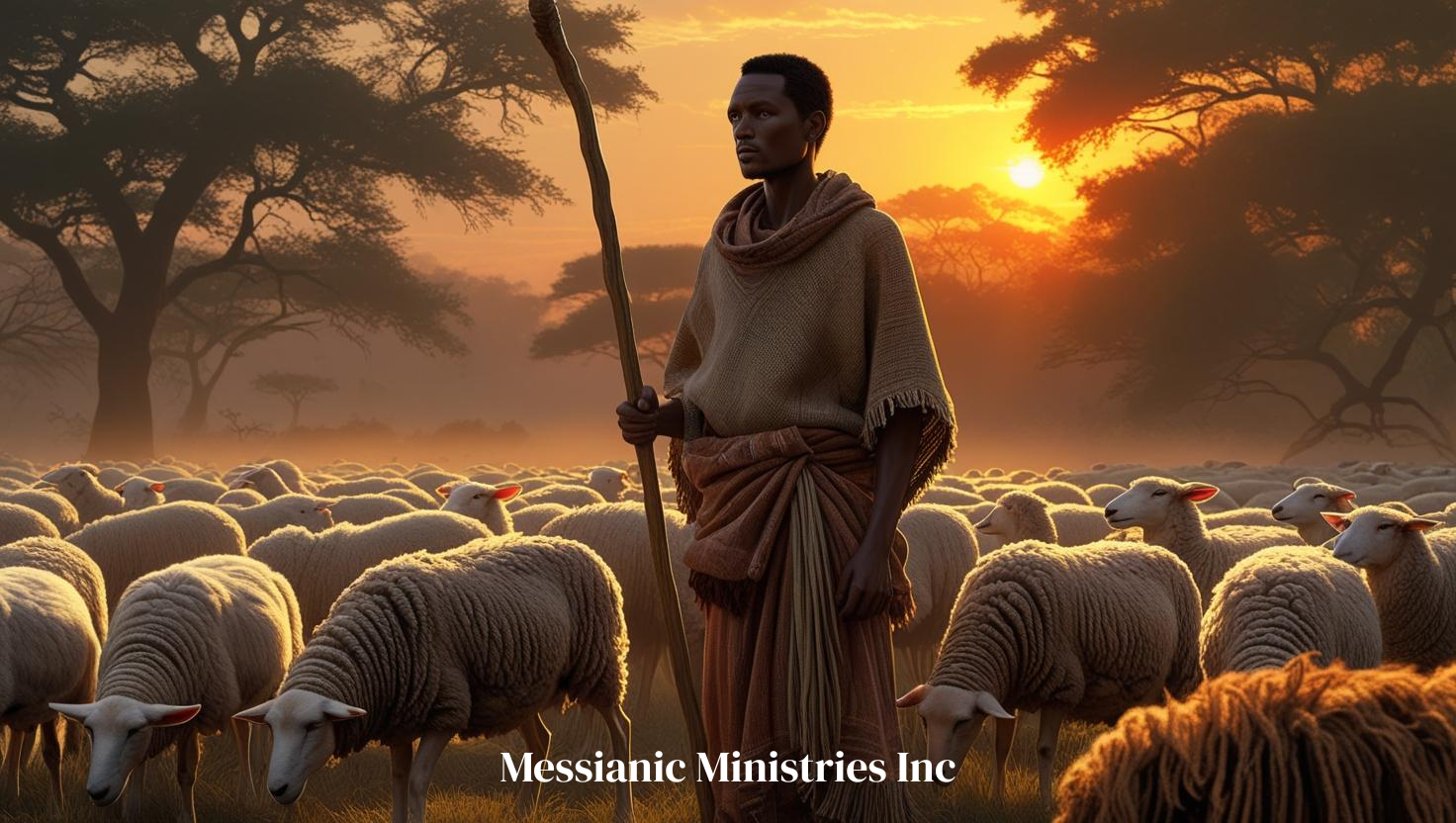
Jesus proclaims Himself as the Good Shepherd, a declaration imbued with Messianic significance and covenantal symbolism. Shepherding was intricately interwoven throughout Israel's history; from Abraham and Jacob to Moses and David, God continuously appointed shepherds to guide His people. In this context, Jesus transcends earthly analogies; He is not only a shepherd who protects and directs, but the One who sacrifices His life for the sheep.
This proclamation discloses both prophetic identity and sacrificial purpose. The Messiah was prophesied as the Shepherd-King who will assemble God's dispersed sheep (Ezekiel 34:23). Israel yearned for a protector who would compassionately nurture them while safeguarding them from the predations of sin, death, and oppression. This hope is fully realized in Christ. His care is non-transactional, and His protection is unconditional. He does not use Himself for remuneration like a mercenary; rather, He wholly dedicates Himself—even unto death—for the sake of His flock.
The Gospel demonstrates that the Messiah's love is not a passive attitude, but an active sacrifice. His death was not the lamentable conclusion of a virtuous existence but the deliberate sacrifice of Himself to redeem His followers. The Messianic promise of atonement is illuminated in this truth. The Good Shepherd did not forsake His sheep to face judgment but instead endured judgment on their behalf.
This chapter illustrates the closeness of the Messiah's relationship with His people. In the ancient Near East, shepherds frequently recognized their sheep by name, addressing them individually. Similarly, Jesus recognizes us intimately, not as an anonymous congregation, but as cherished individuals. His sacrifice was tangible; it was for you, for me, for those who heed His words and follow.
As adherents, we are invited not merely to repose under His guardianship but to embody His shepherding affection in our own lives—nurturing others, interceding for the lost, and advocating for truth, even at personal sacrifice.
* Jesus as the realization of Ezekiel’s prophecy regarding the Shepherd-King.
* The differentiation between the hireling and the genuine Shepherd.
* The sacrificial love of the Messiah as the cornerstone of redemption.
* Personal intimacy: He recognizes His sheep individually. * The exhortation for believers to reflect His shepherding essence.
The Good Shepherd is neither remote nor apathetic—He is the Messiah who sacrificed His life for His flock. In Him, we discover both everlasting security and unwavering affection. To follow Him is to walk under the guidance of One who not only leads but sacrifices His life, ensuring our eternal redemption.
#Christianity #jesus #christiantiktok #bible #foryou #cogic #cogbf #cog #apostolic #seventhdayadventist #messianicministriesinc #allnations #fgbcf #tiktok #bibleverse #prophetic #fght #paw
The Humble Servant, Sovereign King
Isaiah 9:6
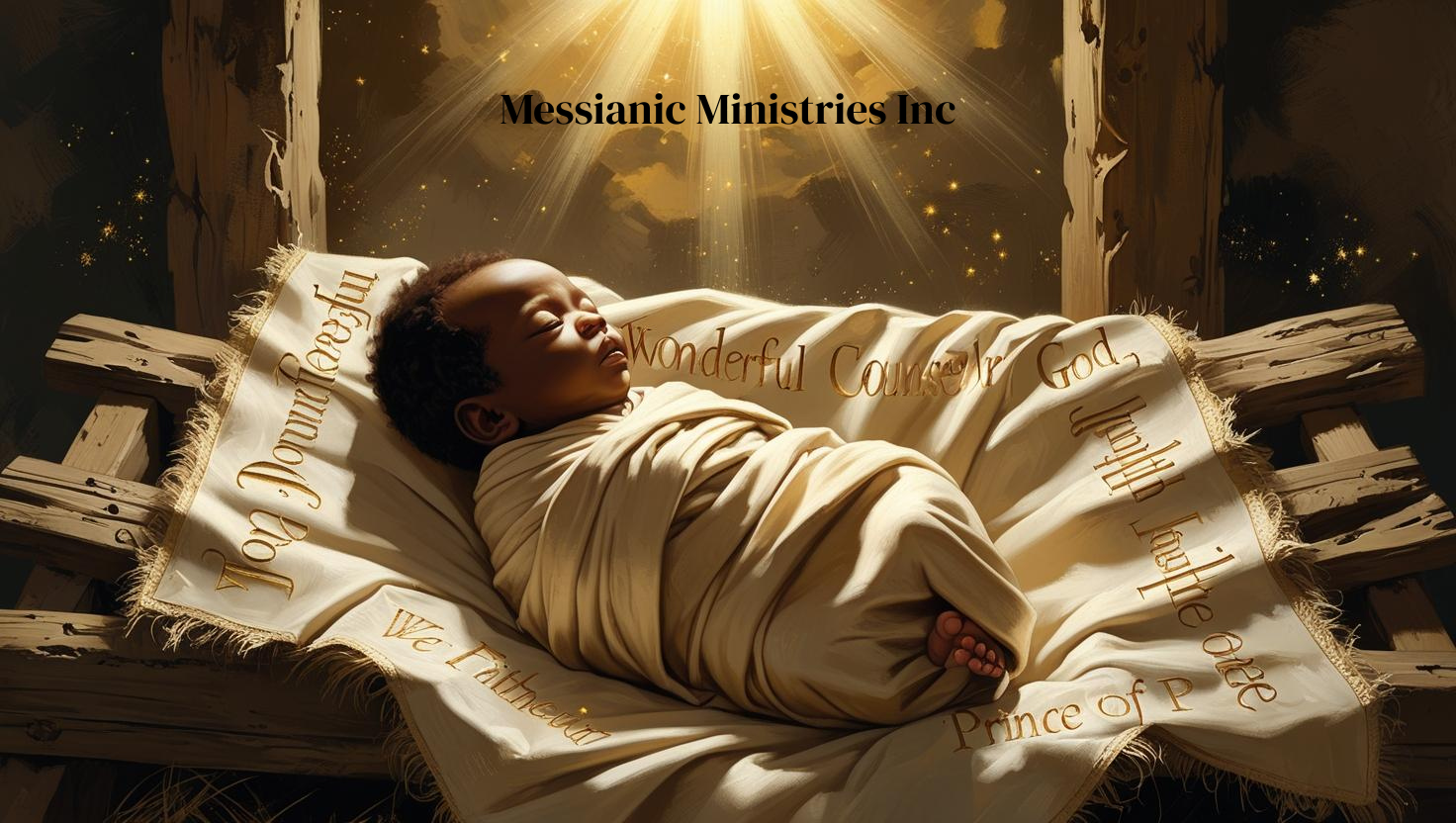
The prophecy in Isaiah 9:6 stands out as a brilliant element in the framework of Messianic anticipation. Conceived amid political upheaval, this passage not only predicts the birth of a child but also asserts His divine nature and everlasting sovereignty. Upon initial observation, the image is delicate: an infant. Embedded inside are titles that reveal his grandeur: Wonderful Counselor, a provider of exceptional wisdom; Mighty God, entirely divine; Everlasting Father, a source of infinite love; Prince of Peace, the bestower of genuine tranquility.
This prophetic narrative embodies the enigma of the Incarnation. In His humanity, He is the infant; in His divinity, He is the "Mighty God," reflecting Micah 5:2 and emphasizing His extraordinary origin. The contrast between vulnerable infancy and heavenly fatherhood invites us to contemplate the paradox of a monarch in swaddling garments.
This verse connects Messianic anticipation with actualized fulfillment. Early Christians, particularly in the Gospel of Luke, perceived Jesus' birth as the realization of this promise. The angels declared "peace on earth" (Luke 2:14), and the governance of His kingdom would be borne upon His shoulders (cf. Luke 1:32–33).
This prophecy confirms for the believer that the Messiah's identity fulfills our profound desires: He leads with divine knowledge, possesses the ability to save, nurtures with eternal love, and rules in peace. In contrast to any terrestrial sovereign, His governance is equitable, His advice impeccable, and His tranquility revolutionary.
Contemplate this: In what manner am I perceiving “Wonderful Counselor” in my life decisions? In which areas do I require the restorative tranquility that only He can provide? In what manner does the concept of the "Everlasting Father" influence my confidence in His provision?
The newborn is the incarnate Messiah—all human and entirely divine.
Every Messianic title elucidates an aspect of His character and purpose.
The prophesy connects the anticipations of the Old Testament with the realizations of the New Testament (e.g., Luke 2).
His dominion embodies wisdom, authority, paternal compassion, and peace unmatched by terrestrial sovereigns.
In the crib rests the King—"Wonderful Counselor, Mighty God, Everlasting Father, Prince of Peace." May this vision today immerse you in the enigma of His being and enhance your confidence in His sovereignty.
#Christianity #jesus #christiantiktok #bible #foryou #cogic #cogbf #cog #apostolic #seventhdayadventist #messianicministriesinc #allnations #fgbcf #tiktok #bibleverse #prophetic #fght #paw
The Greater Temple
St John 2:19
While in the precincts of Herod's Temple, amidst officials who esteemed its architecture, Jesus proclaimed, "Dismantle this temple, and in three days I shall restore it." His statements bewildered His audience, since they could not conceive of a temple surpassing the magnificence before them. Christ identified Himself as the authentic abode of God among humanity.
The temple consistently served as a shadow, a prescient edifice indicating future events. Within its confines, sacrifices were made daily, blood was perpetually spilled, and the curtain maintained a separation between humanity and the divine presence of God. In Christ, all shadows encountered their essence. His body transformed became the sanctuary, His blood the supreme offering, His resurrection the revelation of everlasting admittance.
This declaration pertains not only to His death and resurrection but also to the imperishable life He has. The terrestrial temple could be dismantled stone by stone, as it ultimately did in 70 A.D., yet the resurrected Messiah remains the eternal sanctuary. In Him, we are no longer required to visit a certain geographic spot to encounter God—He is Emmanuel, God with us.
Contemporary believers perceive the temple imagery as realized not solely in Christ but also in His Body, the Church. Paul admonishes, “Do you not know that you are the temple of God, and that the Spirit of God resides within you?” 1 Corinthians 3:16. The same resurrection force that resurrected Jesus on the third day now resides within His followers, transforming us into living stones in His everlasting abode.
Consequently, every endeavor by the adversary to obliterate what God is constructing merely serves as a platform for His resurrection glory. As death was unable to confine Him, destruction cannot impede His objective. In Him, each believer embodies a living testament to God's indwelling presence.
Jesus represents the ultimate Temple, realizing the archetype of the Old Covenant.
His resurrection demonstrates the imperishability of God's presence among humanity.
Believers, as the Body of Christ, are now living sanctuaries of the Holy Spirit.
The adversary's efforts to obliterate God's creation merely amplify His resurrection power.
The Messiah is the everlasting Temple, exalted in glory on the third day, and through Him, we become the abode of God. Let us exist with reverence, assurance, and joy, recognizing that His indomitable life is within us eternally.
#Christianity #jesus #christiantiktok #bible #foryou #cogic #cogbf #cog #apostolic #seventhdayadventist #messianicministriesinc #allnations #fgbcf #tiktok #bibleverse #prophetic #fght #paw
The Covenant Confirmed in the Blood of the Messiah
Zechariah 9:11
Zechariah’s prophetic assertion in this verse penetrates the essence of the Messianic promise: salvation via the blood of the covenant. In the ancient Near Eastern context, covenants were ratified with blood, symbolizing an unbreakable commitment. The Lord addresses His people directly, informing them that due to the blood of their covenant, they are liberated from the "pit devoid of water," a stark representation of desolate captivity.
The "pit" transcends mere metaphor for confinement; it evokes the ancient cisterns—profound, shadowy, and frequently utilized for detaining captives. Jeremiah was himself thrown into a pit (Jer. 38:6). In the Messianic context, this imagery signifies the spiritual enslavement and demise into which humanity has descended due to sin. The lack of water in the pit is critical—there is no life, no nourishment, and no prospects. In the absence of supernatural intervention, it is a locale of inevitable demise.
The assurance of salvation is granted through the blood of your covenant. This would evoke the blood showered at Sinai (Ex. 24:8), where Moses said, “Behold the blood of the covenant.” This prophecy extends beyond Sinai to the superior covenant, validated not by the blood of animals, but by the invaluable blood of the Messiah (Luke 22:20; Heb. 9:11–15). The new covenant, confirmed by His blood, would not only restore Israel but also grant liberation to everyone who place their faith in Him.
The blood of the Messiah not only nullifies a sentence but also metamorphoses identity. The captives are not only freed; they are summoned into a covenant relationship. This exemplifies the profound grace of God: He not only liberates us from despair; He incorporates us into His family as sons and daughters (Gal. 4:4–7).
Today, the Spirit continues to urge us to embrace the freedom acquired at a significant expense. Numerous believers, although being forgiven, remain ensnared in the depths of despair, constrained by fear, shame, or skepticism. Zechariah’s prophecy compels us to embrace the light, emphasizing that the covenant relies not on our merit but on His unwavering promise ratified in blood.
The "pit devoid of water" represents spiritual demise and despairing confinement.
The covenant's blood serves as the foundation for salvation—realized in the Messiah's sacrifice.
Redemption signifies liberation from captivity and reinstatement in communion with God.
The covenant is unalterable as it is founded on God's fidelity, rather than human endeavor.
Through the blood of the covenant, the Messiah has broken the bonds of the abyss and summoned us into His eternal Kingdom. Live today as one who is both redeemed and rejuvenated, for the covenant is eternally sealed in His blood.
#Christianity #jesus #christiantiktok #bible #foryou #cogic #cogbf #cog #apostolic #seventhdayadventist #messianicministriesinc #allnations #fgbcf #tiktok #bibleverse #prophetic #fght #paw
The King Who Brings Peace
Zechariah 9:9

Zechariah 9:9 is a definitive prophetic depiction of the Messiah's initial arrival. It calls upon Zion to exult—not in the advent of a military conqueror exercising governmental authority, but in a virtuous King who exemplifies humility and redemption. The event would subsequently transpire in precise detail when Yeshua entered Jerusalem during Passover week (Matthew 21:4–5), intentionally fulfilling this ancient prophecy.
The contradiction is notable. Ancient monarchs made ostentatious entrances on warhorses, emblems of victory and supremacy. However, the anticipated King arrives "humble, and mounted on a donkey"—a symbol of peace and reconciliation. His justice is not imposed by force but established by His self-sacrifice as the paramount atonement for sin. Thus, His triumph would not be against Rome, but over death itself.
This prophesy also alludes to the characteristics of the Kingdom He establishes. It is founded not on coercion but on transformation. Whereas terrestrial authorities endeavor to amend legislation to govern emotions, the Messianic Sovereign transforms hearts to actualize divine law. The salvation He offers transcends mere political liberation for Israel; it encompasses eternal redemption for all who invoke His name—both Jew and Gentile.
For contemporary believers, Zechariah's words provide both solace and provocation. Consolation arises from the fact that the One we serve is not an aloof sovereign, but a compassionate King who draws close. The challenge arises from His humility, which exemplifies the manner in which His disciples should live and lead—through service rather than self-aggrandizement; in tranquility rather than the pursuit of supremacy.
We are summoned to exult profoundly in His arrival, while simultaneously readying ourselves for His return, when the same Sovereign will come again—not on a donkey, but on a white horse (Revelation 19:11), delivering ultimate justice and eternal peace.
Zechariah 9:9 explicitly predicts the Messiah's triumphant entry into Jerusalem.
The King's humility is fundamental to His salvific mission.
His Kingdom is founded on transformation rather than coercion.
Adherents are summoned to embody His humility in anticipation of His return.
The Messianic King arrives not to conquer but to liberate, approaching with humility while possessing the authority to redeem—His initial arrival bestowed tranquility upon the soul, and His subsequent return will bestow harmony upon the globe.
#Christianity #jesus #christiantiktok #bible #foryou #cogic #cogbf #cog #apostolic #seventhdayadventist #messianicministriesinc #allnations #fgbcf #tiktok #bibleverse #prophetic #fght #paw
The Anointed Heir of David’s Throne
Isaiah 9:7
Isaiah 9:7 extends a Messianic prophecy initiated in verse 6, when the Child is referred to as Wonderful, Counsellor, The Mighty God, The Everlasting Father, and The Prince of Peace. The emphasis transitions from His personality to the essence of His eternal reign, which is founded on righteousness and peace.
The assertion that “of the increase of his government and peace there shall be no end” transcends political hyperbole; it serves as a heavenly assurance of perpetual growth. Temporal kingdoms ascend and descend, while the Messiah's governance will continually progress, delivering justice and tranquility to all realms of existence. His governance is simultaneously restorative and progressive—restorative as it recovers what sin has fractured, and progressive as it perpetually enhances His peace within the lives of His followers.
The expression “upon the throne of David” anchors this promise in the Davidic covenant (2 Samuel 7:12–16), wherein God vowed that David’s bloodline would persist eternally. This covenant has its ultimate completion in Yeshua (Jesus), the authentic Son of David, not through a transient restoration of political Israel, but within the everlasting Messianic Kingdom. The angel Gabriel proclaimed to Mary in Luke 1:32–33 that her Son will eternally govern the house of Jacob.
The unwavering nature of this prophesy is rooted in its foundation: “The zeal of the LORD of hosts will accomplish this.” It is not contingent upon human might, political alliances, or military power; it is solely founded on God's fervent dedication to His promises. “Zeal” in this context denotes an ardent affection and a steadfast resolve to fulfill His objectives.
In a realm characterized by fractured leadership and ephemeral peace treaties, Isaiah’s words serve as a reminder that we belong to an unassailable kingdom. The reign of the Messiah is simultaneously a current reality for believers and a prospective hope for the nations. We currently exist under His dominion, enjoying the initial manifestations of His peace, while looking forward to the day when every knee shall bow and every tongue shall acknowledge Him as Lord.
The kingdom of the Messiah will perpetually expand—there are no boundaries or termination.
His reign is grounded in the Davidic covenant and realized in Yeshua.
God’s zeal guarantees the realization of His Messianic promises.
The kingdom of Messiah is not a tenuous aspiration—it is an inexorable reality, fortified by the fervor of the LORD. As His followers, we proceed with the assurance that our King currently reigns and will continue to reign eternally.
#Christianity #jesus #christiantiktok #bible #foryou #cogic #cogbf #cog #apostolic #seventhdayadventist #messianicministriesinc #allnations #fgbcf #tiktok #bibleverse #prophetic #fght #paw
The Anointed Preacher of Good News
Isaiah 61:1
Isaiah 61:1 is a very explicit and intimate Messianic prophecy in the Old Testament. It depicts the Messiah's mission as Spirit-infused, empathetic, and emancipatory.
Centuries later, Yeshua stood in the synagogue of Nazareth, recited this text, and said, “This day is this scripture fulfilled in your ears” (Luke 4:21). At that point, He publicly proclaimed Himself as the Messiah, the realization of Isaiah’s prophecy.
The introductory statement, “The Spirit of the Lord God is upon me,” indicates that the Messiah’s ministry is invigorated by the Holy Spirit. Every miracle He executed, every word He said, and every act of compassion He enacted emanated from that supernatural anointing.
The mission's scope is astonishing:
To proclaim favorable news to the humble: The Messiah’s message is intended for the modest, those who recognize their need on God.
To mend the brokenhearted: He restores not just bodily injuries but also the profound, invisible rifts of the spirit.
To declare emancipation for the imprisoned: This signifies liberation from both corporeal subjugation and spiritual enslavement to sin.
The liberation of those who are incarcerated: A proclamation that individuals bound by darkness and despair may traverse in light and vitality.
In a world where hearts continue to fracture and individuals stay ensnared in cycles of fear, addiction, and injustice, this prophecy retains significant relevance. Yeshua's mission did not conclude with His terrestrial career; it persists via His Spirit in the lives of contemporary Christians.
This paragraph serves as a commission for us. If we are in the Messiah, then His Spirit empowers us to fulfill this task in our generation – to proclaim the good news, console the afflicted, and manifest His liberating power to those in need.
Isaiah 61:1 is directly fulfilled in Yeshua's ministry (Luke 4:16–21).
* The Messiah's mission is characterized by empowerment through the Spirit, compassion, and liberation.
His work encompasses both spiritual and physical requirements.
Adherents are summoned to participate in this task today.
The Anointed One arrived to heal, liberate, and restore — and His Spirit now operates through His followers to fulfill that purpose globally.
#Christianity #jesus #christiantiktok #bible #foryou #cogic #cogbf #cog #apostolic #seventhdayadventist #messianicministriesinc #allnations #fgbcf #tiktok #bibleverse #prophetic #fght #paw
The Anointed One Above His Fellows
Psalms 45:7

Psalm 45 is a regal psalm that commemorates the rule of a divinely ordained King. Although it may originally refer to an old Israelite monarch, its language transcends any terrestrial ruler, alluding to the archetypal Messianic King.
The psalmist depicts an individual who “adores righteousness and detests wickedness” — an impeccable moral benchmark that no human monarch has ever completely achieved. This King is not only honored but also consecrated by God Himself with the “oil of gladness,” a Hebrew metaphor signifying joy, blessing, and divine endorsement.
The New Testament validates the Messianic interpretation of this verse. Hebrews 1:8–9 explicitly cites Psalm 45:6–7, attributing it to Yeshua HaMashiach and affirming the perpetuity of His kingdom. The anointing "above thy fellows" denotes His superiority over all others — prophets, priests, and kings. He is distinctly selected and endowed to govern in absolute holiness.
The symbolism of oil is crucial in Messianic anticipation. In Israel, anointing with oil served as the tangible indication of being designated for a sacred position, be it king, priest, or prophet. The title "Messiah" (Mashiach) signifies "Anointed One." In Christ, these positions coalesce: He is the supreme Prophet who discloses God’s truth, the High Priest who intercedes between God and humanity, and the everlasting King who governs in righteousness.
The "oil of gladness" signifies the joy of His sovereignty – a joy derived not from indulgence, but from impeccable justice and tranquility. His reign is not tyrannical but emancipatory, nor corrupt but virtuous. His anointing bestows blessings not solely onto Himself but also upon all who are under His dominion.
This verse urges believers to reflect His passion for justice and His aversion to wrongdoing. It also encourages us to partake in His joy, since those who belong to Him get a portion of the Spirit’s anointing (1 John 2:20, 27), enabling us to live as citizens of His Kingdom presently.
Psalm 45 prophetically alludes to the Messiah as the impeccably righteous Sovereign.
The "oil of gladness" represents divine joy, blessing, and distinct anointing.
The supremacy of Christ is founded on His flawless love for righteousness.
The Messiah, exalted above all, governs with righteousness and gladness. To follow Him is to traverse the joy of His Kingdom, both now and eternally.
#Christianity #jesus #christiantiktok #bible #foryou #cogic #cogbf #cog #apostolic #seventhdayadventist #messianicministriesinc #allnations #fgbcf #tiktok #bibleverse #prophetic #fght #paw
The King’s Eternal Throne
Psalms 45:6

Psalm 45 is a regal psalm, yet its vocabulary transcends that of any terrestrial monarch—it explicitly alludes to the Messiah. In verse 6, the psalmist refers to the King as God and proclaims the eternal nature of His throne. This is not an exaggeration for a transient ruler but a prophetic disclosure of the divine essence of Christ, the Messiah, who reigns eternally.
The expression "Thy throne, O God" is both grand and theological. It confirms the divinity of the Messiah—a principle subsequently reiterated in Hebrews 1:8, where the author attributes this text to Jesus Christ. This kingdom is unparalleled in human history: it is steadfast, incorruptible, and eternal. Temporal thrones ascend and descend; this throne remains steadfast.
The scepter of your realm is a true scepter that signifies just governance. In antiquity, a scepter signified authority; nevertheless, in the hands of the Messiah, it transcends mere strength, embodying truth, justice, and moral rectitude. Where human government frequently fails due to corruption or bias, the Messiah administers with flawless impartiality.
This chapter provides profound solace to the believer. Christ’s leadership in our life is founded on holiness rather than oppression. His dominion is unconfined by temporal limitations or jeopardized by dissent. In a realm characterized by political turmoil and fluctuating authorities, the everlasting throne of Christ serves as a steadfast source of hope.
This verse serves as an invitation to worship. If His throne is eternal, our allegiance must be unwavering and not contingent upon circumstances. By yielding to His sovereignty, we engage in a kingdom that will endure beyond all empires, rulers, and generations.
The psalmist affirms the Godhead of the Messiah in the address: “Thy throne, O God…”
* His throne is everlasting—immutable and impervious. His scepter symbolizes equitable and just rule.
This vow urges Christians to steadfast loyalty to the King.
The eternal throne of the Messiah is not solely a prophetic symbol—it is a current reality and a future assurance.
The King we worship governs with absolute righteousness and will reign eternally. Placing our trust in Him anchors us in the immutable kingdom of God.
#Christianity #jesus #christiantiktok #bible #foryou #cogic #cogbf #cog #apostolic #seventhdayadventist #messianicministriesinc #allnations #fgbcf #tiktok #bibleverse #prophetic #fght #paw
From Ancient Days
Micah 5:2
Micah's prophecy identifies the Messiah's birthplace centuries before to the occurrence, illustrating the dichotomy of divine humility and eternal grandeur. Bethlehem, a little and ostensibly inconsequential village, is selected as the setting for God's most profound revelation. The world may anticipate that its leader would emerge from a prominent city; but, the Sovereign Lord takes pleasure in exalting the humble to manifest His glory.
The passage illustrates that divine intentions frequently oppose human anticipations. Bethlehem, "insignificant among the thousands of Judah," serves not as a backdrop for political grandeur but for the advent of the One whose origins are "from eternity." This remark transcends time, affirming the divine essence of the Messiah. He is not only a descendant of David; He is the everlasting Word who was with God and is God (John 1:1).
This prophesy is realized in Matthew 2:1–6, as the chief priests and scribes affirm to Herod that the Christ would be born in Bethlehem. The specifics of Micah's pronouncements, maintained for millennia, directed seekers to the precise site of the world's Redeemer. This is not a coincidence; it is divine orchestration.
The disparity between Bethlehem's insignificance and the Messiah's eternal pre-existence profoundly influences our spiritual journey. Divine providence frequently cultivates its most significant endeavors in locations and individuals that society neglects. Similar to Bethlehem's concealed magnificence, our lives—despite their apparent ordinariness—can serve as the abode for His remarkable intentions.
Micah 5:2 firmly establishes our confidence in the veracity of God’s Word. Each Messianic prophesy realized in Yeshua substantiates that God's promises are fulfilled. His timing is impeccable, his selection of instruments deliberate, and his objective inexorable.
Today, we are urged to place our faith in the God who operates through the insignificant, the disregarded, and the modest to unveil His eternal design. In a world fixated on magnificence, Bethlehem serves as a reminder that celestial splendor frequently arrives subtly; yet, its arrival transforms everything.
* Bethlehem's modesty exemplifies God's principle of elevating the humble.
* The Messiah's origin "from everlasting" affirms His divine, eternal essence.
* God's Word is exact and unwavering in its commitments.
* Remarkable manifestations of divinity frequently originate in ostensibly trivial locations.
The eternal Monarch selected the modest thoroughfares of Bethlehem for His terrestrial arrival, demonstrating that divine authority is not constrained by location or status. By placing our faith in His promises, we can be confident that even the most little aspects of our lives can serve as the origin of His glory.
#Christianity #jesus #christiantiktok #bible #foryou #cogic #cogbf #cog #apostolic #seventhdayadventist #messianicministriesinc #allnations #fgbcf #tiktok #bibleverse #prophetic #fght #paw
The Light to the Gentiles
Isaiah 49:6
Isaiah's prophecy elucidates the twofold purpose of the Messiah's mission: the restoration of Israel and the salvation of the world. The Servant of the Lord—Messiah Yeshua—is designated not only to “restore the tribes of Jacob” but also to serve as “a light to the Gentiles.” This was a groundbreaking notion for Israel in Isaiah's era, as they perceived themselves as God's covenant people; nonetheless, the Spirit here articulates a purpose that encompasses the entire world.
The expression “a light thing” does not undermine Israel’s restoration; rather, it amplifies the significance of God’s plan. Restoring the covenant people is remarkable, although God's vision is even more expansive: His salvation is intended to reach *“the end of the earth.” In the Messiah, the barrier separating Jew and Gentile would be dismantled, so realizing the promise made to Abraham that “in thy seed shall all the nations of the earth be blessed” (Genesis 22:18).
Yeshua realized this prophesy by His terrestrial ministry and His continual sovereignty. He initially ministered to Israel, urging the lost sheep of the house of Israel to repent, while also extending His outreach to Gentiles, including the Syrophoenician woman, the Roman centurion, and the Samaritan at the well. Following His resurrection, He instructed His disciples to evangelize all nations (Matthew 28:19), disseminating the light to every part of the globe.
Isaiah 49:6 serves as a reminder to contemporary believers regarding their part in this task. We are not only recipients of light; we are its bearers. The light of the Messiah has penetrated the darkness of our existence, enabling others to discern the path to redemption through us.
In an era marked by separation, nationalism, and tribalism that jeopardize unity, this prophecy conveys an enduring truth: the Messiah's Kingdom is without borders, and His light is intended for all humanity.
The Messiah's mission encompasses the restoration of Israel and the salvation of the nations.
The Abrahamic covenant is realized in the worldwide dissemination of the Gospel.
Adherents are summoned to disseminate the Messiah's illumination across all domains of existence.
The Kingdom of God surpasses ethnic, cultural, and national divisions.
The Servant of the Lord arrived not alone for the covenant people of Israel but to illuminate His salvation to the farthest reaches of the earth. In Him, all nations discover hope, and every heart is beckoned into His illumination.
#Christianity #jesus #christiantiktok #bible #foryou #cogic #cogbf #cog #apostolic #seventhdayadventist #messianicministriesinc #allnations #fgbcf #tiktok #bibleverse #prophetic #fght #paw
The Seed of the Woman
Genesis 3:15

Genesis 3:15 is frequently referred to as the Protoevangelium — the inaugural gospel — as it constitutes the initial reference to the Messiah in Scripture. This verse, articulated by God immediately following humanity's transgression, transcends a mere malediction upon the serpent; it embodies a divine assurance of salvation and an announcement of conflict between the serpent's progeny (symbolizing malevolence) and the woman's offspring (the Messiah).
The noteworthy aspect here is the mention of “her seed,” an atypical expression in Hebrew society, where genealogy was traditionally traced through the male. This oddity foreshadows the virgin birth of Christ – born of a woman, yet devoid of male sperm. Jesus is the unique Seed destined to ultimately crush the serpent's head, symbolizing a definitive triumph over Satan, sin, and death.
The contusion on the heel symbolizes the anguish of Christ – His crucifixion — a transient injury. The crushing of the serpent's head signifies a fatal and everlasting strike. On the crucifixion, Yeshua delivered this decisive blow, fulfilling the ancient promise and ensuring triumph for all believers.
This text indicates that God established a redemptive plan from the first. The Messiah was not a mere afterthought. He was the foretold resolution before to the Law and the prophets – intricately embedded in the fundamental structure of the universe.
The initial Messianic prophecy is found in Genesis 3:15, marking the commencement of God's redeeming scheme.
* Prophecy of Virgin Birth: The phrase “her seed” prophetically refers to the miraculous conception of Christ.
* Triumph Through Affliction: Christ's heel was wounded at Calvary, yet Satan's head was irrevocably shattered.
* God's Eternal Plan: Redemption was not a reaction but a preordained event – the Messiah was promised from the outset.
Conclusive Statement: From the inception of human failure, God revealed the assurance of triumph. Jesus, the Seed of the woman, arrived not merely to repair what was fractured, but to vanquish that which aimed to annihilate. As we partake in His triumph today, let us recall: what was prophesied in Eden was realized at Calvary — and continues to be actualized within us. Transform the damaged heel into the emblem of your triumph.
#Christianity #jesus #christiantiktok #bible #foryou #cogic #cogbf #cog #apostolic #seventhdayadventist #messianicministriesinc #allnations #fgbcf #tiktok #bibleverse #prophetic #fght #paw