
Love Revealed in Messiah
1st John 4:8

The apostle John articulates a fundamental truth in the succinct phrase: “God is love.” Love is not merely an action of God; it constitutes His fundamental essence. To know God is to experience love in its most unadulterated essence. John presents this truth not as a philosophical concept but as a tangible reality shown in Yeshua, the Messiah.
The incarnation of the Messiah exemplifies the pinnacle of divine love. The eternal Word assumed flesh, not solely to instruct us on God's love, but to personify it. Each miracle He executed, every utterance He articulated, and eventually His sacrificial demise on the cross, was the tangible manifestation of God's love in action. In the absence of the Messiah, humanity would find it challenging to comprehend the essence of divine love.
In the Messianic promise, God's covenantal affection transcends Israel to encompass the nations. The love referenced here is agape—an unconditional, sacrificial, and redemptive love. It neither awaits validation nor diminishes in response to rejection. The Messiah's love penetrates brokenness, redeems the sinner, and reconciles the estranged with God.
However, John provides a solemn reminder: “He who does not love does not know God.” Our capacity to embody God's love serves as proof of our communion with Him. This love is not merely sentimental but perhaps transforming. It enables us to forgive as we have been forgiven, to demonstrate compassion in the face of indifference, and to provide grace even when offended. Thus, the believer serves as a living testament to the Messiah's love for the world.
The Messianic promise asserts that the love of God, manifested in Yeshua, will ultimately inundate the entire earth like waters envelop the sea. Until that time, we are urged to embody that love daily, serving as conduits for His light in a world characterized by division, animosity, and fear.
* God is not only loving—He is love in his own essence.
* The life and sacrifice of the Messiah exemplify the pinnacle of divine love.
* Knowledge of God is demonstrated via a life characterized by love.
* Agape love is unconditional, sacrificial, and redemptive.
* Adherents are summoned to embody God's love in the world.
The Messianic promise articulated in 1 John 4:8 is that via the knowledge of the Messiah, we experience the essence of God—love itself. To dwell in Him is to embody that love, serving as a testament that directs the world to the One who is eternal love.
#Christianity #jesus #christiantiktok #bible #foryou #cogic #cogbf #cog #apostolic #seventhdayadventist #messianicministriesinc #allnations #fgbcf #tiktok #bibleverse #prophetic #fght #paw
Guarding the Covenant and Promise
Deuteronomy 4:9
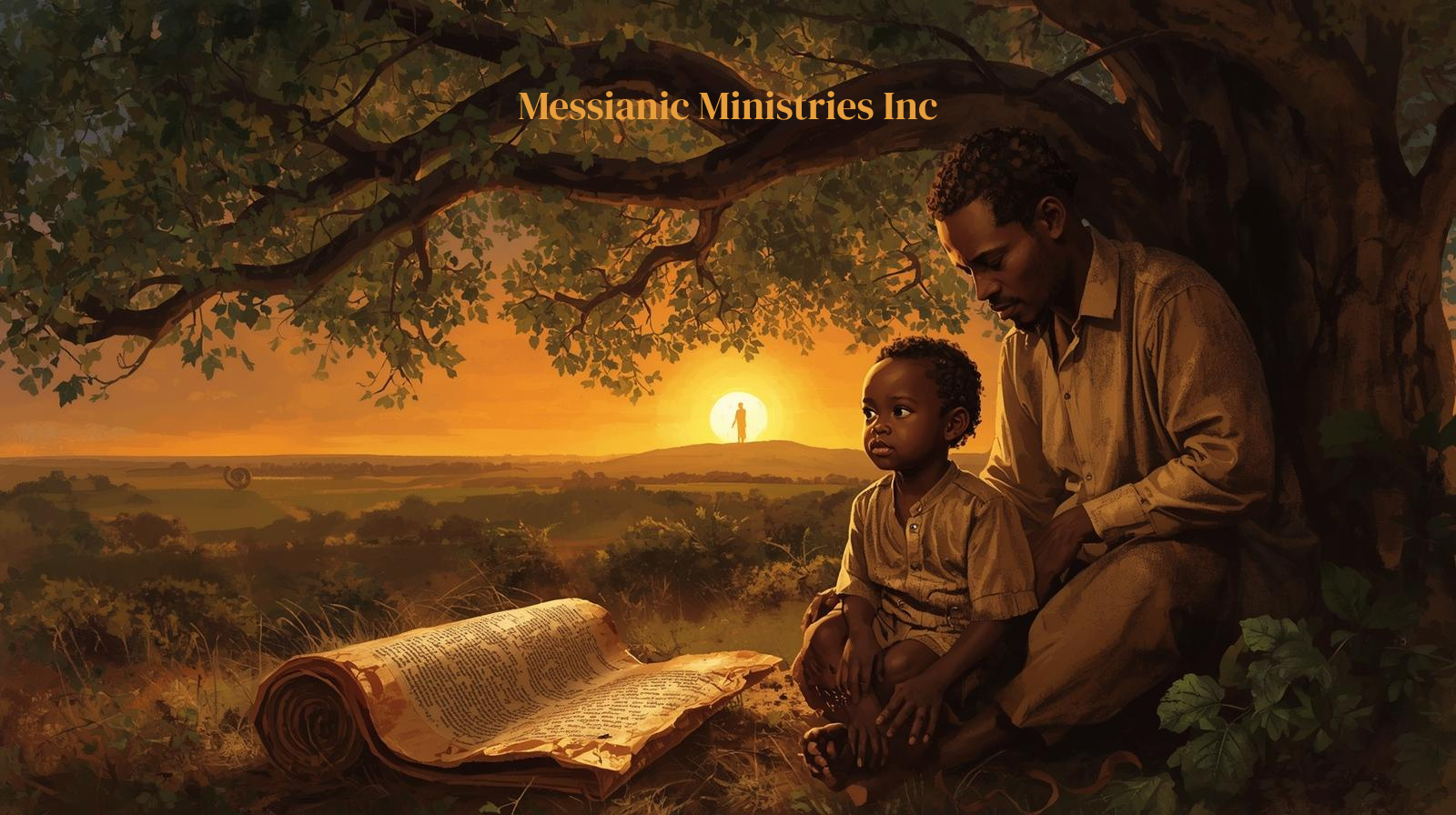
The directive in Deuteronomy 4:9 is both grave and imperative: “Only take heed to thyself, and keep thy soul diligently.” Moses emphasizes to Israel the necessity of deliberate recall and loyal transmission in their connection with God. The covenant at Sinai was intended not solely for one generation, but for all subsequent generations. Amnesia would result in idolatry, exile, and fragmentation, but recollection would ground them in God's assurances.
This verse messianically directs us to the eternal testimony of Christ, the manifestation of God's covenant fidelity. As Israel was cautioned to "guard their soul meticulously," the Messiah arrived to safeguard the soul of Israel and to bestow covenant blessings onto the nations. In Him, recollection and assurance intersect. The manifestations of God—His fire, voice, and glory—witnessed by Israel at Sinai are ultimately realized in the life, death, and resurrection of Christ.
The excerpt emphasizes generational accountability: “instruct your sons and your grandsons.” This instruction transcends the mere recitation of rules, focusing instead on conveying the dynamic essence of God's salvific actions. The Messiah accomplishes this by establishing a New Covenant inscribed on hearts (Jeremiah 31:31–34), guaranteeing that the testimony of God’s redemption remains indelible.
In contemporary life, the difficulty persists—forgetfulness is an enduring concern. We inhabit a realm of diversions, where the marvels of God may diminish from recollection if not diligently preserved. In the Messiah, the Spirit perpetually instructs us, inscribing the evidence of Christ’s completed work upon our hearts. Our obligation parallels that of Israel: to vigilantly safeguard our spirits, to recall the deeds of the Lord, and to impart to the next generation not merely the text, but the essence of the covenant manifested in Jesus.
Each recounting of God's fidelity sustains the promise. Parents, pastors, and disciples are tasked with conveying the immutable truth of the Messiah to their followers, ensuring that the covenantal flame remains perpetually vibrant.
* The exhortation to be vigilant and safeguard the soul is fundamental to covenant fidelity.
* Forgetfulness results in spiritual disconnection; remembering grounds us in God's assurances.
* The Messiah actualizes the covenant by embodying its remembrance and its prospective fulfillment.
* Instructing the subsequent generation guarantees the promise is maintained and enacted.
Deuteronomy 4:9 transcends mere recollection; it serves as a prophetic connection to the Messiah, who ensures covenant fidelity across all generations. As we protect our souls in Him and convey His testimony, the promise of God endures, radiating vibrantly until its fulfillment in His eternal reign.
#Christianity #jesus #christiantiktok #bible #foryou #cogic #cogbf #cog #apostolic #seventhdayadventist #messianicministriesinc #allnations #fgbcf #tiktok #bibleverse #prophetic #fght #paw
The Precious Path of Wisdom
Proverbs 3:15-17

Proverbs personifies wisdom as a valuable treasure surpassing earthly riches, more coveted than rubies, gold, or any material property. This insight, however, is not theoretical—it is Christ Himself. Paul asserts that in Him "are concealed all the treasures of wisdom and knowledge" (Colossians 2:3). The quest for wisdom is, therefore, the quest for the Messiah, as He represents the entirety of God's counsel, truth, and life.
Solomon asserts that knowledge possesses “length of days” in one hand and “riches and honour” in the other. This not only pertains to daily blessings but also prophetically alludes to eternal life and glory in Christ. In Him, we obtain the gift of eternal days, unencumbered by the deterioration of this world, and the genuine wealth that is impervious to moth and rust. Honor is not the transient acclaim of individuals but the everlasting significance of glory granted to those who follow Him.
The avenues of wisdom are characterized as "pleasantness" and "peace." This directly reflects the Messianic promise in Isaiah 9:6, where the anticipated Christ is referred to as the “Prince of Peace.” In Him, the tumult of sin is quelled, and harmony with God is attained. Walking in wisdom entails walking in the Messiah, and walking in the Messiah results in experiencing a peace that transcends all understanding.
The juxtaposition of material wealth and spiritual enlightenment highlights the futility of a life driven by desire independent of God. No material item, desire, or aspiration rivals the profound richness of knowing Christ. Here, Solomon's words serve as both a promise and an invitation: select wisdom, embrace Christ, and attain the treasures of eternity.
*Christ represents the essence of divine wisdom (Colossians 2:3).
* Genuine wealth and honor are everlasting, rather than materialistic.
* The road of wisdom culminates in tranquility and contentment, realized in the Messiah.
*Worldly riches diminish in significance when juxtaposed with the life discovered in Christ.
The wisdom of God is not a concept to comprehend but a Person to emulate—our Messiah, Yeshua. To walk in Him is to adopt a life characterized by peace, honor, and everlasting recompense, an invaluable treasure.
#Christianity #jesus #christiantiktok #bible #foryou #cogic #cogbf #cog #apostolic #seventhdayadventist #messianicministriesinc #allnations #fgbcf #tiktok #bibleverse #prophetic #fght #paw
Praying Always in the Spirit
Ephesians 6:18
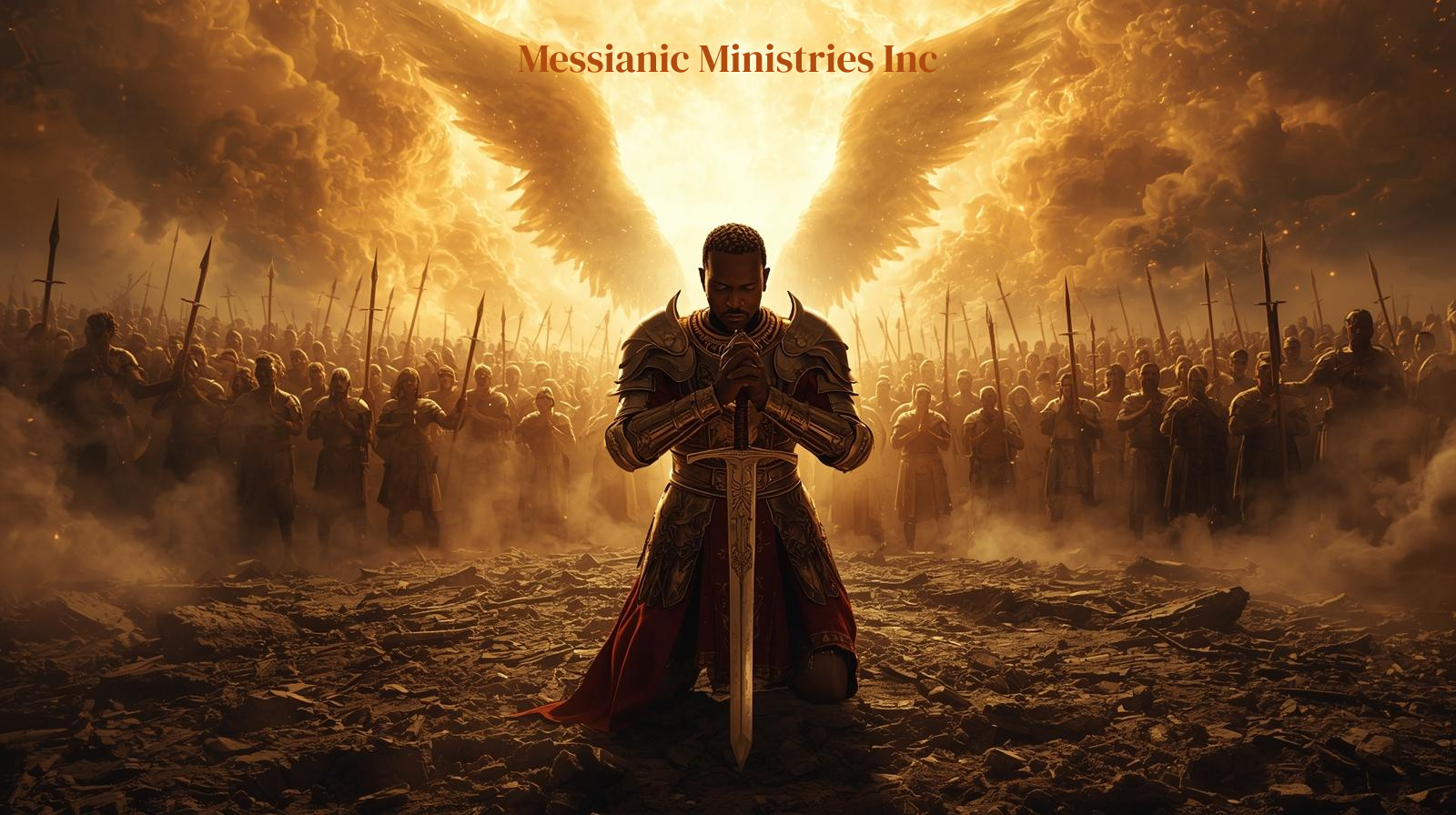
Paul closes his depiction of the believer's armor with an essential, sustaining directive: "Praying continually with all prayer and supplication in the Spirit." The armor of God, while formidable, is insufficient without prayer. Prayer is the warrior's breath, the saint's lifeline, and the force that activates celestial armor. In the absence of prayer, the armor assumes a decorative rather than a practical role.
The expression "in the Spirit" is essential. This refers not to futile repetition or artifice in speech, but to Spirit-guided contact with the Father. The Messianic fulfillment, via Yeshua’s triumph, facilitates the outpouring of the Spirit, allowing us to pray in accordance with God's will. As the Messiah intercedes at the right hand of the Father (Romans 8:34), we are likewise summoned to participate in that intercession, supported by the Spirit who articulates inexpressible groanings on our behalf (Romans 8:26).
Observe Paul's emphasis on perseverance: “watching thereunto with all perseverance.” Prayer is not a trivial endeavor but a rigorous practice. The adversary aims to exhaust the faithful, thereby diminishing their vigilance. Nevertheless, the Messiah urges His followers to stay vigilant, interceding not alone for themselves but also "for all saints." The Messianic promise asserts that the Body of Christ is unified in intercession, with each member fortified by the prayers of others.
Yeshua exemplified this by praying for His disciples in John 17:15: “I pray not that thou shouldest take them out of the world, but that thou shouldest keep them from the evil.” The Messiah's priestly prayer persists inside us, His redeemed, as we support one another in the Spirit. We engage in His perpetual ministry of intercession, advocating for the nations, Israel, and the global community of Christians.
Prayer is, therefore, not passive but combative. It combats darkness, protects the vulnerable, and invokes celestial assistance. To inhabit the Messianic promise is to acknowledge that prayer serves as both a weapon and a safeguard, functioning as both shield and sword when employed in the Spirit.
* Prayer serves as the vital connection for the spiritual warrior; without of it, the armor is rendered ineffective.
* Praying in the Spirit harmonizes us with the Messiah's intercession.
*Attentiveness and steadfastness in prayer safeguard against spiritual fatigue.
*Intercession encompasses not only individual needs but also the collective body of believers.
Ephesians 6:18 conveys the Messianic promise that via Spirit-guided prayer, the believer participates in the Messiah's eternal intercession, upholding the armor of God and fortifying the body of Christ. Prayer represents the victorious stance of warfare—perpetual, vigilant, and imbued with the Spirit.
#Christianity #jesus #christiantiktok #bible #foryou #cogic #cogbf #cog #apostolic #seventhdayadventist #messianicministriesinc #allnations #fgbcf #tiktok #bibleverse #prophetic #fght #paw
The Crown of Everlasting Joy
Isaiah 51:11
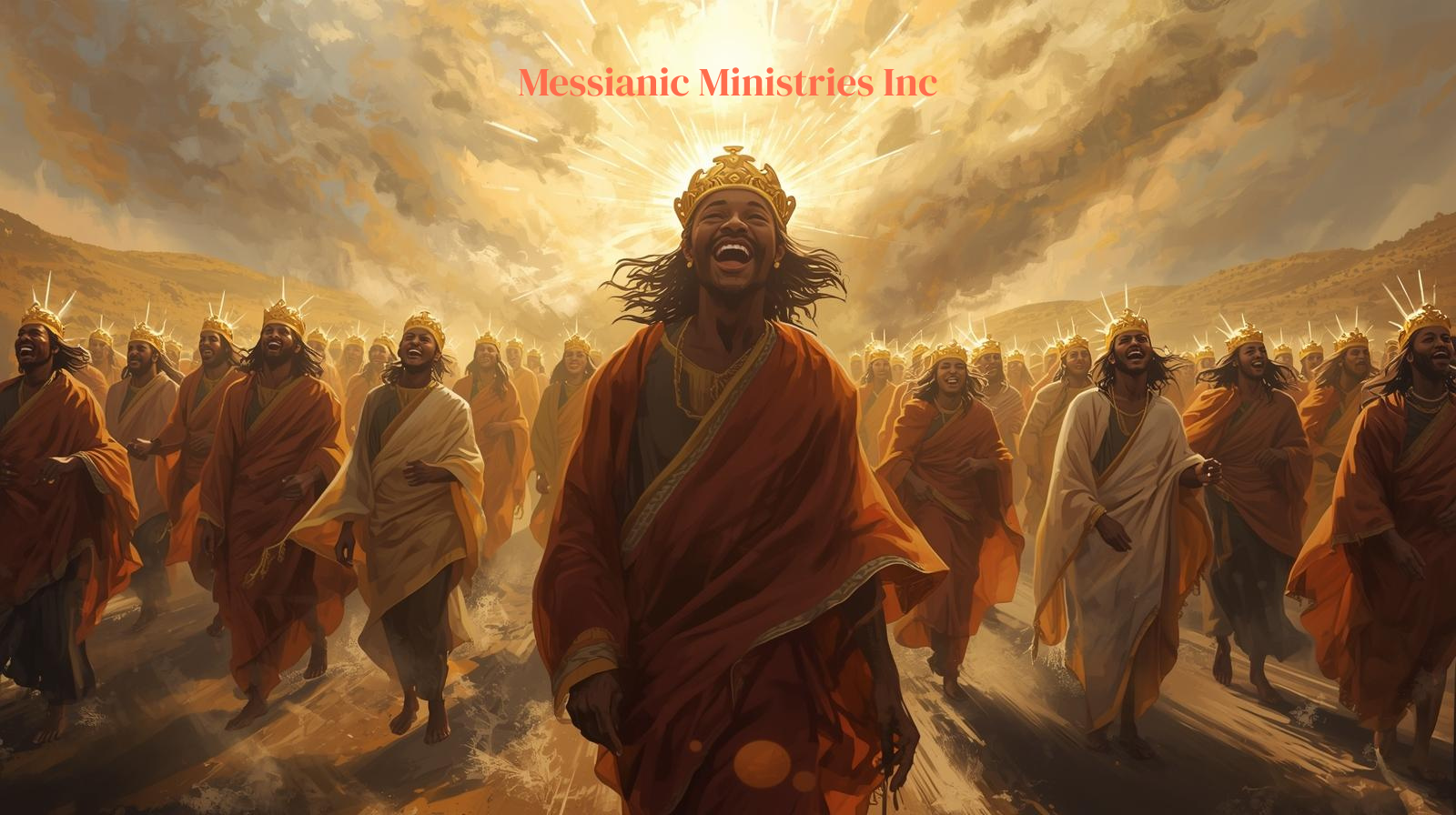
Isaiah 51:11 articulates a magnificent promise—realized in Christ, yet still anticipating its final fulfillment. The "redeemed of the LORD" encompass not just Israel restored to their territory but also all individuals who are acquired via the blood of the Messiah. This line associates redemption with gladness, adoration, and the divine presence in Zion.
In its immediate context, Isaiah reassures the people of Israel with the promise of returning from exile. Prophetically, the Spirit indicates a more profound redemption: the victory of the Messiah who leads His people into the eternal reign. The depiction of returning to Zion with song anticipates the great assembly detailed in Revelation 7, where the redeemed from all nations sing before the throne of God and the Lamb.
The "everlasting joy upon their head" alludes to the priestly crown, representing divine favor and sanctification. In Messiah, our grief is not merely diminished—it is completely eradicated. Sorrow does not coexist with this joy; it "vanishes." The term signifies a total inversion: that which formerly subjugated God's people no longer holds sway.
This promise directs us to Christ's triumph over sin and death. By His resurrection, He guides His rescued from bondage to everlasting jubilation. The Hebrew root for "redeemed" (ga’al) evokes the concept of a kinsman-redeemer, an individual who liberates his family from servitude. Jesus, as our Kinsman, has not only settled our debt but also reinstated our inheritance in the Kingdom.
As contemporary Christians, we exist in the interim of the "already" and the "not yet." We experience the initial manifestations of this eternal joy through the Spirit, while we anticipate its complete realization when the Messiah reigns tangibly. Until that time, we proceed with confidence, confident that every tear will be erased and every burden will give place to the joy of Zion's song.
* The redeemed are characterized by singing, gladness, and praise.
* Perpetual joy supplants—not merely reduces—sorrow.
* Jesus, our Redeemer, embodies the prophetic archetype of the kinsman-redeemer.
* This delight exists in the present (through Christ) and in the future (inside His forthcoming Kingdom).
Isaiah 51:11 guarantees that in the Messiah, gladness is perpetual rather than transient. As the redeemed, we advance towards Zion with hymns of liberation, aware that grief holds no enduring dominion over us. In Christ, eternal joy adorns our path, and in His Kingdom, sorrow shall cease to exist.
#Christianity #jesus #christiantiktok #bible #foryou #cogic #cogbf #cog #apostolic #seventhdayadventist #messianicministriesinc #allnations #fgbcf #tiktok #bibleverse #prophetic #fght #paw
The Light That Exposes Darkness
Ephesians 5:11-13

Paul's admonition to the Ephesian believers is both pressing and prophetic. Their society, imbued with idolatry, secrecy, and moral decay, posed incessant temptation. In this context, Paul urges the saints not only to refrain from communion with darkness but also to serve as proactive witnesses of the light of the Messiah.
In the Messianic promise, light and darkness are not just abstractions; they are integral to the progression of the redemptive plan. The Torah commences with God commanding light to emerge from the emptiness (Genesis 1:3). The Prophets predicted the arrival of the Servant who would serve as “a light to the Gentiles” (Isaiah 49:6). Yeshua proclaimed, “I am the light of the world: whoever follows me will not walk in darkness, but will possess the light of life” (John 8:12). Paul is so reminding us that in the Messiah, the ancient promise of light triumphing over darkness is realized.
The exhortation to "refrain from communion with the unproductive deeds of darkness" is not merely an injunction to eschew evil, but a directive to testify against it. To admonish darkness is not to disgrace others but to permit the illumination of truth to uncover what is concealed. Similar to how Yeshua challenged hypocrisy and revealed concealed intentions, His disciples are likewise summoned to allow His brilliance to illuminate what is under the surface.
This passage highlights the transformational quality of light.
Darkness does not dominate light; instead, light reveals all things. What the Spirit reveals can be healed, redeemed, and restored. Thus, reproof constitutes not condemnation but an offer to repentance. When a believer walks in the Spirit, their presence serves as a testimony—convicting others' consciences, not via reproach, but through the unmistakable illumination of the Messiah radiating from inside them.
In contemporary times, when shadows lengthen and ethical compromise attempts to merge light with darkness, the Church must recall her prophetic mission. We are not merely recipients of light; we are its mirrors, illuminating areas where the adversary has long asserted control.
Light serves as both revelation and repair in the Messiah.
Communion with darkness undermines spiritual productivity.
Reproof in the Spirit is restorative, not detrimental.
Believers embody the realization of the Messianic promise by radiating His light.
The Messiah has transformed us into children of light, and in Him, the concealed deeds of darkness cannot triumph. By adhering to His truth, we not only reveal falsehoods but also beckon others into the luminous liberation of His redemptive light.
#Christianity #jesus #christiantiktok #bible #foryou #cogic #cogbf #cog #apostolic #seventhdayadventist #messianicministriesinc #allnations #fgbcf #tiktok #bibleverse #prophetic #fght #paw
The Lord of Hosts Has Sworn
Isaiah 14:24
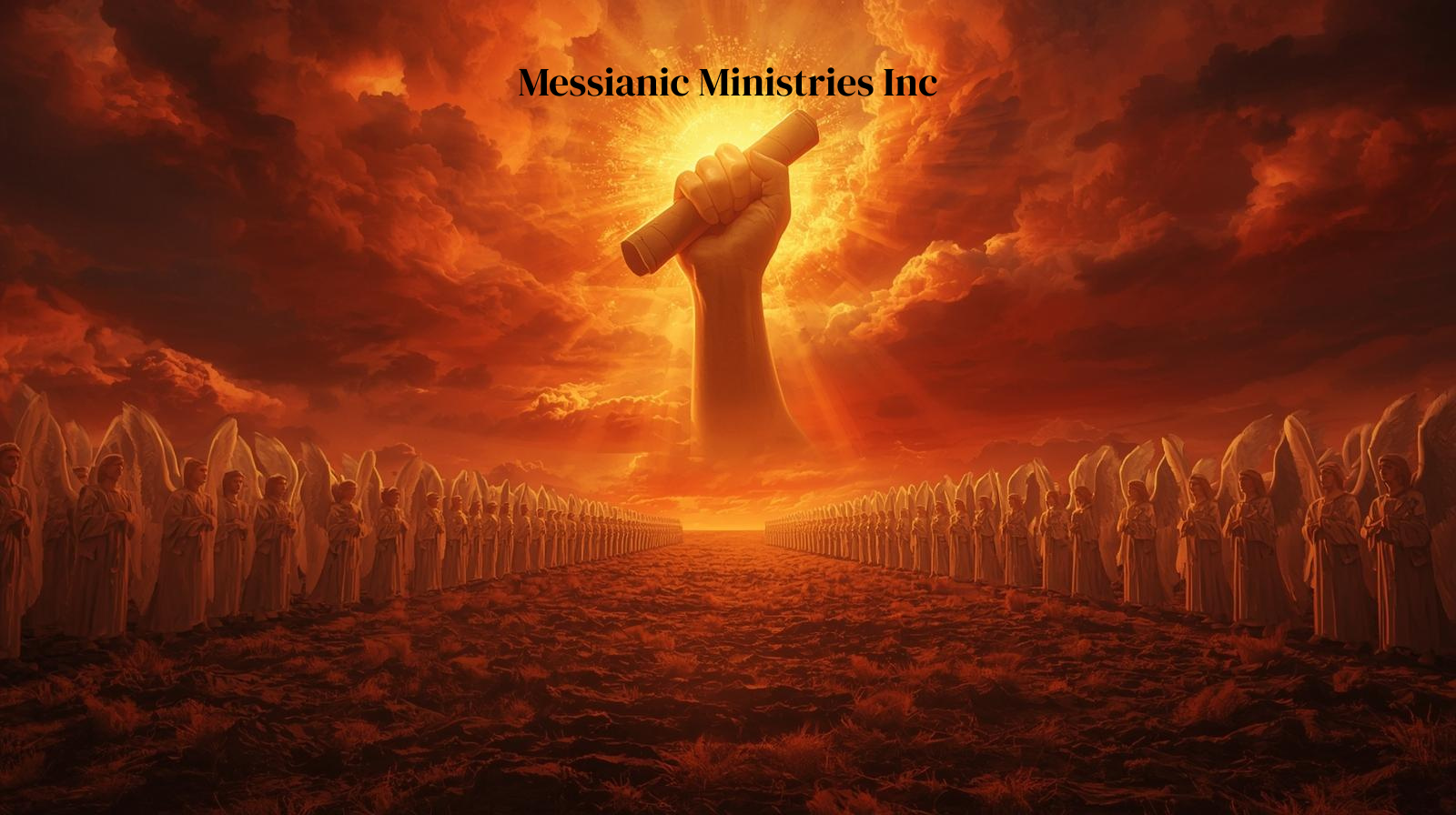
Isaiah 14:24 reveals one of the most profound truths about God’s redemptive plan: His purposes are unshakable. When the “LORD of hosts” swears, His word is absolute. Unlike the fleeting promises of men or the fragile plans of nations, God’s decrees are eternal. His thoughts are not merely ideas but living realities that inevitably manifest in time and space.
In its immediate context, Isaiah was declaring the downfall of Assyria, reminding Israel that no empire can stand against the sovereign will of Yahweh. Yet, this verse stretches far beyond geopolitical events—it speaks to the eternal purposes of God that find their ultimate fulfillment in the Messiah. The incarnation, crucifixion, and resurrection of Yeshua were not improvisations but the outworking of God’s eternal counsel. “Surely as I have thought, so shall it come to pass.”
The promise of Messiah is anchored in this divine certainty. From Genesis to Revelation, we see a God who not only promises but swears by His own name. His covenant with Abraham, His oath to David, His prophetic declarations through Isaiah and the prophets—all converge in the person of Jesus Christ. Nothing could derail the divine plan: not Pharaoh, not Babylon, not Rome, not even death itself.
This verse should anchor the believer’s soul. In seasons when chaos surrounds us, when the schemes of men and the pressures of the world rise like waves, we can rest in the immovable reality that God’s purposes stand. His thoughts toward us are good, His purposes are for redemption, and His Messiah has sealed them with His blood.
The believer can take courage today: what God has purposed in Christ for your life cannot be overturned. His promises are not fragile hopes but sworn realities. If He has declared you forgiven, you are forgiven. If He has purposed eternal life, it shall be so. If He has sworn that His kingdom will come in fullness, then the nations of this world cannot hinder it.
God’s sworn purposes are unshakable and cannot fail.
Messiah is the ultimate fulfillment of God’s eternal plan.
Human opposition cannot frustrate divine intention.
Believers can find rest in the certainty of God’s promises.
The Lord of hosts has sworn, and His oath is our assurance: what He has purposed in Christ will stand forever. Trust in His eternal decree, for His word is as unshakable as His throne.
#Christianity #jesus #christiantiktok #bible #foryou #cogic #cogbf #cog #apostolic #seventhdayadventist #messianicministriesinc #allnations #fgbcf #tiktok #bibleverse #prophetic #fght #paw
The Bread of Obedience
St John 4:34
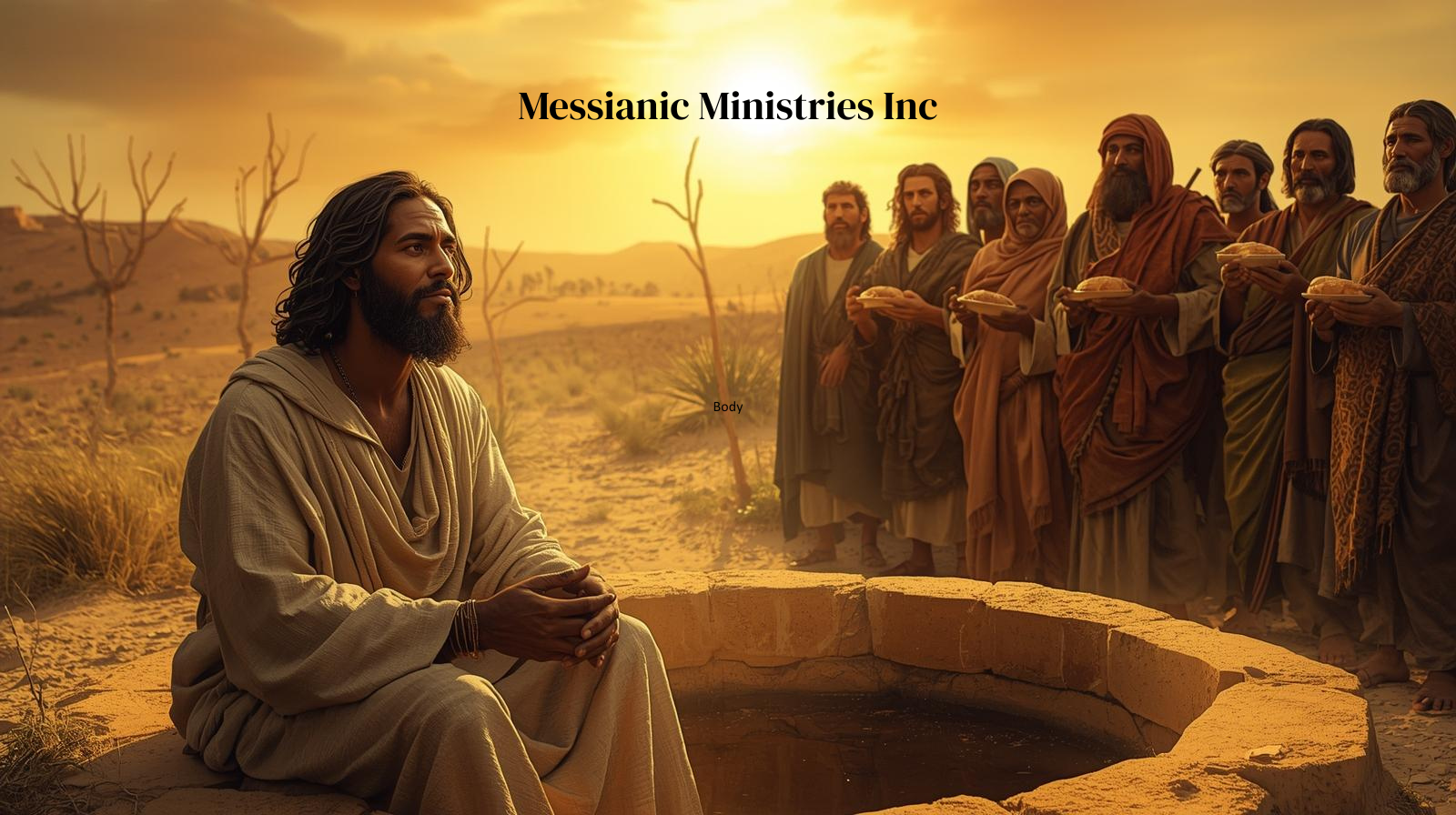
In John 4, Jesus discloses a significant fact regarding His mission and nourishment. Following His dialogue with the Samaritan woman, the disciples return with provisions and implore Him to partake in a meal. Christ asserts, “My sustenance is to fulfill the will of the one who sent me and to complete his work.” His declaration elucidates the core of His Messianic purpose: adherence to the Father's will is not merely His duty but also His fundamental sustenance.
The Greek term for "meat" in this context is brōma, signifying sustenance or food. Jesus demonstrates that His genuine fulfillment derives not from physical sustenance but from conforming to the Father’s eternal design. In the wilderness, He proclaimed, “Man shall not live by bread alone, but by every word that proceeds from the mouth of God” (Matt. 4:4). Here, He elaborates on that principle: obedience is the sustenance that nourishes Him.
This passage evokes the Messianic promise that the Servant of the Lord would be fervently dedicated to fulfilling God's task (Psalm 40:7–8; Isaiah 61:1–2). Christ exemplifies this, existing not for His own sake but for the salvation of others. His sustenance derived from rescuing the lost, transcending cultural boundaries, and manifesting the Father's love.
For adherents, this represents both a challenge and an invitation. Satisfaction is frequently assessed through our consumption of achievement, things, or recognition. Jesus instructs us that true fulfillment is found in yielding to God's will. Our lives attain their utmost significance when we submit to the divine plan and toil in His harvest.
The Samaritan woman, formerly marginalized, transformed into an evangelist following her encounter with Christ. She abandoned her waterpot, representing terrestrial ambition, and hurried to proclaim the Messiah to her community. Similarly, we are urged to abandon ephemeral gratifications and seek enduring sustenance in fulfilling the Father's task through Christ.
* Christ's sustenance derived from obedience rather than corporeal sustenance
.* The Messianic mission aims to disclose and accomplish the Father's will.
* Compliance with divine will nourishes the believer's spirit more than material wealth.
* Genuine fulfillment is attained by harmonizing our life with God's intention.
The Messianic promise in John 4:34 illustrates that, akin to Christ being maintained by obedience to the Father, we are likewise fortified when we submit to His will. Our greatest fulfillment lies not in our consumption but in our sacrifice for the glory of God.
#Christianity #jesus #christiantiktok #bible #foryou #cogic #cogbf #cog #apostolic #seventhdayadventist #messianicministriesinc #allnations #fgbcf #tiktok #bibleverse #prophetic #fght #paw
The Counsel of the Lord Shall Stand
Proverbs 19:21

The sagacity of Proverbs illustrates that individuals, relying on their own capabilities, create several schemes. Our hearts are imbued with aspirations, plans, and yearnings. Nevertheless, despite the numerous paths available to us, Scripture asserts that it is the wisdom of the Lord that will prevail. This truth is realized in the individual and purpose of the Messiah.
Throughout Israel's history, several rulers, nations, and foes emerged with their distinct agendas. Pharaoh endeavored to oppress and exterminate God's people; Herod aimed to eliminate the promised child upon His birth; the religious authorities conspired to suppress Yeshua through crucifixion. Nevertheless, every human scheme, albeit appearing formidable, could not subvert the eternal decree of God. The crucifixion, originally designed for malevolence, ultimately served as the means of salvation, as the Lord had ordained from eternity that His Son would be the Lamb sacrificed for the sins of humanity.
The Messiah was cognizant of His purpose: “I must work the works of Him that sent Me” (John 9:4). His existence was not dictated by the variable judgments of individuals but by the unchanging intent of His Father. In Gethsemane, despite His human aversion to the impending pain, He acquiesced to the divine directive: “Nevertheless not my will, but thine, be done” (Luke 22:42).
Proverbs 19:21 offers both solace and admonition to us today. Consolation arises from the certainty that, irrespective of worldly turmoil, God's design via the Messiah remains steadfast and immutable. Conviction arises from the necessity to consistently match our actions with His revealed will. When our intentions contradict His guidance, they are fated to diminish; yet, when yielded to Him, they integrate into His everlasting purpose.
Consequently, the certainty of this verse transcends abstract wisdom, embodying a messianic guarantee: the Lord's redemptive scheme through Yeshua will invariably triumph. Heaven and everything may perish, but His counsel endures eternally.
Human intentions are numerous, yet only divine purposes persist.
The plots against the Messiah just actualized God's everlasting decree.
The Messiah fully complied with the Father's desire, even unto death.
Adherents derive assurance from conforming their life to divine guidance.
The counsel of the Lord is unchangeable, and it is manifested and fulfilled in the Messiah. Let us relinquish our own plans, believing that His will is not only unwavering but also benevolent, flawless, and redemptive for all who follow His way.
#Christianity #jesus #christiantiktok #bible #foryou #cogic #cogbf #cog #apostolic #seventhdayadventist #messianicministriesinc #allnations #fgbcf #tiktok #bibleverse #prophetic #fght #paw
The Spirit Without Measure
Numbers 11:29

Moses' statements in Numbers 11:29 are remarkably prophetic, surpassing the immediate context of Israel's sojourn in the wilderness. Eldad and Medad commenced prophesying in the camp, prompting Joshua, faithful to Moses, to advocate for their restraint. However, Moses, instead of safeguarding his own authority, unveiled the essence of God's redemptive design: that His Spirit would not be restricted to a select few but bestowed upon all His people.
This yearning was realized in Messiah Yeshua. John the Baptist said, “For God does not grant the Spirit in limited measure to him” (John 3:34).
Yeshua, the authentic Prophet akin to Moses, received the complete measure of the Spirit and, by His death, resurrection, and ascension, bestowed Him upon all believers. The day of Pentecost serves as the unequivocal fulfillment of Moses' desire: “And it shall come to pass in the last days, saith God, I will pour out of my Spirit upon all flesh” (Acts 2:17).
The prophetic vision in Numbers 11:29 is thus fundamentally Messianic. Previously, only specific leaders—prophets, priests, and kings—were consecrated for service; now, every believer in the Messiah is imbued with the indwelling Spirit. The hierarchy of access is dismantled, supplanted by the priesthood of all believers, endowed with the authority to prophesy, serve, minister, and disseminate the message of Yeshua.
The text also highlights Moses' humility. He neither envied the Spirit's endeavors in others nor did he protect his position with jealousy. He instead commemorated God's sovereign decision to empower His people. This indicates the humility of the Messiah, who "emptied himself" (Philippians 2:7) so that others could partake in His anointing.
Numbers 11:29 serves as both a promise and a summons for us today. It serves as a reminder that the Spirit is not restricted to the pulpit or clergy, nor is it exclusive to the spiritually privileged. If you are a member of the Messiah, then the Spirit of God resides within you. The prophetic testimony is no longer the expression of a select few, but the anthem of a Spirit-imbued throng.
Moses' yearning foresaw the global effusion of the Spirit.
The Messiah Yeshua actualizes this promise by baptizing His followers with the Spirit.
Pentecost fulfills Moses' supplication, affirming the priesthood of all believers.
The Spirit's presence is not confined to leadership but is shared among all believers.
Humility and receptiveness to the Spirit are crucial for prophetic testimony.
Moses yearned for a time when all of God's people would be imbued with His Spirit—Messiah actualized that promise. Today, let us confidently embrace the anointing bestowed upon us, declaring Yeshua with Spirit-infused authority, aware that Moses' aspiration has been realized inside us.
#Christianity #jesus #christiantiktok #bible #foryou #cogic #cogbf #cog #apostolic #seventhdayadventist #messianicministriesinc #allnations #fgbcf #tiktok #bibleverse #prophetic #fght #paw
The Spirit of the Lord Will Come Upon You
1st Samuel 10:5-7
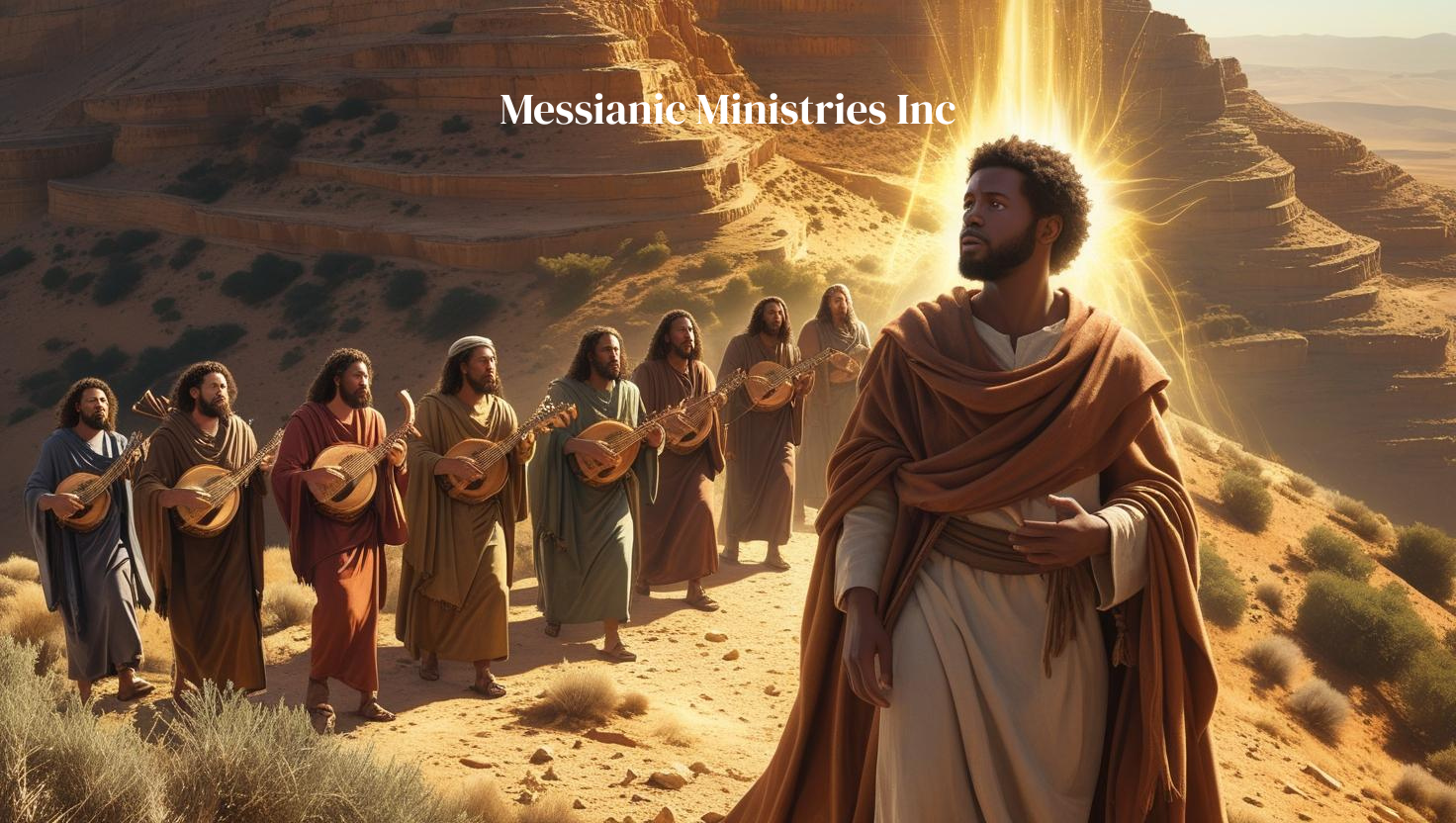
This verse illustrates the significant moment when the Spirit of the LORD descended upon Saul, enabling him to assume his divinely appointed duty. Despite being selected as Israel's inaugural king, Saul lacked the spiritual assurance and inner metamorphosis required for effective leadership. The anointing of oil by Samuel represented his vocation, although it was the effusion of the Spirit that facilitated the realization of his destiny.
Observe the sequence: worshippers and prophets descending with music, establishing an atmosphere in which God's presence was evident. In this prophetic environment, Saul experienced metamorphosis. The Spirit not only augmented his talents but also transformed his fundamental essence. The scripture states, "You shall be transformed into another man." When God summons an individual, He simultaneously equips and transforms them to withstand the demands of that calling.
This moment anticipates the more significant role of the Holy Spirit via Messiah Yeshua in the Messianic context. Similar to Saul's empowerment for kingship, contemporary believers are likewise transformed by the Spirit to fulfill their divine calling. The prophets foretold the Messiah who would baptize not solely with water, but with the Holy Spirit and fire (Matthew 3:11). Through Him, ordinary individuals transform into remarkable vessels, “new creations” (2 Corinthians 5:17), prepared for service in the kingdom.
The instruments possessed by the prophets are not trivial particulars. Worship and prophecy frequently coexist, creating an environment conducive to the Spirit's activity. The harp, psaltery, and pipe signify that genuine transformation emanates from the presence of God, frequently nurtured through worship.
Saul's metamorphosis functions as both an assurance and a cautionary tale. God can strengthen individuals for His purpose; nevertheless, continuous obedience is necessary to maintain His favor. The Messianic promise guarantees that in Yeshua, the Spirit's indwelling presence is enduring, ensuring our transformation and directing us towards faithfulness.
* God summons, yet His Spirit metamorphoses.
* Worship and prophesy prime hearts for sacred experiences.
* The Spirit transforms us into "another man" - a new creature in the Messiah.
* Transformation is not a singular occurrence but an ongoing process of adherence.
The Spirit of the Lord that descended upon Saul is the identical Spirit bestowed upon all who have faith in Yeshua the Messiah. Through Him, we are transformed into "another man," not by strength or force, but by the Spirit of the Living God.
#Christianity #jesus #christiantiktok #bible #foryou #cogic #cogbf #cog #apostolic #seventhdayadventist #messianicministriesinc #allnations #fgbcf #tiktok #bibleverse #prophetic #fght #paw
The Myrrh of His Presence
Song of Solomon 5:5

The Song of Solomon, while frequently seen as an allegory of human affection, possesses significant Messianic profundity. In this excerpt, the Shulamite ascends to unlock the door for her beloved; however, prior to her visual confirmation, his presence is indicated by the myrrh on the door's handles. Myrrh holds profound significance in biblical iconography. It was one of the offerings given to the Christ-child by the Magi (Matthew 2:11), a prophetic symbol of His agony and demise. It was additionally employed in embalming, presaging His interment. Myrrh is a fragrant resin, symbolizing devotion and sacrifice.
The myrrh remaining signifies the Beloved—Christ Himself. Even in the absence of His presence, the remnants of His proximity endure. For the Christian, this refers to instances when the Lord appears elusive, when prayers seem unacknowledged, or when the heavens appear mute. However, if we endeavor to seek Him, we discover that He has left indications of His presence—be it in the Scriptures, in the solace of the Spirit, or in the affirmation of His fidelity.
The lock's knobs symbolize access and welcome. The Beloved approached, knocking (cf. Revelation 3:20), and left in His wake the scent of His affection. The tragedy in the narrative lies in the Shulamite's procrastination in opening; by the time she arose, He had departed. Nevertheless, she is not devoid of consolation; she retains the aroma, a testament to His presence.
This indicates both reassurance and prudence. Comfort arises from the presence of Christ, who manifests Himself in every season—through His Spirit, through communal bonds, and through the sacraments of grace. Exercise caution, since procrastinated compliance may result in the loss of a significant opportunity for engagement. The Messianic promise indicates that Christ, the Bridegroom, perpetually approaches, imparting the myrrh of His presence to those who will awaken and welcome Him.
Myrrh represents Christ's affliction, sacrifice, and aromatic devotion.
The enduring aroma represents the persistent presence of Christ, even when He appears concealed.
A delayed response to Christ’s invitation may result in lost intimacy, yet His presence leaves a lasting testimony.
Christ, the Bridegroom, continues to knock at the doors of our hearts (Revelation 3:20).
The scent of myrrh on the lock signifies that Christ has already approached. We are summoned to ascend promptly, to unveil without reluctance, and to welcome the Beloved who imprints His sacrificial love in every location He visits.
#Christianity #jesus #christiantiktok #bible #foryou #cogic #cogbf #cog #apostolic #seventhdayadventist #messianicministriesinc #allnations #fgbcf #tiktok #bibleverse #prophetic #fght #paw
The Body United in Messiah
1st Corinthians 12:17
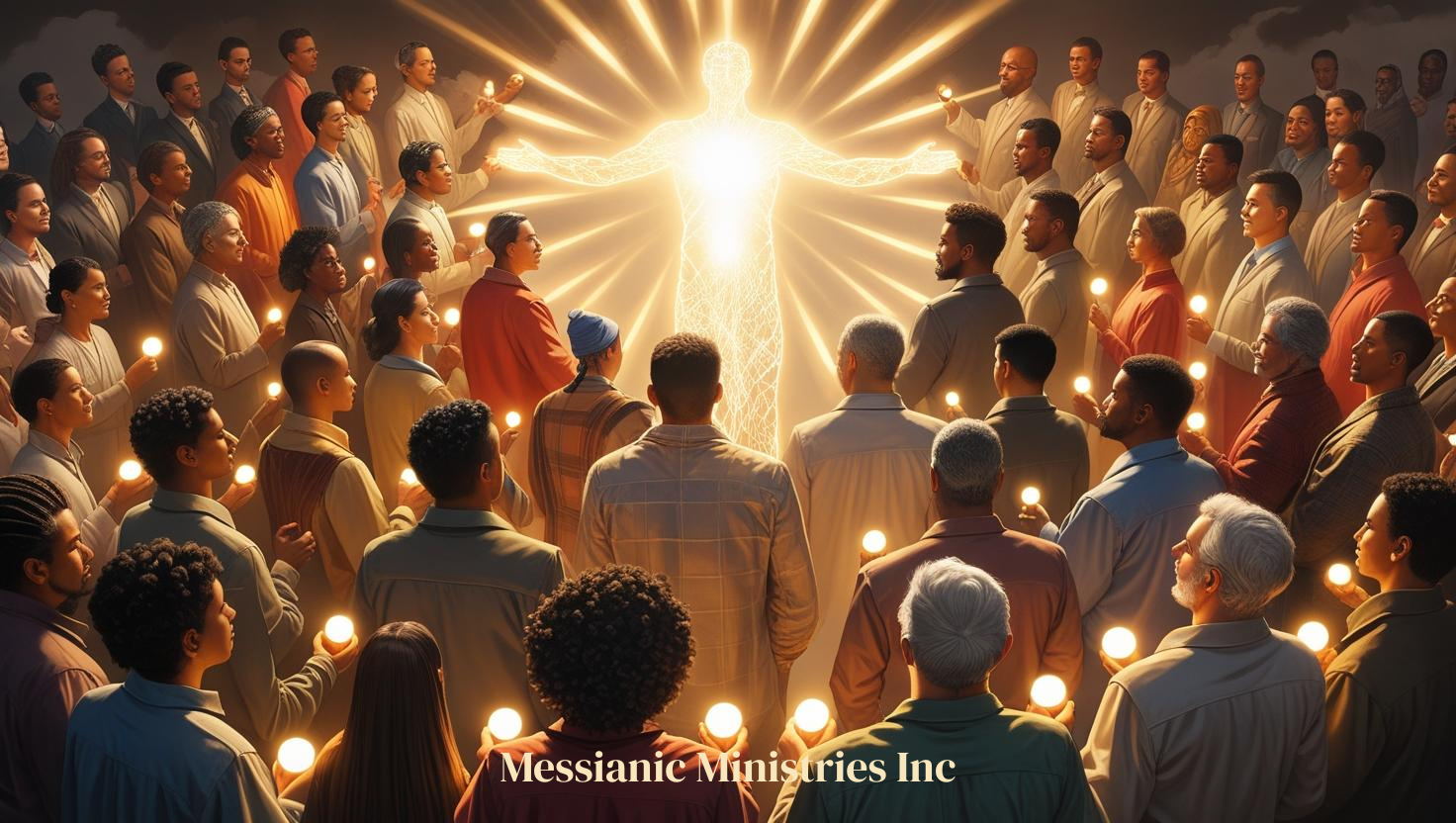
Paul's instruction in 1 Corinthians 12 emphasizes a crucial aspect of the Messianic promise: the unity of God's people in the Messiah is characterized by harmony rather than uniformity. In a society fixated on rank and comparison, Paul employs the metaphor of the body to deconstruct pride and insecurity among believers. The body is a singular entity, comprised of numerous components, each has a distinct purpose vital to the entirety.
“If the entire body were an eye, where would the hearing reside?” Paul's rhetorical inquiry reveals the folly of attempting to homogenize all members. An eye is invaluable; nonetheless, the body remains incomplete without ears or hands. Similarly, the ekklesia—Messiah’s congregation—cannot operate effectively if all individuals strive to fulfill the same duty or prioritize one talent over another.
This reality directly embodies the Messianic purpose of Yeshua. He did not come to create a congregation of uniform persons but a kingdom of priests, each endowed by the Spirit for unique service. As Israel was designated to be a beacon to the nations, the Body of Messiah radiates when each member executes their divinely appointed vocation.
This passage's prophetic dimension addresses the reconciliation of Jews and Gentiles inside the Body of the Messiah (Ephesians 2:14–16). The "eye" cannot disregard the "ear," nor can the Gentile disregard the Jew. Each plays a role in God's salvific plan. The cohesion of varied individuals displays divine wisdom and exemplifies the Messianic promise that all countries shall be benefited through the Messiah.
This passage prompts introspection: Are we valuing the contributions of others, or do we envy their roles? Do we regard our function as trivial merely because it differs from another's? The Spirit endows each member according to the Father's intention (1 Corinthians 12:18). Faithfulness, rather than uniformity, honors the Messiah.
Ultimately, Paul directs us to the Messiah Himself, the Head of the Body. He orchestrates the components, animates them, and guarantees their coherence. As the body is inert without the head, the assembly is devoid of significance without Yeshua. The Messianic promise is realized when each individual acts in love, collaborating as a unified testament to the resurrected Messiah.
The Body of Messiah flourishes in diversity rather than conformity.
Each believer's gift is vital to God's redemptive purpose.
The cohesion of Jew and Gentile inside the Messiah is fundamental to the Messianic promise.
The Messiah, as the Head, governs and imparts vitality to the Body.
The Messianic promise invites us into a singular Body, including numerous members, with one Head—Messiah Yeshua. By embracing our distinct roles and valuing the contributions of others, the world perceives the harmony of God's Spirit and the completeness of His salvation.
#Christianity #jesus #christiantiktok #bible #foryou #cogic #cogbf #cog #apostolic #seventhdayadventist #messianicministriesinc #allnations #fgbcf #tiktok #bibleverse #prophetic #fght #paw
The Shepherd Who Seeks and Saves
Ezekiel 34:11-16

Ezekiel 34 addresses a period of significant leadership failure in Israel, characterized by shepherds who prioritize their own interests over that of the sheep, resulting in dispersion, starvation, and dread. The LORD proclaims that He will emerge as the authentic Shepherd, pursuing the lost, uniting the dispersed, and compassionately restoring them.
This prophecy profoundly aligns with the figure of Jesus Christ. He is the foretold Shepherd who represents divine pursuit, redemption, and restoration (see to John 10:11, “I am the good shepherd: the good shepherd giveth his life for the sheep”). The vivid depiction of the flock requiring care during "cloudy and dark days" reflects humanity's spiritual disarray—fragmented, dispersed, and yearning for sustenance and guidance.
Ezekiel's vision transcends the mere physical rebuilding of Israel. It prophetically indicates the Messiah's mission: to redeem the broken, heal the afflicted, empower the weak, and guide His flock to abundant pastures. This is not only a rescue; it is the creation of a secure, flourishing environment under the Shepherd's vigilant oversight.
This chapter serves as both solace and mandate for contemporary believers. It guarantees that the Messiah actively pursues each of His dispersed sheep—none are excluded from the reach of His salvific love. It urges us to embody His loving shepherding in our daily lives: seeking the disheartened, mending the broken-hearted, and guiding others to the safety and sustenance found in Christ.
God Himself assumes the role of Shepherd, rather than a representative (Ezekiel 34:11).
The Messiah proactively searches for the lost and dispersed, rather than passively awaiting their return (v. 12).
Restoration encompasses both liberation and thriving under His guidance (vv. 13–15).
The Shepherd's restoration is comprehensive: uniting, fortifying, and nourishing (v. 16).
The LORD does not delegate the role of shepherd; He personally enters the field to seek, rescue, and restore the defenseless. In Messiah Jesus, we acknowledge the ideal Shepherd who unites His followers, restores their afflictions, and guides them towards prosperity. May we discover solace under His guardianship and evolve into empathetic stewards in His vineyard.
#Christianity #jesus #christiantiktok #bible #foryou #cogic #cogbf #cog #apostolic #seventhdayadventist #messianicministriesinc #allnations #fgbcf #tiktok #bibleverse #prophetic #fght #paw
The Cornerstone of Redemption
Isaiah 28:16
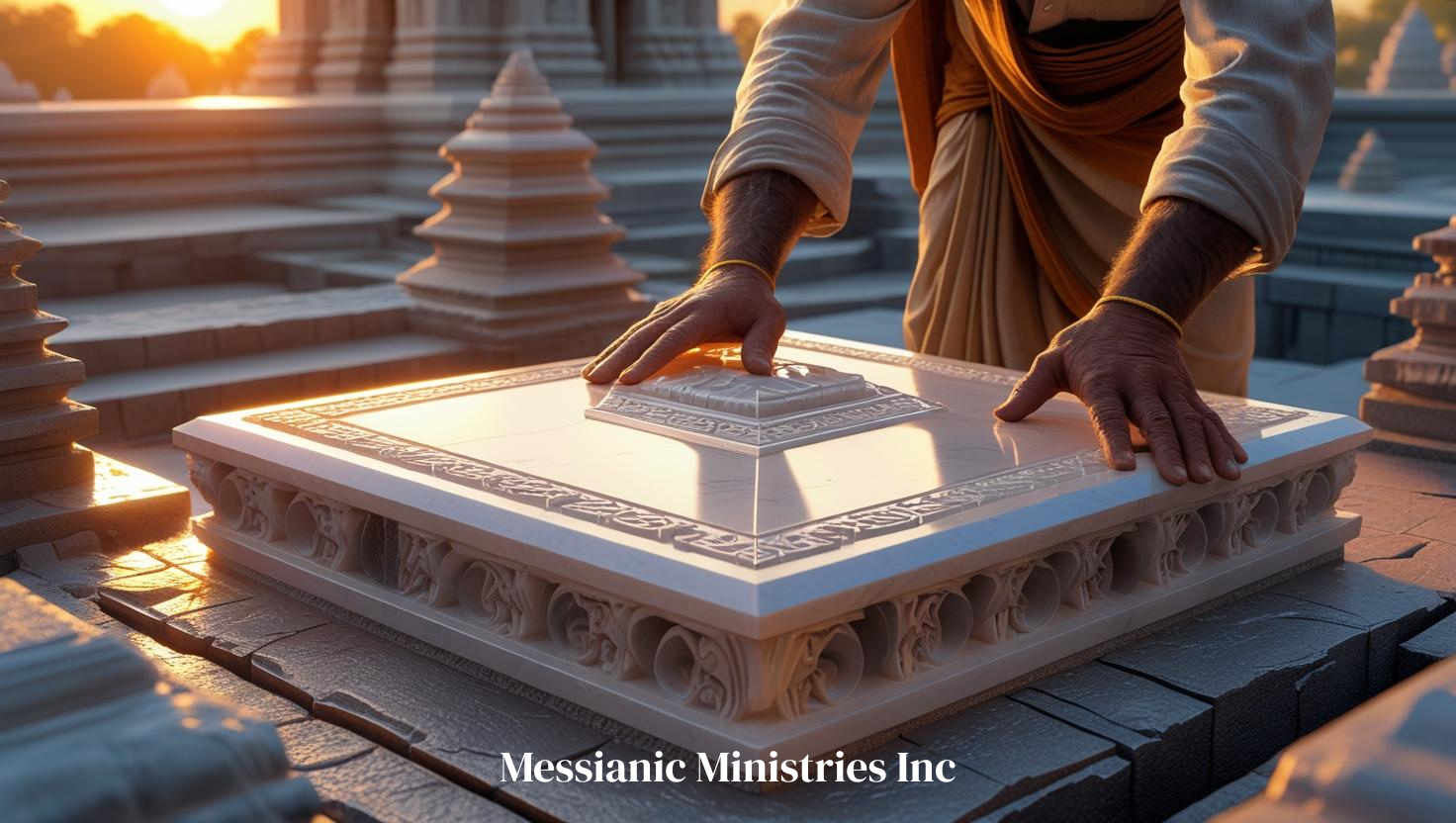
In Isaiah 28:16, the Lord declares the creation of a “tested stone” and “precious cornerstone” in Zion—a fundamental element that guarantees the alignment and integrity of the edifice constructed upon it. This symbol represents both divine authority and covenantal loyalty. The cornerstone is not only decorative; it supports weight, establishes orientation, and unifies other components. This indicates that God is establishing the foundation of His redeeming endeavor.
Matthew and Acts emphasize Jesus as the crucial Stone—“the stone the builders rejected,” now elevated as the fundamental foundation for God’s presence and purpose among humanity. The repudiation and subsequent elevation of Christ reflect the path of the Servant-Messiah, ending in glorification via resurrection, ascension, and indwelling presence.
For the Christian, Christ as the Cornerstone signifies that our faith is rooted in divine promise, subjected to trials, refined, and ultimately resilient. We are urged to harmonize our views, activities, and identities with Him, so discovering security and perspective regardless of the fluctuating circumstances surrounding us. St. Augustine once reflected, “Make me a stone to construct the dwelling of Your Church.” O Solid Rock, O Foundation, eternally steadfast.
* Divine Foundation: Jesus serves as God's supernatural foundation—selected, validated, and invaluable (Isaiah 28:16).
* Satisfaction in Rejection and Elevation: The individual dismissed by humanity is designated as God's chosen cornerstone (Matthew 21:42; Acts 4:11).
* Security in Christ: Adherents grounded in this Foundation will not waver or falter.
* Alignment: Our life's trajectory, purpose, and identity must correspond with Christ as the ultimate foundation.
Contemplate Christ, the Cornerstone established by God, and allow your heart to find solace in His unwavering nature. In a realm of fluctuating circumstances and unpredictable loyalties, Jesus serves as your steadfast, safe, and life-sustaining foundation. Ground yourself in Him—have faith, conform, and persevere.
#Christianity #jesus #christiantiktok #bible #foryou #cogic #cogbf #cog #apostolic #seventhdayadventist #messianicministriesinc #allnations #fgbcf #tiktok #bibleverse #prophetic #fght #paw
The Shepherd Who Gathers the Scattered
Jeremiah 31:8
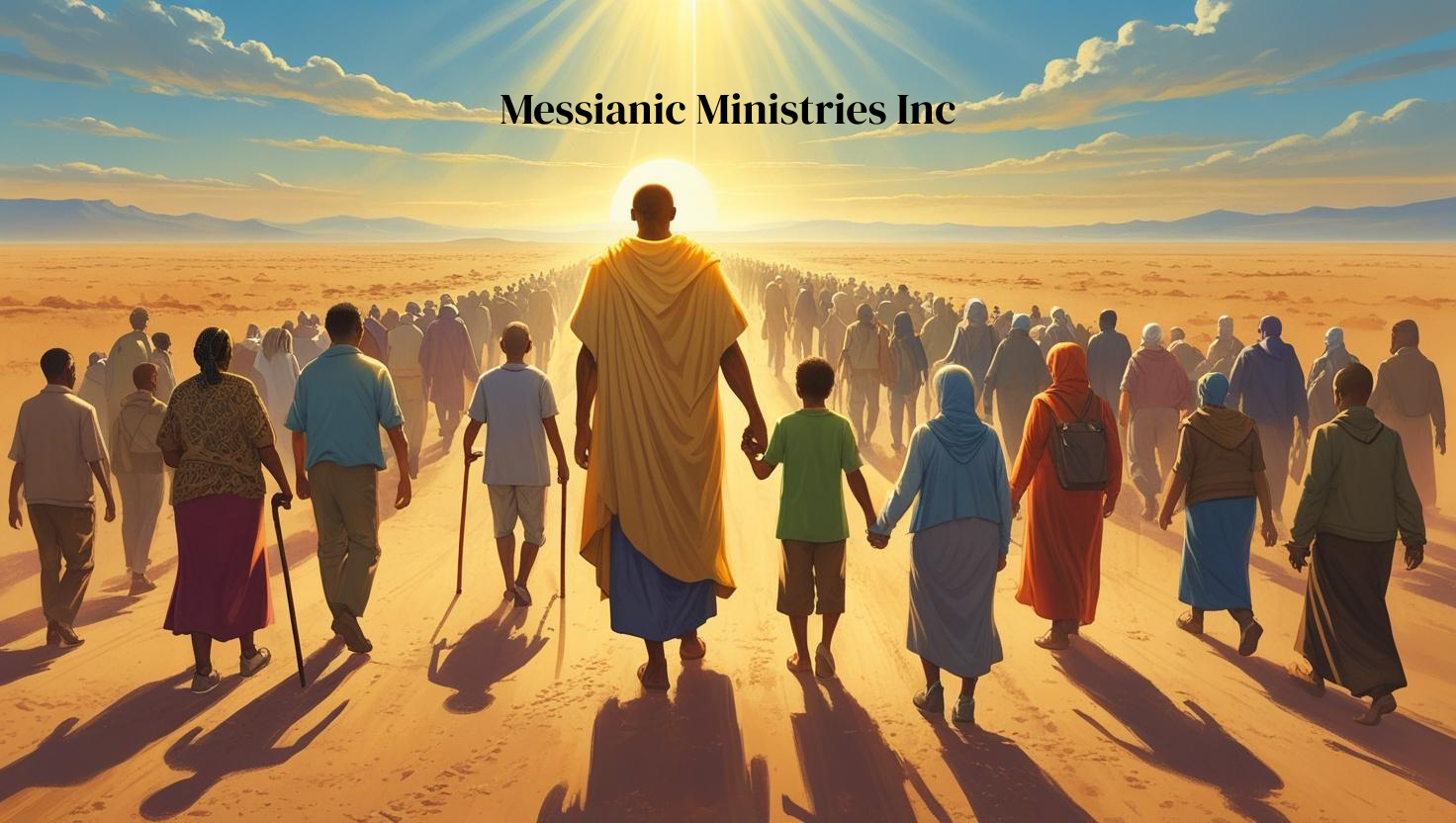
Jeremiah's prophetic declarations direct us to one of God's most compassionate and potent promises: the reassembly of His people. These words were articulated to Israel during its exile, a period characterized by dispersion and dislocation. However, they extend beyond Babylon's captivity to a more profound realization in the Messianic expectation.
Christ, the Benevolent Shepherd, exemplifies this assurance. He arrived not solely to liberate Israel from dispersion but to unite the nations into a singular fold (John 10:16). Observe the inclusivity in Jeremiah's vision: the blind, the lame, pregnant women, and those in childbirth. No one is left behind. The Messianic promise is not exclusive to the powerful or the affluent but encompasses the weak, the vulnerable, and the overlooked. This character embodies the Kingdom—compassion for the underprivileged and healing for the damaged.
The imagery of gathering profoundly aligns with the mission of Yeshua. He traversed among the blind and restored their sight. He elevated the disabled, healed lepers, and honored women at all stages of life. His ministry actualized Jeremiah’s vision by representing a God who inclusively collects rather than excludes.
This prophetic promise serves as a reminder of Christ's continual work for us now. Spiritually, He persistently unites the dispersed from diverse cultures, backgrounds, and circumstances. His Kingdom constitutes a significant assembly of the redeemed, bound not by status or capability but by grace.
It also prompts us to consider: do we align with the Shepherd's heart? Are we prepared to accept the vulnerable, to accompany the sluggish with patience, and to accommodate those frequently disregarded by society? The Messianic promise not only provides solace but also mandates us to act as gatherers rather than scatterers, embodying the Shepherd’s encompassing love.
This prophecy ultimately signifies the forthcoming regathering upon Christ's return. All exiles will conclude, every dispersed individual will be reinstated, and the people of God—restored—will journey collectively into eternal bliss.
God's assurance is to reunite the dispersed, rather than forsake them.
The Messianic mission encompasses the weak, the defenseless, and the neglected.
Christ is the Good Shepherd who actualizes this promise by uniting Jews and Gentiles into a single flock.
Believers are urged to embody His compassion by embracing and accompanying people frequently marginalized.
The final fulfillment will occur with Christ’s return, marking the conclusion of every exile.
The Messianic promise guarantees that all individuals are within the Shepherd’s reach. He unites the dispersed, mends the fractured, and rejuvenates the fatigued into a one redeemed family. Let us follow His example, inviting all into the fold of His Kingdom.
#Christianity #jesus #christiantiktok #bible #foryou #cogic #cogbf #cog #apostolic #seventhdayadventist #messianicministriesinc #allnations #fgbcf #tiktok #bibleverse #prophetic #fght #paw
The Eternal Branch from the Stump of Jesse
Isaiah 11:1-2
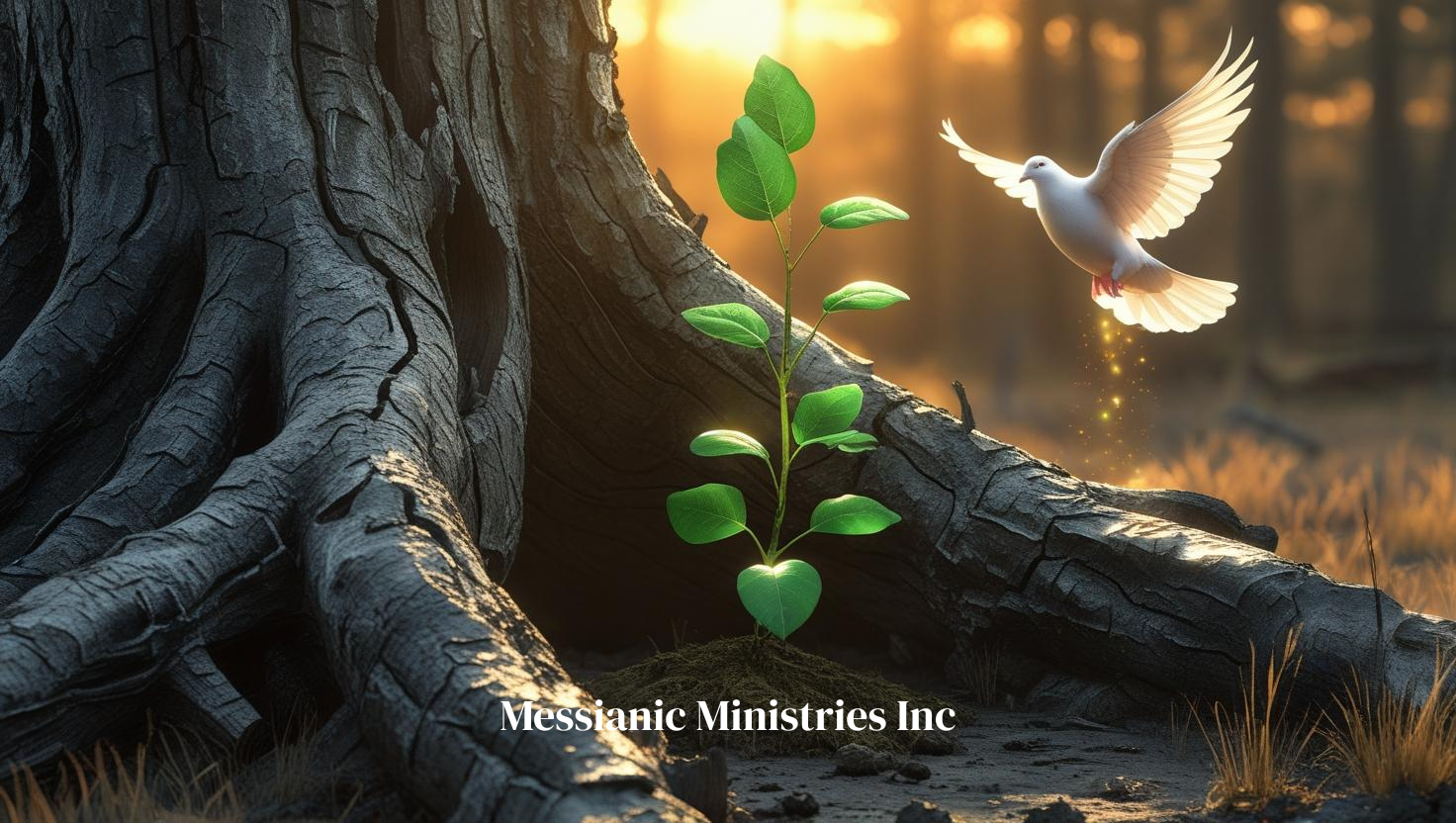
Isaiah 11 emerges from the prophetic discourse during a period when Israel's royal lineage appeared fractured, optimism waned, and the promise of David's reign was precariously maintained. The "stump of Jesse" signifies the downfall of that dynasty; nonetheless, from its fragments, God assures revitalization. This symbol illustrates both judgment and grace: although the dynasty may have faltered, the foundation remains intact, and God will bring forth the Messiah from that modest origin.
The term “Branch” (Hebrew: netzer) possesses Messianic significance—Matthew subsequently associates it with the virgin-born figure (in relation to Nazareth), although in this context, it underscores spiritual vigor emerging from what appears lifeless. The arrangement of the Spirit's sevenfold outpouring—wisdom, insight, counsel, might, knowledge, and fear of the Lord—constitutes not merely a noble attribute but the fundamental essence of divine character imparted to the forthcoming Messiah.
In the New Testament, early adherents acknowledged this as realized in Christ, although it is not directly referenced, the typology is evident. Jesus embodied heavenly wisdom, provided authoritative guidance, and exhibited authority moderated by knowledge and profound reverence. His life exemplified a profound fullness of Spirit.
This Scripture encourages us to find solace in the certainty that God excels in redemption and restoration, even in seemingly dire situations. He can generate vitality in seemingly desolate circumstances. It also encourages us to embrace the same Spirit of wisdom, discernment, and counsel, to navigate the equilibrium of strength and humility, guided by reverence for God.
Jesus is the Branch, as the Messiah. His birth, life, and ministry exemplify the realization of Isaiah’s vision: divine authority grounded in humility, invigorated by the Spirit, and entirely aligned with the Father’s will.
The Messiah arises from the "stump" of David's lineage—God revitalizes and redeems what appears to be lifeless.
The "Branch" represents regeneration, hope, and Messianic continuity.
The sevenfold Spirit depicts the completeness of divine anointing—equilibrium of truth, power, and reverence.
Jesus exemplifies this completely: the Spirit abides in Him, enabling His purpose.
Our devotional response: foster that same Spirit in our daily existence—pursuing wisdom, divine guidance, and profound understanding.
God's messianic promise is founded on renewal—He generates life from dead and instills a seed of hope among desolation. Through the Messiah, the Spirit bestows upon us heavenly wisdom, strength, and profound insight. May we receive that Spirit, yield fruit in our generation, and live as authentic disciples of the Branch.
#Christianity #jesus #christiantiktok #bible #foryou #cogic #cogbf #cog #apostolic #seventhdayadventist #messianicministriesinc #allnations #fgbcf #tiktok #bibleverse #prophetic #fght #paw
The Rejected Stone, the Chosen Foundation
Psalms 118:22-23
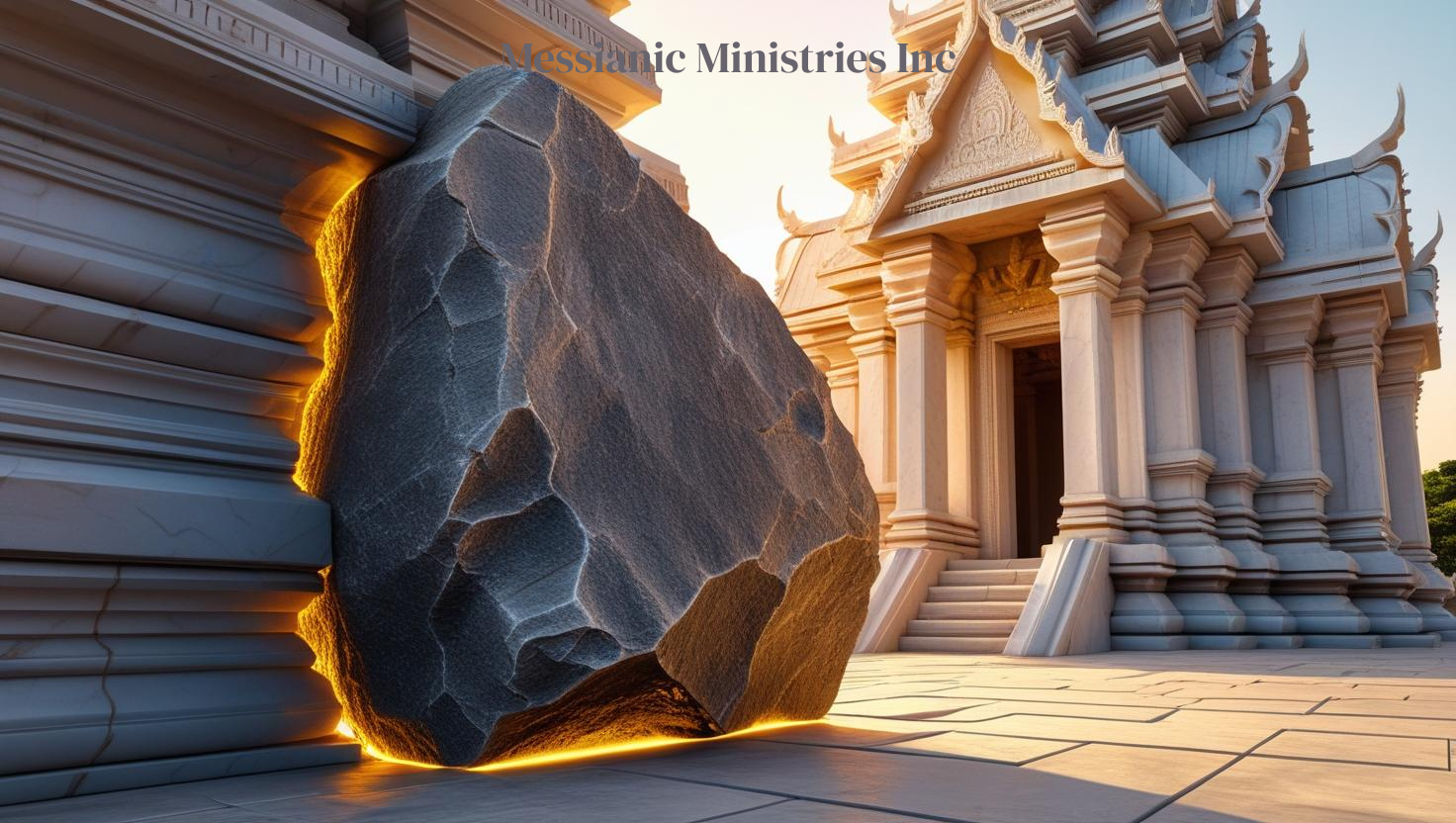
The psalmist proclaims a prophetic enigma: the stone before dismissed has emerged as the cornerstone of God’s everlasting design. This artwork, both simple and profound, directly alludes to the Messiah. In the perception of Israel's leaders, Yeshua of Nazareth did not conform to their anticipations. He was not the aggressive conqueror they desired, but the modest Servant, scorned and repudiated by humanity. In God's perfect plan, the one they rejected became the crucial basis of redemption.
Peter and John cited this text before the Sanhedrin to demonstrate that Jesus is the cornerstone (Acts 4:11). The leaders had certainly rejected Him, surrendering Him to death. However, God resurrected Him, elevating Him as the cornerstone of salvation. The apostle Paul affirms this point, stating that no basis can be established other than that which is established, namely Christ Jesus (1 Corinthians 3:11).
This prophetic statement is "extraordinary in our perception." It attests that divine intentions are not impeded by human repudiation. What humanity rejects, the divine restores. What the world abhors, the Father elevates. The crucified Messiah is now the resurrected cornerstone of a vibrant temple — His followers. As living stones, we are constructed into a spiritual edifice, established in Him (1 Peter 2:5–7).
This verse serves as both solace and adversity for us. We find solace in the knowledge that, despite potential rejection for our beliefs, we are united with the One who was both rejected and ultimately glorified. Challenge, as our life must conform to the fundamental principle. Each stone in a construction derives its form and placement from the cornerstone; similarly, every believer must seek their alignment in the Messiah. His existence serves as our standard, His Spirit as our mentor, His Word as our benchmark.
The Messianic promise articulated here pertains not merely to restoration but to reversal. God elevates the rejected to prominence and transforms the despised into something magnificent. In Messiah, what was previously disregarded becomes crucial.
The cornerstone symbolizes the Messiah, dismissed by humanity yet selected by God.
Divine intentions remain unimpeded by human repudiation.
Believers are living stones, connected with Christ, the foundational cornerstone.
Rejection frequently precedes heavenly elevation.
The Messiah embodies the prophetic symbolism of Psalm 118 through His suffering and splendor. The previously rejected cornerstone has now become our reliable foundation. Let us construct our lives upon Him, astonished that the Lord has transformed the rejected Stone into the magnificent cornerstone of His everlasting edifice.
#Christianity #jesus #christiantiktok #bible #foryou #cogic #cogbf #cog #apostolic #seventhdayadventist #messianicministriesinc #allnations #fgbcf #tiktok #bibleverse #prophetic #fght #paw
The Shepherd Who Lays Down His Life
St John 10:11
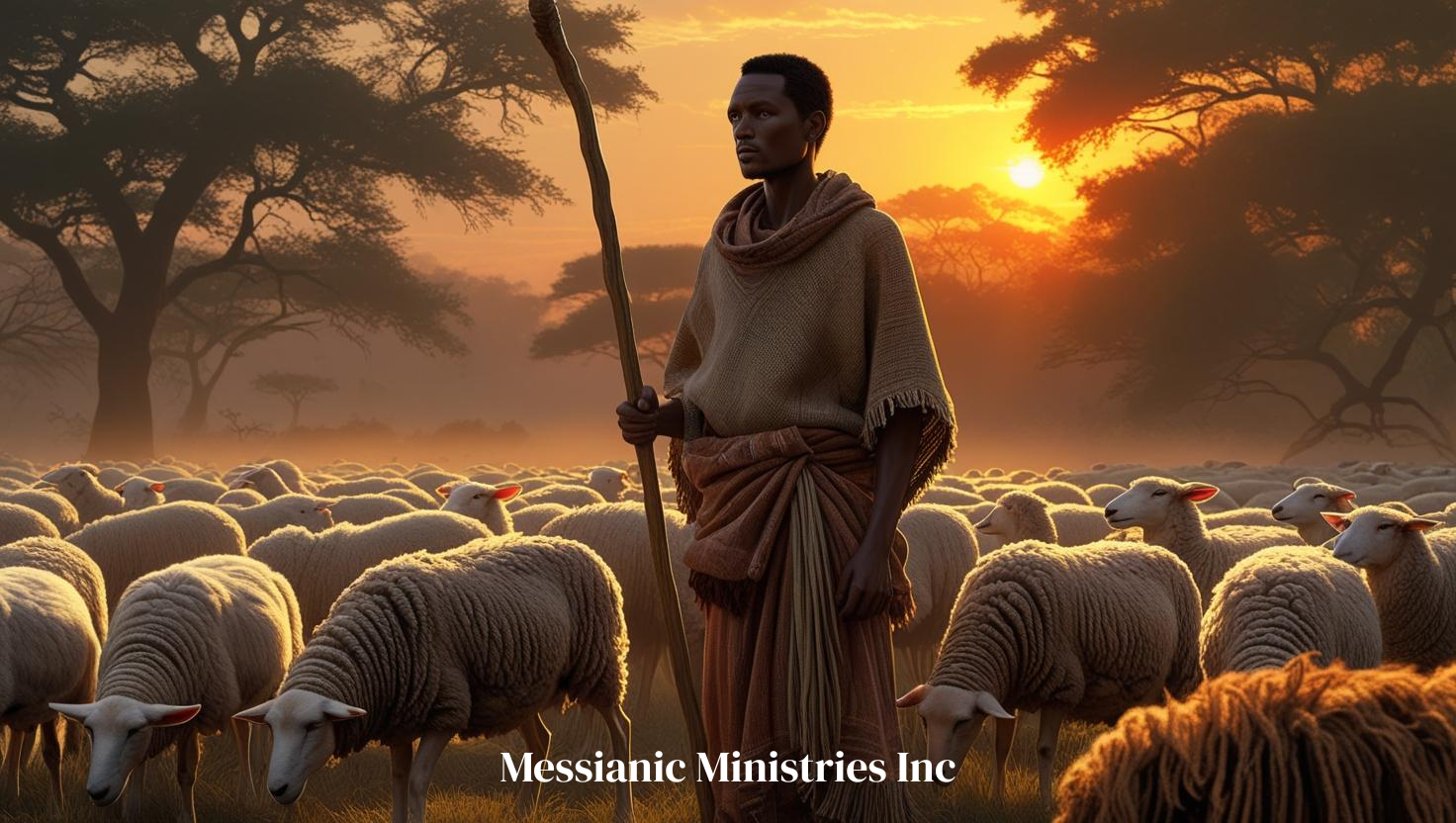
Jesus proclaims Himself as the Good Shepherd, a declaration imbued with Messianic significance and covenantal symbolism. Shepherding was intricately interwoven throughout Israel's history; from Abraham and Jacob to Moses and David, God continuously appointed shepherds to guide His people. In this context, Jesus transcends earthly analogies; He is not only a shepherd who protects and directs, but the One who sacrifices His life for the sheep.
This proclamation discloses both prophetic identity and sacrificial purpose. The Messiah was prophesied as the Shepherd-King who will assemble God's dispersed sheep (Ezekiel 34:23). Israel yearned for a protector who would compassionately nurture them while safeguarding them from the predations of sin, death, and oppression. This hope is fully realized in Christ. His care is non-transactional, and His protection is unconditional. He does not use Himself for remuneration like a mercenary; rather, He wholly dedicates Himself—even unto death—for the sake of His flock.
The Gospel demonstrates that the Messiah's love is not a passive attitude, but an active sacrifice. His death was not the lamentable conclusion of a virtuous existence but the deliberate sacrifice of Himself to redeem His followers. The Messianic promise of atonement is illuminated in this truth. The Good Shepherd did not forsake His sheep to face judgment but instead endured judgment on their behalf.
This chapter illustrates the closeness of the Messiah's relationship with His people. In the ancient Near East, shepherds frequently recognized their sheep by name, addressing them individually. Similarly, Jesus recognizes us intimately, not as an anonymous congregation, but as cherished individuals. His sacrifice was tangible; it was for you, for me, for those who heed His words and follow.
As adherents, we are invited not merely to repose under His guardianship but to embody His shepherding affection in our own lives—nurturing others, interceding for the lost, and advocating for truth, even at personal sacrifice.
* Jesus as the realization of Ezekiel’s prophecy regarding the Shepherd-King.
* The differentiation between the hireling and the genuine Shepherd.
* The sacrificial love of the Messiah as the cornerstone of redemption.
* Personal intimacy: He recognizes His sheep individually. * The exhortation for believers to reflect His shepherding essence.
The Good Shepherd is neither remote nor apathetic—He is the Messiah who sacrificed His life for His flock. In Him, we discover both everlasting security and unwavering affection. To follow Him is to walk under the guidance of One who not only leads but sacrifices His life, ensuring our eternal redemption.
#Christianity #jesus #christiantiktok #bible #foryou #cogic #cogbf #cog #apostolic #seventhdayadventist #messianicministriesinc #allnations #fgbcf #tiktok #bibleverse #prophetic #fght #paw
The Humble Servant, Sovereign King
Isaiah 9:6
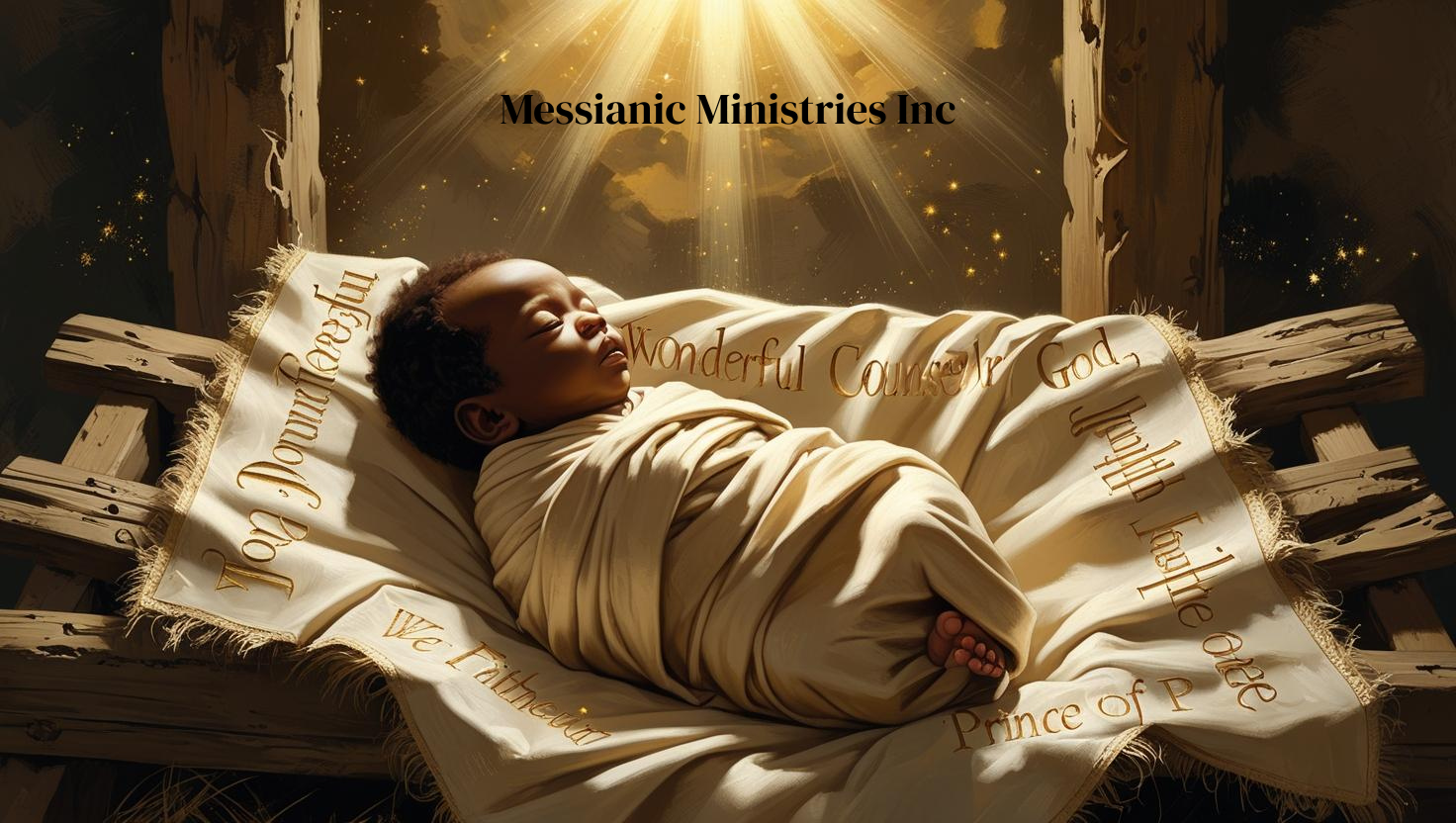
The prophecy in Isaiah 9:6 stands out as a brilliant element in the framework of Messianic anticipation. Conceived amid political upheaval, this passage not only predicts the birth of a child but also asserts His divine nature and everlasting sovereignty. Upon initial observation, the image is delicate: an infant. Embedded inside are titles that reveal his grandeur: Wonderful Counselor, a provider of exceptional wisdom; Mighty God, entirely divine; Everlasting Father, a source of infinite love; Prince of Peace, the bestower of genuine tranquility.
This prophetic narrative embodies the enigma of the Incarnation. In His humanity, He is the infant; in His divinity, He is the "Mighty God," reflecting Micah 5:2 and emphasizing His extraordinary origin. The contrast between vulnerable infancy and heavenly fatherhood invites us to contemplate the paradox of a monarch in swaddling garments.
This verse connects Messianic anticipation with actualized fulfillment. Early Christians, particularly in the Gospel of Luke, perceived Jesus' birth as the realization of this promise. The angels declared "peace on earth" (Luke 2:14), and the governance of His kingdom would be borne upon His shoulders (cf. Luke 1:32–33).
This prophecy confirms for the believer that the Messiah's identity fulfills our profound desires: He leads with divine knowledge, possesses the ability to save, nurtures with eternal love, and rules in peace. In contrast to any terrestrial sovereign, His governance is equitable, His advice impeccable, and His tranquility revolutionary.
Contemplate this: In what manner am I perceiving “Wonderful Counselor” in my life decisions? In which areas do I require the restorative tranquility that only He can provide? In what manner does the concept of the "Everlasting Father" influence my confidence in His provision?
The newborn is the incarnate Messiah—all human and entirely divine.
Every Messianic title elucidates an aspect of His character and purpose.
The prophesy connects the anticipations of the Old Testament with the realizations of the New Testament (e.g., Luke 2).
His dominion embodies wisdom, authority, paternal compassion, and peace unmatched by terrestrial sovereigns.
In the crib rests the King—"Wonderful Counselor, Mighty God, Everlasting Father, Prince of Peace." May this vision today immerse you in the enigma of His being and enhance your confidence in His sovereignty.
#Christianity #jesus #christiantiktok #bible #foryou #cogic #cogbf #cog #apostolic #seventhdayadventist #messianicministriesinc #allnations #fgbcf #tiktok #bibleverse #prophetic #fght #paw