
The Refining Fire of Hope
Romans 5:3-5

The Apostle Paul reveals a divine paradox: we rejoice in adversity. The world shuns hardship, yet the believer views it as the divine crucible for God’s transformation. Tribulation is not devoid of significance; it serves as the crucible in which the Spirit purifies faith into unwavering patience. The Greek term tribulation (thlipsis) literally translates to "pressure."
This pressure, sanctioned and quantified by God, is intended not to oppress, but to nurture. Patience yields experience, revealing character tested amid adversity. Similar to metal forged in heat, the enduring soul emerges sturdy, genuine, and illuminated by the essence of Christ's resemblance. Experience engenders hope, not the tenuous optimism of the world, but a certain expectancy grounded in the Messiah’s completed work. This hope is unwavering, as it is based not on situation, but on covenant.
In the Messianic promise, hope transcends a mere virtue; it embodies the revelation of the indwelling Spirit. The Holy Spirit, bestowed onto our hearts, inundates the believer with divine love, affirming that we are cherished even during hardship. The afflicted saint therefore transforms into a living prophecy: the love of God manifested through perseverance.
The Messiah experienced adversity – derision, crucifixion, and death — yet arose glorified, affirming that tribulation does not hold the ultimate authority. The believer, in communion with Him, engages in the identical redemptive paradigm: suffering transforms into significance; anticipation produces testimony; perseverance flourishes into unwavering hope.
Tribulation refines rather than annihilates - it cultivates patience.
Patience yields demonstrated character (experience).
Tested faith engenders hope rooted in divine love.
The Holy Spirit affirms that our expectation in Christ will not be in vain.
Each difficulty encountered by the believer transforms into a sacred crucible, where divine love incinerates despair and engenders lasting hope. The identical Spirit that resurrected the Messiah now imbues our hearts with the certainty that no adversity can sever our connection to the love of God. In Christ, our sorrow is never squandered – it is transmuted into splendor.
#Allnations #ame #apostolic #baptist #bible #bibleverse #catholic #christianity #christiantok # cme ##cog #cogbf #cogic #fgbcf #fght #foryou ##islam #jesus #messianicministriesinc #paw #prophetic #seventhdayadventist #tiktok #
The Tears of the Intercessor
Hebrews 5:7
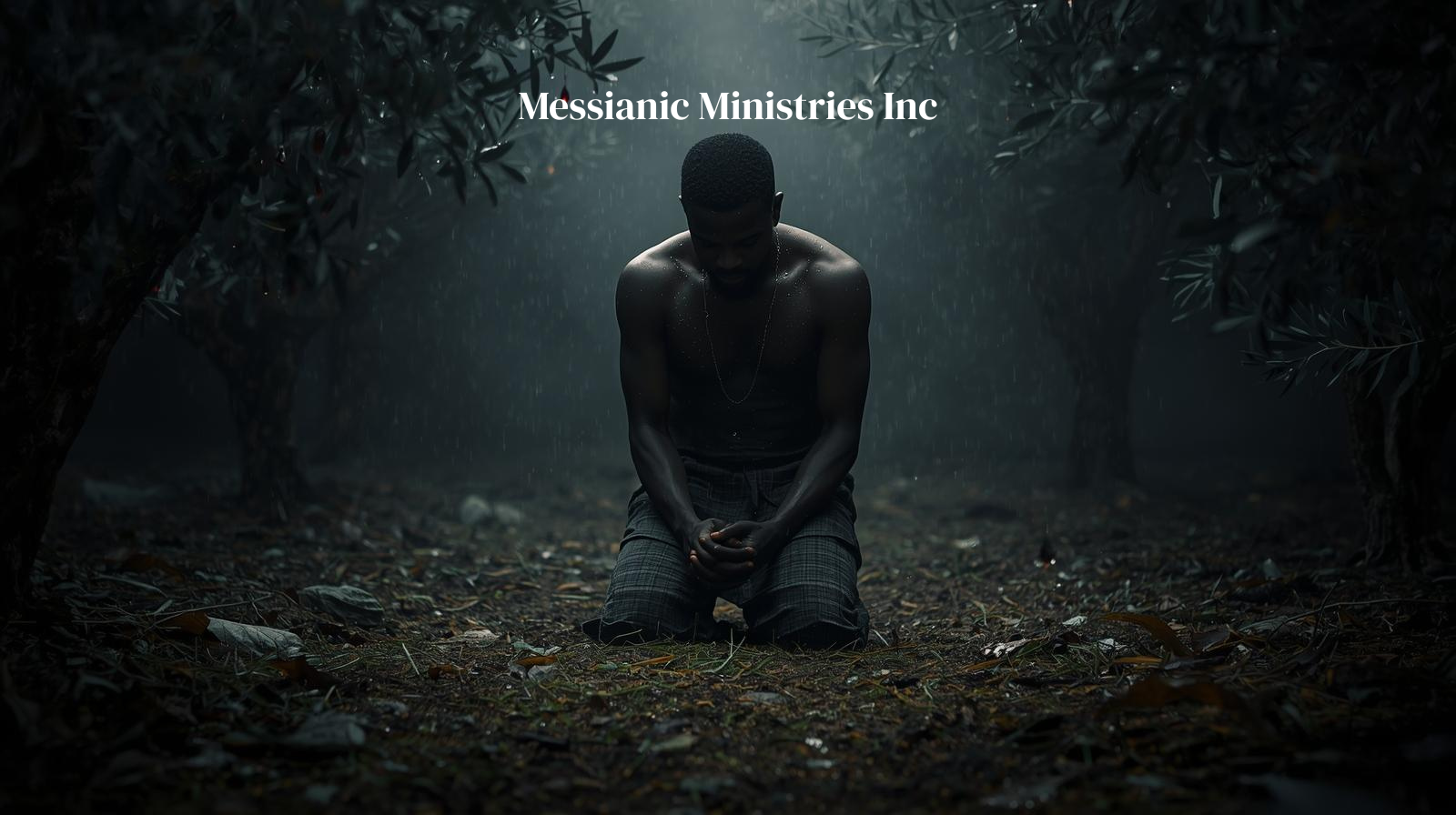
This chapter reveals an aspect of the Messiah frequently obscured by the grandeur of His miracles—the human suffering inherent in divine obedience. Hebrews 5:7 immerses us in the shadow of Gethsemane, where the Son of God transforms into the Son of Suffering. The one who created the worlds now expresses inarticulable groans. The eternal Word proclaims, not in uncertainty, but in profound reverence—“to Him who was capable of delivering Him from death.”
This reveals the Messiah's intercessory nature. His prayers, enveloped in "intense supplication and tears," transcend ordinary emotion; they are prophetic acts of intercession. Each tear epitomized a profound empathy for the human condition. His anguish was not alone for His imminent demise but also for the redemption of all who would attain salvation through His obedience.
The expression “and was heard in that He feared” elucidates the enigma of divine surrender. The Greek term eulabeia denotes reverent awe—a sacred fear arising not from terror, but from deep love and reverence for the Father's desire. Although He was acknowledged, the response did not manifest as liberation from death, but rather through it. The plan for redemption necessitated resurrection rather than evasion.
The Messiah's tears were not weakness, but the embodiment of flawless humanity surrendering to impeccable divinity. Through His screams, He consecrated human suffering; through His tears, He bestowed divine dignity upon sorrow. The intercessor's journey is characterized by empathy—He who prays alongside us has previously prayed for us.
Currently, this same Jesus continues to serve as our High Priest, interceding with empathy derived from experience (Hebrews 4:15). In our sorrow, He comprehends; in our distress, He recalls; in our trepidation, He fortifies. His priesthood is everlasting due to the perpetuity of His compassion.
The Messiah's tears signify heavenly compassion rather than human frailty.
Authentic intercession arises from profound obedience to the Father's will.
The Messiah's supplications were acknowledged—not to evade death, but to achieve the victory of resurrection.
Our High Priest continues to intercede with the same compassion today.
The tears of Christ reveal the compassion of heaven. His cries in Gethsemane resonate persistently, not as expressions of defeat, but as affirmations of love. The Intercessor who once lamented for us now governs on our behalf—converting every grief into the assurance of everlasting triumph.
#Allnations #ame #apostolic #baptist #bible #bibleverse #catholic #christianity #christiantok # cme ##cog #cogbf #cogic #fgbcf #fght #foryou ##islam #jesus #messianicministriesinc #paw #prophetic #seventhdayadventist #tiktok #
The Righteous Judge and Defender
Psalm 103:6
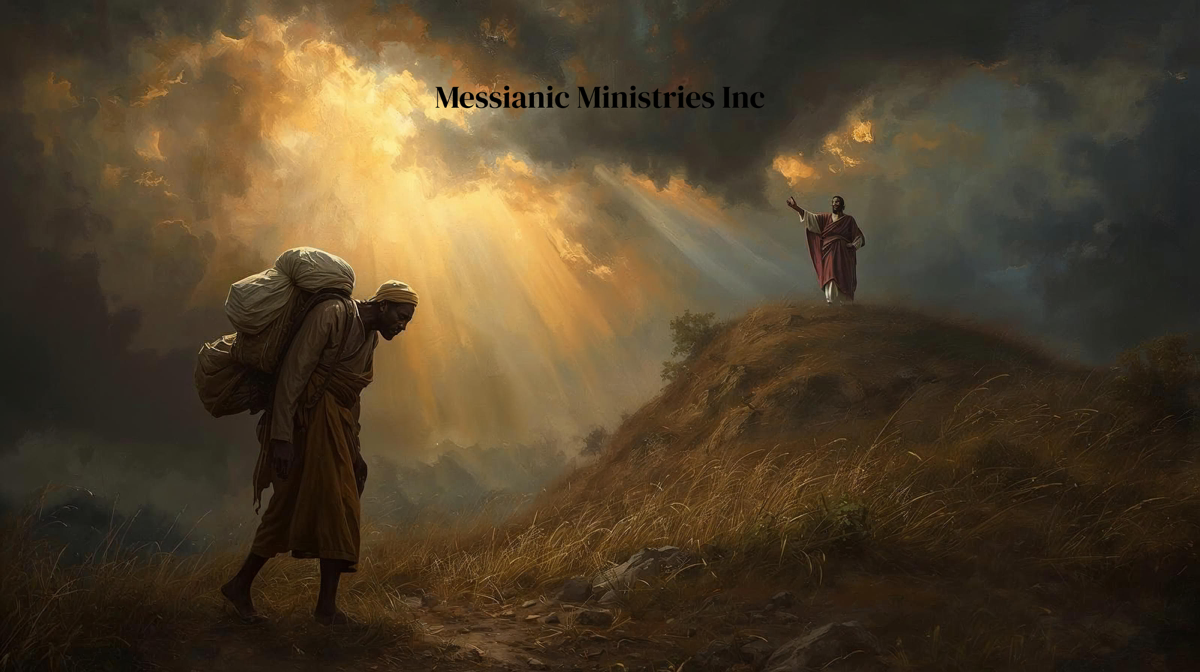
Psalm 103 is a hymn of adoration that emphasizes the covenantal nature of God. David contemplates the benevolence of the LORD, who pardons, restores, redeems, and rejuvenates His people. In verse 6, the poet proclaims God as the Judge and Defender, executing righteousness and justice for all who are oppressed. In contrast to human leaders, who frequently favor the affluent or influential, the LORD intervenes to guarantee the triumph of truth and the establishment of justice.
This verse explicitly indicates the Messianic hope realized in Christ. In Luke 4:18–19, Jesus commences His ministry by referencing Isaiah: “The Spirit of the Lord is upon me…” He has sent me to heal the brokenhearted and to proclaim liberation to the captives... His objective was not solely to instruct but to exemplify divine justice. He arrived for the fatigued, the imprisoned, the marginalized, and the despondent. The afflicted of each generation discover in Him not merely a compassionate listener but also a formidable Deliverer.
Messianic prophesy discloses a Sovereign who embodies both Shepherd and Judge. His dominion is characterized by compassion and veracity, although He does not disregard transgressions. At the cross, justice and judgment intersected—sin was condemned, while sinners were justified via His redemptive blood. This epitomizes Psalm 103:6: the afflicted, shackled by the dominion of sin and Satan, were emancipated through Christ’s victory.
As adherents, we are urged not only to repose in the justice Christ attained for us but also to embody His essence in the world. To embody holiness in our daily lives is to act as representatives of His kingdom, promoting truth, offering mercy, and protecting the vulnerable. By interceding for the downtrodden, we connect ourselves with the divine character of God as revealed in this psalm and realized in the Messiah.
Divine justice is equitable and encompasses the marginalized.
The ministry of Christ represents the realization of this promise (Luke 4:18).
The cross amalgamates righteousness with mercy.
Adherents are summoned to embody the Messiah's righteousness in the world.
Psalm 103:6 transcends a mere revelation of God's nature; it embodies a promise realized in Christ. The just Judge has arrived, the Protector of the downtrodden has prevailed, and His justice persists among His followers until the completeness of His reign is unveiled.
#Christianity #jesus #christiantiktok #bible #foryou #cogic #cogbf #cog #apostolic #seventhdayadventist #messianicministriesinc #allnations #fgbcf #tiktok #bibleverse #prophetic #fght #paw #islam
The Everlasting Light of Messiah
Isaiah 60:20
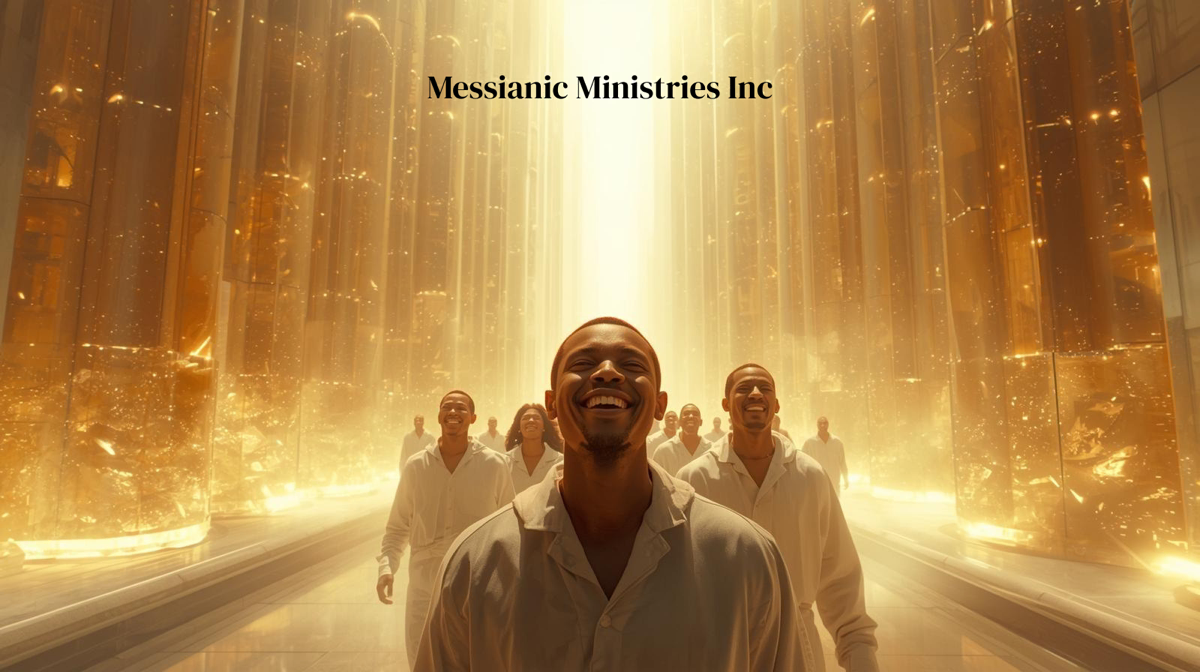
Isaiah 60:20 provides a prophetic insight into a future state that transcends the limitations of the current world. "Your sun shall no longer set; nor shall your moon cease to shine: for the Lord shall be your eternal light, and the days of your sorrow shall conclude."
The prophet Isaiah proclaims that the natural order, characterized by cycles of light and darkness, would ultimately be surpassed by the everlasting brilliance of the Lord Himself. This is not a typical light; it is the divine presence of God radiating continuously among His followers. For Israel, which had suffered through prolonged exile, tyranny, and grief, this vision represented a promise of restoration. Moreover, it directly signifies the fulfillment of Messianic faith in Yeshua, Jesus the Messiah, outside Israel.
In John 8:12, Christ proclaimed, “I am the light of the world; whoever follows me will not walk in darkness, but will possess the light of life.” In Him, the specter of sin and the burden of death are eradicated. He is not a transient luminescence but the perpetual source of illumination. Similar to the sun's rising and setting, and the moon's waxing and waning, our terrestrial pleasures frequently diminish. The light of the Messiah is eternal, unwavering, and triumphant over all darkness.
This prophetic assurance extends into eternity, as reflected in Revelation 21:23: “The city required neither the sun nor the moon for illumination, for the glory of God illuminated it, and the Lamb serves as its light.” Isaiah's prophecy culminates in the New Jerusalem, where sorrow ceases eternally, and God's people reside in perpetual delight.
For the contemporary believer, this represents not merely a future aspiration but also a present reality to embody. Despite the presence of hardships and shadows, the light of Christ illuminates within, providing guidance, consolation, and sustenance. The Spirit of Messiah guarantees that even during periods of sorrow, His everlasting dawn is emerging. Our grief is transient, however His joy is eternal.
Consequently, Isaiah's statements serve as both solace and mandate. We are summoned to traverse as children of light, mirroring the Messiah’s brilliance in a world obscured by sin and despondency. The world must perceive in us the radiance of His eternal presence.
God is the eternal light, transcending both the sun and the moon.
In Messiah, grief ceases and pleasure becomes everlasting.
The prophesy indicates the New Jerusalem, where Christ serves as the Lamb illuminating the city.
Adherents are required to traverse as children of illumination, mirroring the Messiah's brilliance in a dimmed world.
Isaiah 60:20 assures us that the light of the Messiah is everlasting, immutable, and triumphant. Darkness and grief are transient, however Christ’s luminosity is eternal. Let us constantly traverse in His illumination, awaiting the moment when grief concludes, and His splendor radiates eternally.
#Christianity #jesus #christiantiktok #bible #foryou #cogic #cogbf #cog #apostolic #seventhdayadventist #messianicministriesinc #allnations #fgbcf #tiktok #bibleverse #prophetic #fght #paw #islam
Carried
Deuteronomy 32:11-12

This verse alludes to Christ, who embodies the larger Eagle of heaven and supports us. Just as Israel cannot endure without divine guidance, humanity cannot attain salvation without Yeshua the Messiah. He carried us on His shoulders at Calvary, elevating us from the abyss of sin and placing us onto the pinnacle of God's eternal promises. In Him, the covenantal care of God attains its culmination. Christ proclaims, “I am the way, the truth, and the life” (John 14:6), indicating that He alone guides us into the security of the Father’s embrace.
The agitation of the nest is also educational. God occasionally disrupts our comfort, compelling us to enter new realms of trust. Israel had to abandon Egypt's protection to comprehend the fidelity of the God of the wilderness. Similarly, Christ summons His disciples to relinquish worldly attachments in order to cultivate reliance on Him. Although it may seem disconcerting, it represents the affectionate guidance of a Father instructing His children to soar in faith.
The wording highlights exclusivity: “there was no strange god with him.” Divine deliverance is untainted, unblemished, and unadulterated by idolatry. The Messianic fulfillment is that in Christ, the Lord guides us unchallenged and untainted. He is the sole Savior; no other name under heaven has been bestowed upon humanity by which we must attain salvation (Acts 4:12).
This verse guarantees that when we accompany the Messiah, we are not abandoned to struggle alone amidst the storms. His Spirit elevates us, protecting us from ruin and instructing us on how to ascend via grace.
The divine covenant care resembles the strength and protection of an eagle.
The Messiah actualizes this concept by guiding us towards salvation and renewal of life.
Periods of "nest stirring" serve as divine mechanisms for fortifying faith.
Exclusivity of divine leadership: no foreign deities, no divided loyalties. Only Christ elevates us to heights unattainable by our own strength.
As the eagle elevates its offspring, so the Lord, through Messiah Yeshua, raises us into the heights of His eternal plan. Place your trust in Him to inspire, protect, and support you, for His might is formidable, and His compassion is unwavering.
#Christianity #jesus #christiantiktok #bible #foryou #cogic #cogbf #cog #apostolic #seventhdayadventist #messianicministriesinc #allnations #fgbcf #tiktok #bibleverse #prophetic #fght #paw #islam
The Bread of Life
St John 6:35-37
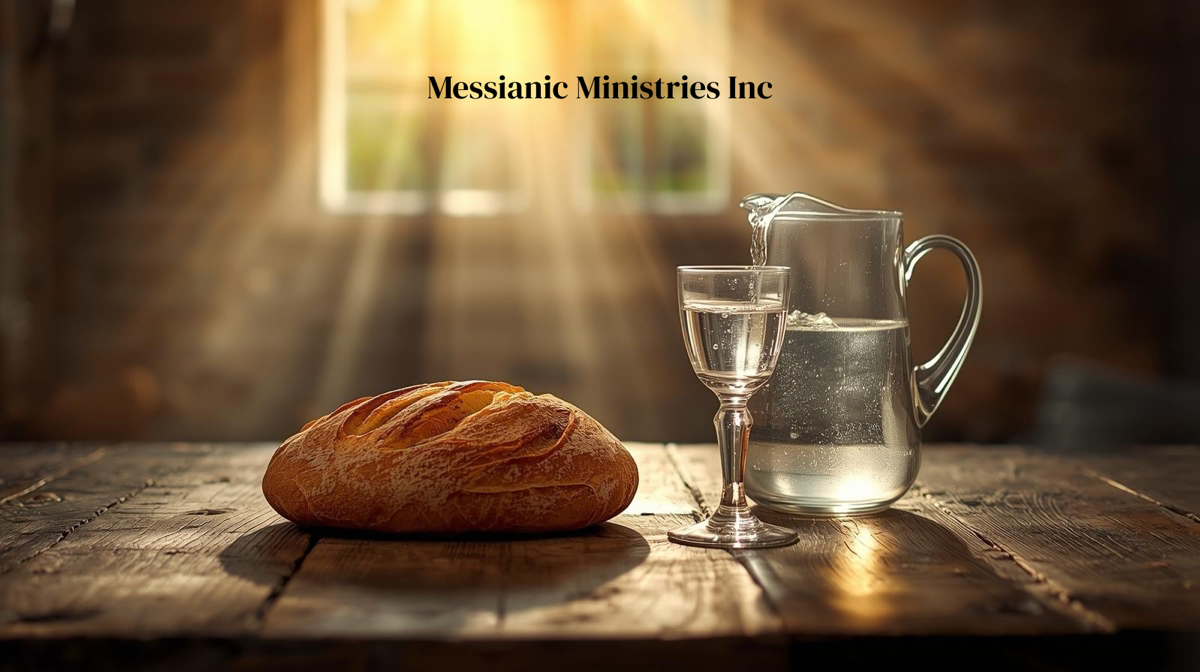
When Jesus declared, “I am the bread of life,” He addressed an audience that had recently observed the miracle feeding of five thousand individuals. They consumed bread that fulfilled their hunger, however their hearts remained unfulfilled. Christ shifts their attention from the transient supply of bread to the everlasting fulfillment found in Himself. He is not simply a provider of sustenance; He is the Sustenance itself. In Him alone resides the nourishment that fulfills both physical hunger and spiritual yearning.
To experience hunger and thirst is to endure the pangs of human necessity. Humanity grapples with this existential abyss, pursuing completion through religion, philosophy, success, or pleasure, while ultimately discovering no enduring contentment. Jesus proclaims that those who approach Him shall never experience hunger, and those who have faith shall never endure thirst. This is a commitment to adequacy—He provides not transient solace but enduring abundance.
Even in His presence, many harbored doubts: "You have seen me, yet do not believe." This elucidates the enigma of faith. Vision does not ensure conviction, as faith is derived from auditory reception and acceptance of the Word of God. Nonetheless, Christ reassures us that those whom the Father entrusts to Him will certainly arrive, and none will be rejected. The Messianic promise signifies an irrevocable and eternal divine acceptance.
This verse emphasizes that Christ is not merely one among various spiritual alternatives but the fundamental source of eternal life. As Israel subsisted on manna in the wilderness, the Christian must consistently engage with Christ—His Word, His Spirit, His presence. He beckons us into everyday communion, wherein our spirits are sustained, rejuvenated, and restored.
Jesus is not merely a supplier of bread; He is the Bread of Life.
Genuine fulfillment is attained alone in Christ, rather than in ephemeral possessions.
Faith, rather than sight, provides everlasting sustenance.
All who approach Him are received and never turned away.
The Bread of Life invites us to engage with Him daily, to have faith and attain everlasting fulfillment. In Christ, hunger abates, thirst is satisfied, and the soul discovers its eternal abode.
#Christianity #jesus #christiantiktok #bible #foryou #cogic #cogbf #cog #apostolic #seventhdayadventist #messianicministriesinc #allnations #fgbcf #tiktok #bibleverse #prophetic #fght #paw #islam
Preserved in the Midst of Trouble
Psalm 138:7
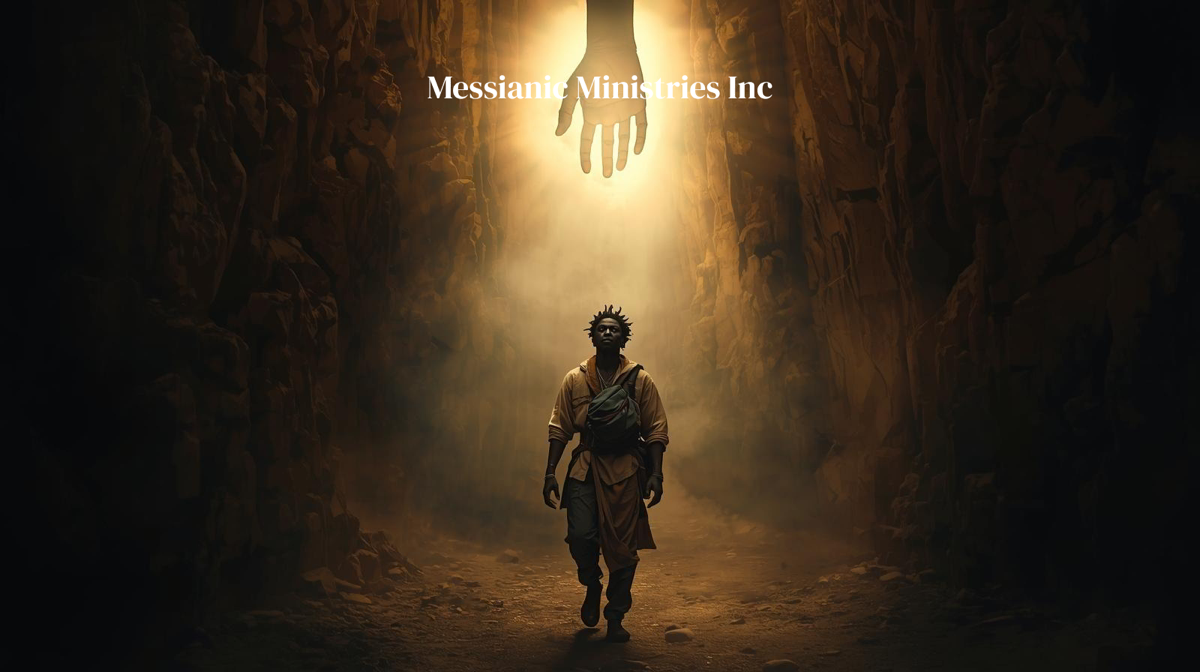
Living in covenant with God does not shield us from experiencing "trouble." The psalmist, David, recognizes that even the divinely anointed face adversaries, animosity, and formidable obstacles. The primary assurance of this verse is not liberation from adversity, but rejuvenation amidst it. The Messianic pattern indicates that God's anointed endures hardship, emerging preserved and glorified through it.
The phrase "thou wilt revive me" embodies the prospect of resurrection. They presage the Messiah, who suffered on the cross, fell into death, and was subsequently resurrected by the might of God. The same heavenly hand that resurrected Jesus is offered to us, revitalizing exhausted spirits and protecting against consuming powers. The psalmist perceives not just salvation but also the proactive action of God: “thy right hand shall save me.” In Hebrew thinking, the right hand symbolizes strength, authority, and victory. In Christ, the right hand of God is manifested, positioned at the Father’s throne, perpetually interceding for His followers.
When adversaries emerge—be they exterior threats or internal struggles of dread, doubt, and despair—the believer remains safeguarded. This preservation is active. God actively extends His hand, transforming wrath into testimony and difficulty into progress. The rebirth anticipated here encompasses not merely survival, but also rejuvenation. The fatigued traveler is invigorated to go, imbued with renewed enthusiasm and celestial confidence.
The psalm directs us towards the Messianic truth: in Christ, our tribulations are not conclusive, but rather the arena in which God's intervention is most magnificently revealed. His presence does not eliminate the valley; rather, it metamorphoses it into a locus of encounter, testimony, and rejuvenation.
God rejuvenates His people during adversity, not solely subsequent to it.
The Messiah exemplifies this promise through the power of resurrection.
The right hand of God represents His authority and salvific power.
Adversity serves as the platform for the manifestation of God's safeguarding presence.
Our confidence derives not from the lack of adversaries but from the presence of His guidance.
Psalm 138:7 asserts that the believer is not forsaken in adversity but safeguarded by the hand of God. In Messiah Yeshua, this promise is realized—adversity does not prevail, for the right hand of God rejuvenates, supports, and rescues His people.
#Christianity #jesus #christiantiktok #bible #foryou #cogic #cogbf #cog #apostolic #seventhdayadventist #messianicministriesinc #allnations #fgbcf #tiktok #bibleverse #prophetic #fght #paw #islam
From Servant to Son
Galatians 4:7
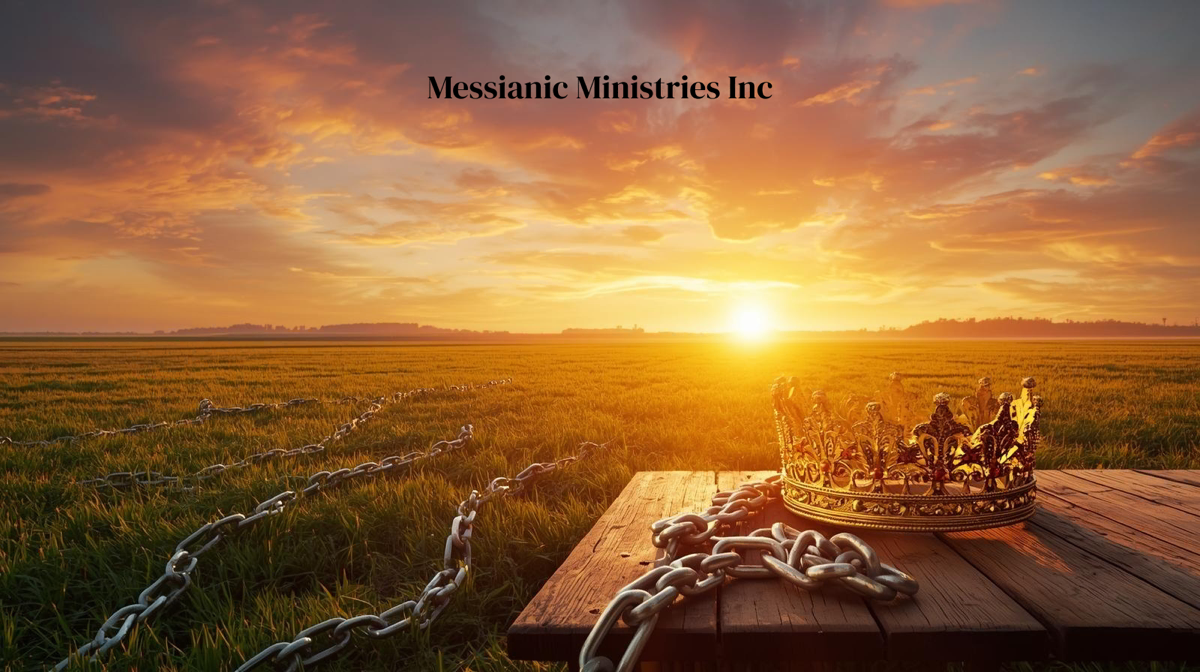
Paul's message to the Galatians echoes the essence of the Messianic promise: in Christ, one's identity undergoes transformation. The Gospel does not position us as remote servants only attempting to satisfy a master; instead, it incorporates us into the household of God as cherished sons and daughters. This transition from servitude to sonship encapsulates the core of salvation.
In antiquity, a servant resided in the master's household but possessed no rights to inheritance. A son, nonetheless, served as the heir to all that the father owned. Through the Messiah, God has embraced us, transitioning us from servitude under the law to liberation in His grace. The crucifixion of Christ broke the bonds of condemnation and introduced the Spirit of adoption, allowing us to exclaim, “Abba, Father” (Romans 8:15).
Being an heir of God via Christ entails not just anticipating future glory but also experiencing immediate access to the Father's presence, resources, and affection. The Spirit affirms our new identity, directing us from fear towards closeness with God. This promise actualizes Israel's prophetic expectation: that in the Messiah, the covenant will expand, offering not merely redemption but familial reconciliation.
Believers frequently maintain a servant's mentality—striving, apprehensive, and uncertain of God's acceptance. Paul urges us to recognize the essence of grace. The Messianic promise guarantees that our heritage is bestowed rather than earned. Christ, the Firstborn, imparts to us the riches of heaven. This inheritance encompasses eternal life, the indwelling of the Spirit, triumph over sin, and the confidence of God's support.
The transition from servant to son is a commissioning. Male offspring bear the family surname and embody the father's traits. As heirs, we are summoned to embody maturity, exemplifying Christ to the world. The freedom granted to us is not for indulgence but for existence in accordance with God's purpose.
Christ converts us from servants to sons.
Adoption fosters a profound connection with God as "Abba, Father."
Our inheritance is assured in Christ, not attained via deeds.
We are summoned to exist in the liberty and dominion of sonship.
Through the Messianic promise, we exist not as subjugated individuals in terror but as sons and daughters embracing the Father’s love, inheritors of His eternal kingdom through Christ Jesus.
#Christianity #jesus #christiantiktok #bible #foryou #cogic #cogbf #cog #apostolic #seventhdayadventist #messianicministriesinc #allnations #fgbcf #tiktok #bibleverse #prophetic #fght #paw #islam
A Ransom Found
Job 33:24
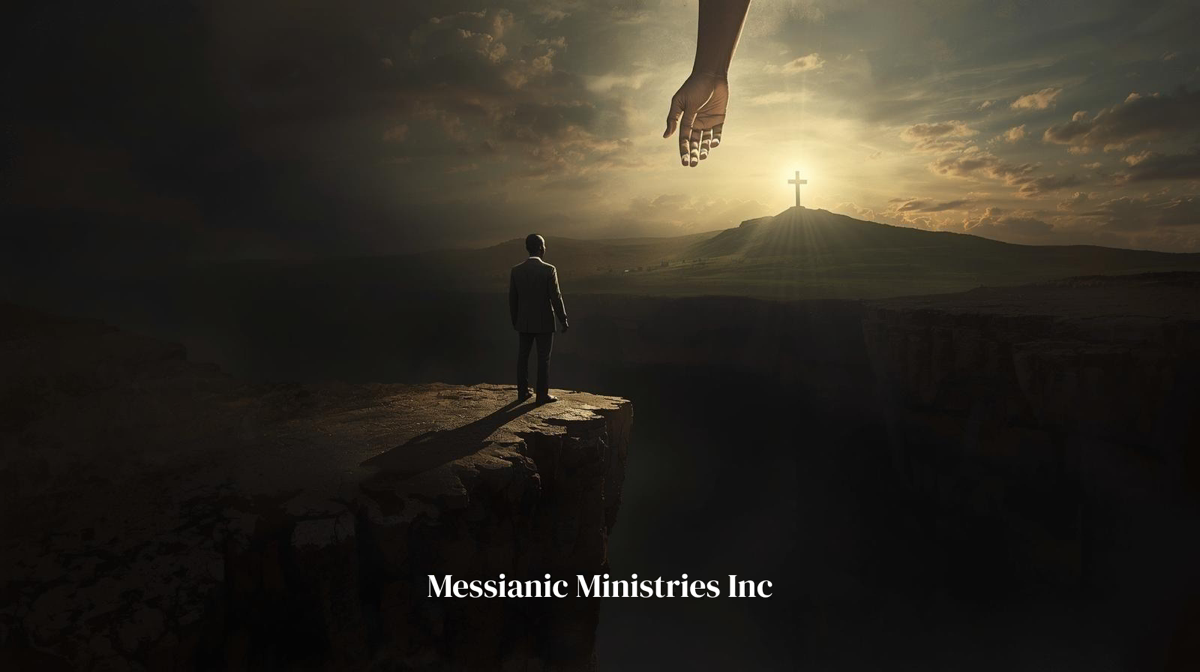
Amid Elihu's presentation to Job, this verse serves as a prophetic beacon illuminating the essence of the gospel. The terminology is both judicial and redemptive: humanity is culpable and fated for the abyss—a metaphor for judgment, mortality, and estrangement from God. However, the pivotal moment occurs when God proclaims, “Deliver him … I have discovered a ransom. The transgressor is absolved, not because to merit, but because God has Himself supplied the cost of salvation.
The Hebrew term for "ransom" (kopher) encompasses the concepts of covering, atonement, or substitution. It presages the blood that atones for sin, prefiguring the Lamb of God who removes the sin of the world (John 1:29). In this ancient biblical text, the Spirit reveals the enigma of the Messiah's vicarious atonement. Humanity cannot extricate itself from the abyss via mere effort, nor can virtuous actions settle the obligation. Only a substantial and divinely ordained ransom may redeem the culpable.
The Messianic fulfillment is unequivocally evident: Yeshua proclaimed, “The Son of man came … to give his life a ransom for many” (Mark 10:45). The abyss that confronted us was traded for the assurance of existence because He fulfilled what we could not. At Calvary, divine grace and justice intersected, and the redemption was attained through blood more valuable than silver or gold.
This verse affirms God's proactive role in salvation. It is not humanity that discovers the ransom; it is God who proclaims, “I have found it.” Redemption is the work of God from inception to conclusion, originating from divine grace and fulfilled through the Messiah's obedience unto death. Consequently, our hope is unwavering, grounded not on human effort, but in the completed work of Christ.
The pit symbolizes judgment and alienation from God.
The ransom (kopher) immediately signifies the Messiah’s redemptive blood.
Salvation is initiated by God: He provides the ransom, not humanity.
Yeshua serves as the redemption for many, so fulfilling this age-old promise.
Grace and salvation emanate from divine kindness, rather than human achievement.
Job 33:24 indicates that, prior to Calvary, God had already ordained redemption. The abyss was tangible, the remorse inescapable, yet the redemption was discovered in the Messiah. Today, let us find solace in the certainty that the cost has been settled, and our salvation is granted by the benevolent hand of our Redeemer.
#Christianity #jesus #christiantiktok #bible #foryou #cogic #cogbf #cog #apostolic #seventhdayadventist #messianicministriesinc #allnations #fgbcf #tiktok #bibleverse #prophetic #fght #paw #islam
Sanctified by the Same Father
Hebrews 2:11
The author of Hebrews reveals a significant mystery: the sanctifier and the sanctified originate from the same source. Christ, the sanctifier, and we, the sanctified, are connected in the Father's everlasting design. This relationship is not abstract; it is family. This is why Jesus is unashamed to refer to us as His brethren.
In antiquity, shame was intricately linked to honor and identity. Association with the destitute, the shattered, and the immoral would incur disgrace. Nevertheless, the eternal Son of God voluntarily associates Himself with us. He embraced our humanity, endured our frailties, and participated in our suffering—so that through His obedience, death, and resurrection, we may be consecrated to God.
The term sanctify refers to consecration—being rendered sacred for divine purpose. We are not only absolved; we are transformed. Sanctification is the work of Christ enacted by the Spirit, extracting us from the world's corruption and into God's holiness. However, Hebrews asserts that sanctification occurs exclusively in Christ, not apart from Him. Our sanctity is not self-generated; it emanates from the One who consecrates.
This reality redefines identity. Christ refers to us as brethren—not as distant servants or tolerated strangers, but as family united in love. He is the Firstborn among numerous brethren (Romans 8:29), and His sanctification of us affirms our participation in His inheritance.
For the believer, this signifies that neither shame, guilt, nor estrangement can sever this connection. The embrace of Christ characterizes our identity. In a fragmented world, Hebrews 2:11 emphasizes that our authentic identity is discovered in communion with Christ—sanctified, cherished, and unequivocally designated as His own.
Christ serves as both the sanctifier and the entity that links us to Himself.
Believers are sanctified not in solitude but in communion with Him.
Jesus is unashamed to refer to us as His brethren—our identity is anchored in His love.
Sanctification transforms us into God's sacred family.
Hebrews 2:11 asserts that our sanctification is both the endeavor of Christ and the manifestation of our affiliation with Him. We are His brethren, sanctified by His grace, accepted without shame, and destined for the fullness of His glory.
#Christianity #jesus #christiantiktok #bible #foryou #cogic #cogbf #cog #apostolic #seventhdayadventist #messianicministriesinc #allnations #fgbcf #tiktok #bibleverse #prophetic #fght #paw #islam
The Promise of Hope and a Future
Jeremiah 29:11

Jeremiah 29:11 is a highly esteemed promise in Scripture, addressed to a populace in exile. The Israelites were exiled to Babylon, confronting misery, uncertainty, and a crisis of identity. Amid their relocation, God delivers a prophetic message of reassurance. His word served not just to provide immediate solace but also to remind of His sovereign plan that transcends imprisonment and leads to restoration.
God proclaims, “I am aware of the intentions I hold for you.” This confirms His profound knowledge and deliberate desire. The Hebrew term for "thoughts" (machashavot) signifies meticulous designs, plans formulated with sagacity. In Christ, this fact is emphasized: God's thoughts toward us are intentional and redemptive, intricately integrated into the broader fabric of the Messianic promise.
Observe the profound contrast—His intentions are "thoughts of tranquility, and not of malevolence." In Babylon, Israel apprehended abandonment; nonetheless, the Lord elucidated that their exile constituted discipline rather than annihilation. Similarly, the believer may experience periods of hardship; yet, through Messiah Jesus, pain is transmuted into hope. Paul reiterates this point in Romans 8:28: “We understand that all things collaborate for the benefit of those who love God, for those who are chosen according to His purpose.”
The expression "to give you an expected end" signifies the certainty of fate. The Hebrew conveys the concept of a hopeful future. For Israel, it represented the assurance of restoration and reconstruction. For us, it represents the culmination of God’s purpose in Christ—the inheritance of eternal life, the restoration of all things, and the realization of His kingdom promises.
Consequently, Jeremiah 29:11 is not an ambiguous optimism, but a prophetic assertion grounded in covenant loyalty. God does not only desire our welfare; He governs history, orchestrates salvation, and ensures our ultimate destiny in Christ. In Him, exile transforms into restoration, despair into hope, and brokenness into tranquility.
Divine intentions are deliberate, sagacious, and individualized.
His considerations for us are restorative, not detrimental.
Christ actualizes this promise by transforming imprisonment into liberation.
Our future is assured in Him, with hope as its cornerstone.
Jeremiah 29:11 underscores that neither exile, trial, nor doubt can disrupt God's design. Through Messiah Jesus, we obtain a future imbued with hope, grounded in His eternal purpose and adorned with His peace.
#Christianity #jesus #christiantiktok #bible #foryou #cogic #cogbf #cog #apostolic #seventhdayadventist #messianicministriesinc #allnations #fgbcf #tiktok #bibleverse #prophetic #fght #paw #islam
The Shield of Glory
Psalms 3:3
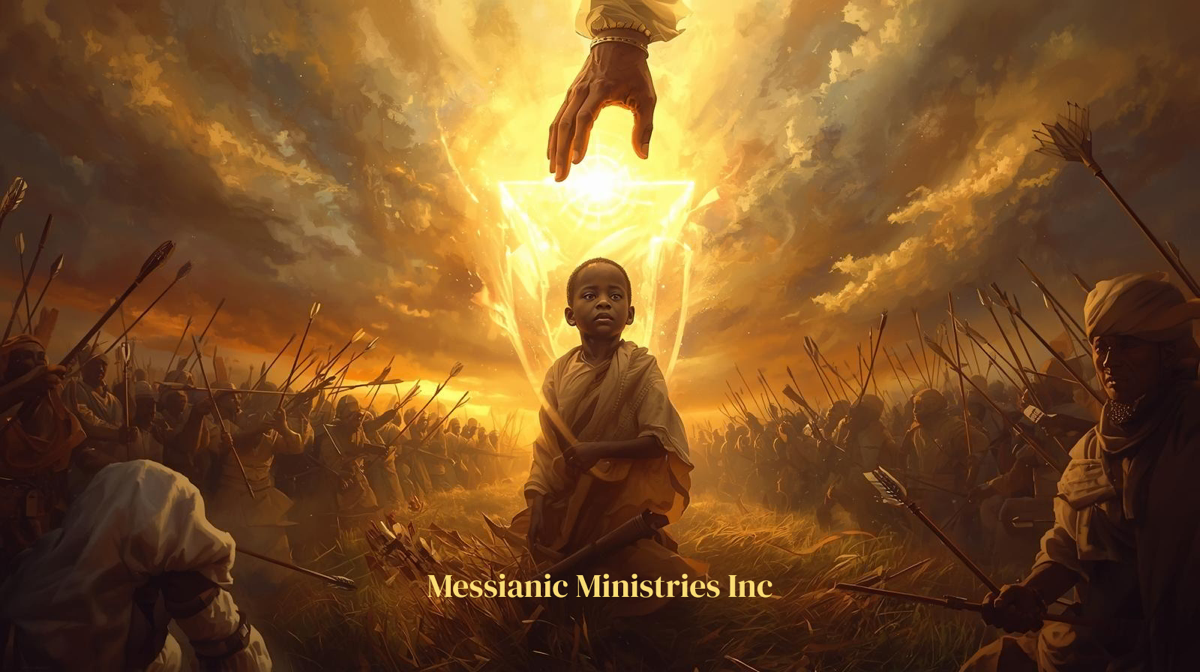
David composed this psalm while evading his son Absalom, betrayed and pursued by former allies. Encircled by foes, the king experienced the burden of humiliation and despondency. Amidst treachery, he proclaimed the LORD as his protector, his honor, and the one who elevates his countenance.
This verse illustrates the realization of messianic hope in Yeshua, the Son of David, who experienced betrayal, derision, and the schemes of adversaries. The cross was intended to humiliate Him; nevertheless, in His resurrection, the Father served as His protector and exalted Him in glory. Through Christ, we also share in this promise of divine protection and elevation.
The shield is not solely protective equipment; it symbolizes the all-encompassing presence of God. He not only deflects the adversary's missiles; He envelops His children, shielding them with His covenantal love. As Israel was protected by the cloud of glory in the wilderness, we are similarly safeguarded by the presence of the Messiah today.
The expression "my glory" affirms that our honor, identity, and value reside solely in the LORD, rather than in titles, wealth, or human validation. For David, divested of his sovereignty and deceived by his kin, God persisted as his genuine sovereign. Similarly, for the Christian, Christ represents our grandeur. Even when the world diminishes us, His Spirit within us radiates more brilliantly than any terrestrial humiliation.
Ultimately, the Lord is the "exalter of my countenance." When humiliation overwhelms us and sin and sorrow encumber us, God does not abandon us to despair. Through the Messiah's triumph, our heads are elevated—not in arrogance, but in restored assurance. This elevation evokes the hope of resurrection, the last ascension when we will be raised incorruptible, our heads adorned with eternal pleasure.
Consequently, Psalm 3:3 serves not only as David’s expression of faith but also as a prophetic proclamation of the Messiah who protects, honors, and elevates the countenance of all who place their trust in Him.
The LORD serves as a shield of divine presence, transcending mere protection.
Our pride resides in Him, not in terrestrial titles or validation.
God elevates the humbled, reinstating dignity through Christ.
This verse anticipates the Messiah's exaltation and our hope for resurrection.
Dearly beloved, when adversaries encircle you and despair looms, recall the messianic assurance of Psalm 3:3—The Messiah protects you, adorns you with His splendor, and elevates your countenance in triumph.
#Christianity #jesus #christiantiktok #bible #foryou #cogic #cogbf #cog #apostolic #seventhdayadventist #messianicministriesinc #allnations #fgbcf #tiktok #bibleverse #prophetic #fght #paw #islam
The Blessing of God’s Presence
Genesis 30:27

Laban admits that the Lord's blessing is upon him due to Jacob's presence. This moment illustrates a profound biblical truth: the covenantal grace of God upon His elect not only alters their inner existence but also emanates forth, influencing people in their vicinity. Jacob, although enduring adversity and coercion, upheld the promises of Abraham—the lineage from which the Messiah would emerge. Wherever the covenant-bearer traveled, the shadow of that promise materialized in concrete blessings.
The Messianic theme is evident here. Similar to Laban's advantage from God's favor upon Jacob, contemporary society derives profit from the blessing of Messiah Yeshua. Through Him, God's covenant has been broadened beyond a single household and nation, encompassing all who believe. The Apostle Paul elucidates this enigma by stating, “If you belong to Christ, then you are Abraham's descendants and heirs according to the promise” (Galatians 3:29). In Messiah, the grace that formerly belonged only to Abraham's progeny now extends to all who are incorporated into the covenant via faith.
This excerpt also confronts us on a personal level. Jacob suffered abuse and deceit, yet the divine favor upon his life remained undiminished. Despite opposition, God rendered His efforts profitable. For the faithful, this serves as a reminder that no situation or opponent can impede the will of God. His pledge is not dependent on human equity but on heavenly fidelity.
Furthermore, Laban's epiphany presages the eventual recognition by countries of the benediction of the Messiah's dominion. Zechariah foretells: “Ten men shall grasp… declaring, We will accompany you: for we have heard that God is with you” (Zechariah 8:23). The world will acknowledge that the wealth, peace, and hope they seek can solely be attained through the Anointed One.
The benediction of God's covenant extends to those in proximity to His followers.
Jacob's existence exemplifies that God's assurances persist in the face of adversity.
In Messiah Yeshua, the benediction of Abraham encompasses all nations.
The world will eventually acknowledge God's existence among His selected individuals.
The presence of the Messiah in our lives is not a concealed treasure but a luminous blessing that influences all that surrounds us. As Jacob bore the covenant promise into Laban's home, we are similarly tasked with conveying the presence of Christ into the world, enabling others to perceive and recognize that the Lord has blessed them for His sake.
#Christianity #jesus #christiantiktok #bible #foryou #cogic #cogbf #cog #apostolic #seventhdayadventist #messianicministriesinc #allnations #fgbcf #tiktok #bibleverse #prophetic #fght #paw #islam
By This Shall All Know
St John 13:35

In the upper room, on the eve of His betrayal, Yeshua delineates a criterion of discipleship grounded not in ritual, intelligence, or external symbols, but in love. He asserts that the world will identify His adherents not by emblems on attire, articulate speech, or miraculous acts, but through the lasting evidence of mutual love. This love transcends superficial fondness; it embodies the sacrifice and unwavering devotion exemplified by His act of laying down His life.
Messianic identity is rooted in the contemplation of the Messiah's essence. As Israel was identified in the covenant via adherence to God's law, the New Covenant society is similarly characterized by the law of love inscribed on hearts by the Spirit. Love actualizes the Torah, as it guides us beyond self-interest towards divine concern—the welfare, honor, and dignity of others.
In the absence of love, the world perceives nothing but hypocrisy. When love is genuine, it serves as the most compelling justification for the gospel. The fragrance of the Messiah tenderizes calloused hearts and incites exploration of the hope residing within us. Love converts communities into vibrant sanctuaries where reconciliation is attainable and the kingdom of God is manifested on earth.
This verse serves as both a directive and a pledge. The directive: to love one another as Christ has loved us. The assurance: that such love will unequivocally convey to the world our allegiance to Him. This is not optional but imperative—it is the quintessential hallmark of discipleship. In an era characterized by division and mistrust, the Messianic imperative is unequivocal: let love proliferate abundantly.
The hallmark of authentic discipleship is internal rather than exterior, manifested through love.
Love represents the tangible realization of the Torah in the Messiah.
A compassionate community serves as the most evident testament of the gospel to the world.
Love constitutes both a mandate and a pledge: mandated by Christ, pledged as a testament of allegiance to Him.
Let us follow the example of the Messiah, uniting ourselves in a love that surpasses divisions, mends injuries, and bears witness to the One who loved us first. By loving one another, we manifest to the world the unmistakable hallmark of genuine discipleship.
#Christianity #jesus #christiantiktok #bible #foryou #cogic #cogbf #cog #apostolic #seventhdayadventist #messianicministriesinc #allnations #fgbcf #tiktok #bibleverse #prophetic #fght #paw #islam
The Secret Place with the Father
St Matthew 6:6

In these statements, our Messiah elucidates the fundamental nature of relationship with the Father. At its core, prayer transcends public acknowledgment, eloquence, or performance; it centers on intimacy. Christ leads His disciples away from the ostentation of religious rituals into the sanctified intimacy of the Father's presence.
The directive to "enter into thy closet" symbolizes a retreat from distractions and commotion. It refers not merely to a physical location but to the inner sanctum of the heart. The closing of the door signifies a deliberate rejection of human adulation, the temptation of vanity, and worldly distractions, allowing the soul to concentrate entirely on God.
This principle was exemplified by Yeshua Himself. Repeatedly, we observe Him withdrawing to mountains, gardens, and secluded locations for prayer. He exemplified what He currently imparts—closeness with the Father is the source of strength, tranquility, and meaning. The One who would be crucified to reconcile us with God invites us to the same concealed communion that sustained Him.
The profundity of this promise is heightened by the accompanying assurance: “thy Father which seeth in secret shall reward thee openly.” God, who examines the innermost recesses of the heart, finds joy in unobserved fidelity. The prize extends beyond monetary wealth; it encompasses the transformative grace that emanates from the hidden realm into all facets of existence. The benefits of concealed prayer are joy, strength, wisdom, and boldness in testimony.
This line, within the Messianic context, signifies that the New Covenant has granted access to the presence of God. The veil has been ripped, and through Yeshua’s blood, we are invited not into a man-made temple, but into the live sanctuary of His presence. Consequently, the "closet" is no longer restricted to physical walls; it exists wherever a believer quiets their heart in the presence of the Lord.
Genuine prayer is a matter of closeness rather than performance.
The "closet" serves as both a tangible sanctuary and the innermost recess of the heart.
Yeshua exemplified private connection with the Father as the foundation of His strength.
Divine favor is bestowed not upon external ostentation but upon internal commitment.
The New Covenant provides us with perpetual access to the divine sanctuary with God.
The assurance of Matthew 6:6 invites one into a sacred communion that manifests the invisible into the visible. Upon entering the sacred space with our Father, isolating ourselves from worldly distractions, we experience the presence of the Messiah and obtain the tangible reward of a life molded by divine intimacy.
#Christianity #jesus #christiantiktok #bible #foryou #cogic #cogbf #cog #apostolic #seventhdayadventist #messianicministriesinc #allnations #fgbcf #tiktok #bibleverse #prophetic #fght #paw #islam
The Reflection of the Father
St Luke 6:36
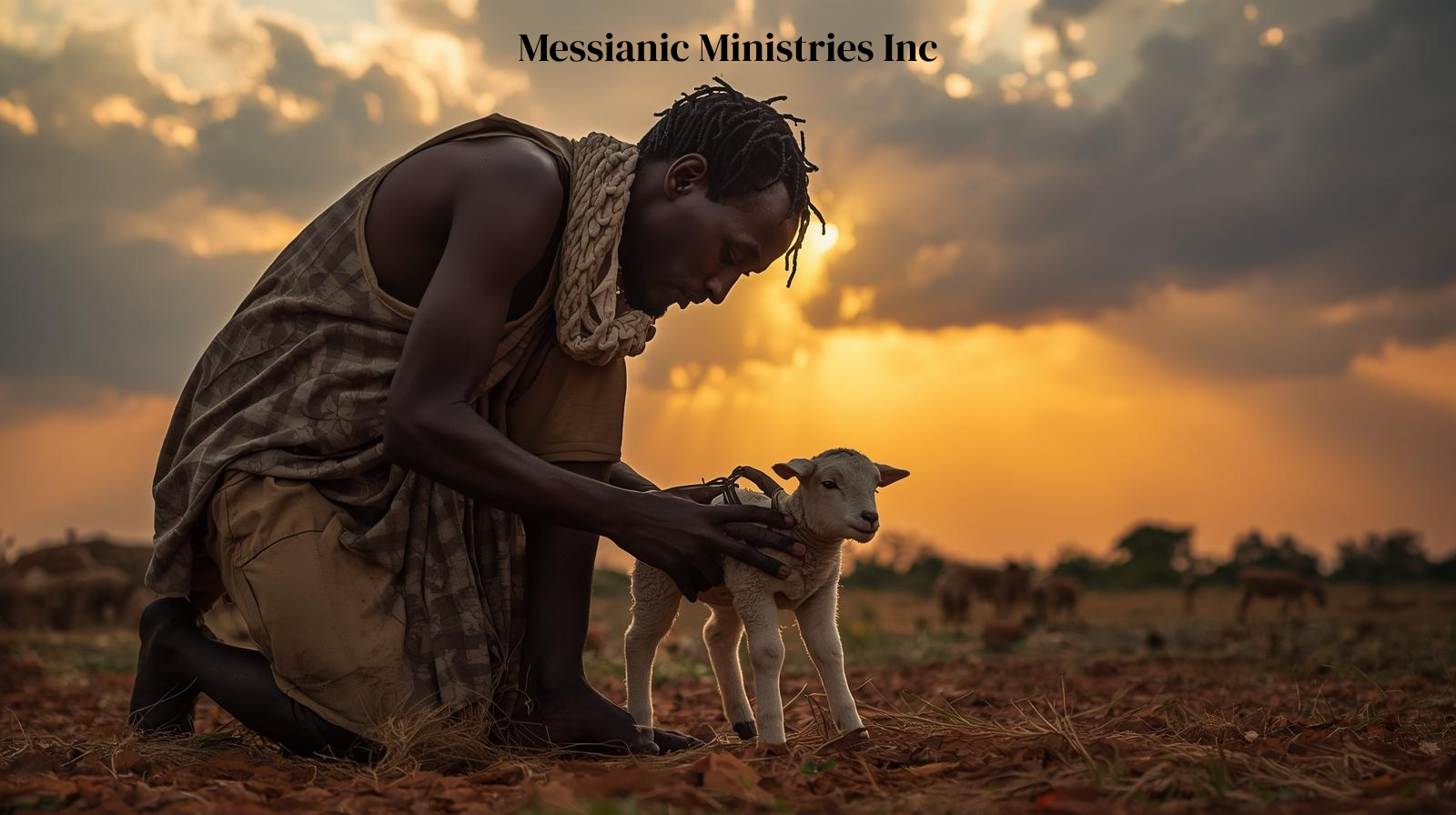
Mercy is not simply a characteristic of God; it is His essence manifested in His interactions with humanity. When Jesus instructs His disciples, “Be ye therefore merciful, as your Father also is merciful,” He urges them to embody the essence of God. Mercy transcends mere pity; it embodies compassion in practice. It transcends judgment and offers unwarranted benevolence, akin to the Father's act via the giving of His Son, Yeshua the Messiah.
From Genesis to Revelation, kindness constitutes the divine thread interlacing the narrative of redemption. Adam and Eve, despite their guilt, were enveloped by God's provision. Israel, despite frequent insubordination, was repeatedly reinstated. Ultimately, mercy manifested in its most complete form at Calvary, where justice and grace converged in the crucified and resurrected Messiah. The Father's mercy is active—it is a relentless love that descends to elevate the fallen, absolves the contrite, and rejuvenates the shattered.
For the believer, the directive is not discretionary but covenantal. Being children of the Father entails reflecting His character. Our environment is characterized by severity, vengeance, and transactional interactions. Individuals who have experienced God's mercies are summoned to a superior standard: to forgive transgressions, exhibit compassion towards the vulnerable, and demonstrate patience in situations where others want retribution. Mercy does not absolve guilt; however, it offers mercy to the penitent, facilitating repentance and healing.
Yeshua exemplified this flawlessly. He made contact with the leper, shared meals with tax collectors, mourned with the bereaved, and pardoned those who crucified Him. His existence epitomized compassion. Following Him entails extending equivalent mercy, even at the expense of our comfort, ego, or self-justification.
Mercy is, in essence, a form of evangelization. When others perceive divine compassion through us, they witness a reflection of the Father's essence. Exercising mercy entails advancing the messianic promise—not merely announcing the Good News but also manifesting it in every engagement.
Mercy embodies the essence of God as manifested in Christ.
To exhibit mercy is to embody our Father's essence.
Mercy constitutes active compassion rather than mere passive sentiment.
Yeshua's existence and atonement exemplify the pinnacle of mercy.
Adherents are urged to demonstrate mercy as a testament to the Kingdom.
The messianic vocation is to embody the Father’s compassion. As beneficiaries of His infinite compassion, we are to serve as channels of His grace. By exhibiting mercy, we reveal the essence of our Messiah and attract people to the heart of the Father.
#Christianity #jesus #christiantiktok #bible #foryou #cogic #cogbf #cog #apostolic #seventhdayadventist #messianicministriesinc #allnations #fgbcf #tiktok #bibleverse #prophetic #fght #paw #islam
The Vision of the Pure in Heart
St Matthew 5:8

This Beatitude, articulated by Yeshua (Jesus) on the Mount, penetrates the core of the Messianic promise. Purity of heart transcends simple external adherence to regulations; it is an inward metamorphosis instigated by the Spirit of God. It is the purification of the inner self, ensuring that motives, desires, and affections are in harmony with the holiness of the Lord.
The expression "pure in heart" resonates with the Levitical mandate of purity prior to approaching God; yet, the Messiah unveils a profound truth: it is not ritualistic observance but relational authenticity, not offerings but genuine intent, that equips one to perceive the Divine. The psalmist proclaimed, “Who shall ascend the hill of the LORD? … He who has clean hands and a pure heart” (Psalm 24:3–4). The promise is astonishing—they will behold God. This is not merely a glorious future vision, but a current revelation. To witness God is to recognize His influence in life's intricacies, to detect His voice amid chaos, and to feel His presence in the intimate realm of prayer.
The Messianic fulfillment resides in Christ Himself. He embodies the tangible representation of the unseen God (Colossians 1:15). To perceive Him via faith is to unveil the essence of God's heart. Moreover, there exists an eschatological hope: in the resurrection, the redeemed will perceive His face without veil or obscurity. The purity of heart is simultaneously a divine gift and an endeavor—bestowed by the blood of the Lamb, yet nurtured through continuous submission, repentance, and obedience.
In a realm obscured by deceit, compromise, and fragmented allegiances, the Messiah summons His adherents to unwavering commitment. Purity is not the flawless execution of actions but the sincerity of intent—devoting oneself entirely to God and authentically to others. When the heart is untainted, perception is lucid. When perception is unclouded, the divine is discerned.
The purity of heart is achieved by the redemptive act of the Messiah's sacrifice.
To embody purity is to exist with unwavering commitment to God.
Experiencing God is both an immediate spiritual actuality and a future eternal assurance.
Integrity of heart fosters lucidity of perception and closeness with the Father.
The assurance of Matthew 5:8 beckons us to the profound joy of the believer: to behold God. Through the Messiah, our souls are cleansed, our perception is renewed, and we witness the glory of the Lord both presently and eternally. Consequently, let us seek purity, for within it we behold the visage of God.
#Christianity #jesus #christiantiktok #bible #foryou #cogic #cogbf #cog #apostolic #seventhdayadventist #messianicministriesinc #allnations #fgbcf #tiktok #bibleverse #prophetic #fght #paw
Fear not, Little Flock
St Luke 12:32

In this succinct yet significant reassurance, Yeshua conveys words of gentle support to His disciples. The term "little flock" conveys the fragility and cherished nature of His followers. Sheep are inherently vulnerable, easily dispersed, and susceptible to fear; but, under the stewardship of the Good Shepherd, they are protected and nurtured. Christ, in His compassion, acknowledges the apprehensions of His disciples as they confronted persecution, uncertainty, and opposition. Nevertheless, His directive is unequivocal: “Do not fear.”
The subsequent pledge is considerably more significant. God does not simply tolerate the granting of His kingdom; rather, it is His "good pleasure" to confer it. This statement signifies profound intentionality and elation. The Father takes pleasure in designating His children as heirs of everlasting glory. The kingdom is not attained via effort, nor acquired by coercion, but generously bestowed. In a realm characterized by ambition, deprivation, and uncertainty, this principle transforms the believer's basis from trepidation to conviction.
The Messianic implication is clear: the Shepherd-King not only protects His sheep but also guides them to their inheritance. Israel, having long anticipated the complete manifestation of God's reign, is told by the Messiah that the kingdom is not far off but already being bestowed. In Yeshua, the King has arrived, and His followers partake in His everlasting reign.
This verse serves as a reminder to contemporary believers that, regardless of our seeming insignificance or lack of influence, we are valued by the Father. Fear is mitigated by the assurance of heavenly favor. The kingdom is not merely a future promise but a current possession, experienced via the Spirit and guaranteed by the blood of the Messiah.
Therefore, we proceed not as orphans seeking mere existence, but as children of the King, assuredly guided by our Shepherd towards wealth, security, and everlasting delight.
"Fear not" — a celestial guarantee against apprehension and uncertainty. “
Little flock” - God values even the apparently insignificant and fragile.
The kingdom is a gift of joy, not hesitation, reflecting the "Father's good pleasure."
Messianic fulfillment — Christ represents the Shepherd-King who bestows His dominion upon His people.
Dear one, be steadfast: you belong to the small congregation under the guidance of the Supreme Shepherd. Fear is ineffectual in the presence of the Father's favor. He takes pleasure in bestowing upon you the kingdom—embrace it with faith, operate within its strength, and repose in its everlasting promise.
#Christianity #jesus #christiantiktok #bible #foryou #cogic #cogbf #cog #apostolic #seventhdayadventist #messianicministriesinc #allnations #fgbcf #tiktok #bibleverse #prophetic #fght #paw
The Weapons of Our Warfare
2nd Corinthians 10:3-5

In this text, Paul emphasizes that while we exist in a realm of physical reality, the genuine conflict for the Christian occurs in the spiritual domain. The Messianic promise is that we engage not with steel swords, but via the Word of God, prayer, and the inherent strength of the Spirit. Our conflict is not with physical beings but with beliefs, perceptions, and structures that aim to displace Christ in the hearts of humanity.
The Messiah Yeshua arrived to liberate captives, not just from exterior persecution but also from internal bondage—strongholds of sin, fear, pride, and deception. Through Him, the believer is endowed with divine armaments capable of dismantling every stronghold established against the knowledge of God. These weapons possess great power as they are grounded in God Himself: truth, righteousness, faith, salvation, the Word, and prayer (Ephesians 6:10–18).
The strongholds Paul delineates are not only temptations but ingrained cognitive habits that oppose God’s truth. In contemporary society, these may manifest as secular doctrines, cultural icons, or personal falsehoods regarding our identity. Through Christ, every exalted argument and insubordinate idea can submit to His rule. This represents not passive obedience, but rather active spiritual discipline. We are summoned to scrutinize every thought—assessing if it elevates itself above Christ, and if it does, dismantling it with the veracity of His Word.
This verse conveys that triumph in the Messiah is characterized by internal transformation rather than exterior domination. Our thoughts, revitalized by the Spirit, transform into arenas where truth prevails over falsehood. The assurance is unequivocal: no fortress is too impregnable, no vision too grand, that it cannot be dismantled by the might of God. The crucifixion of Christ exemplifies this, as it obliterated sin, death, and the reign of Satan.
Therefore, in every conflict—be it intellectual, emotional, or spiritual—we are not without of resources. We are equipped with divine strength, assured in the Messiah, capable of triumph.
Our conflict is spiritual, not corporeal.
Strongholds are dismantled by divine power, not human endeavor.
All thoughts must be submitted to the authority of the Messiah.
Triumph is achieved via the transformation of the mind via God's Word.
The cross serves as the cornerstone of our success.
This text conveys the Messianic promise that through Yeshua, all strongholds can be dismantled, and every mind can be subjected to His authority. Victory is attained by those who rely on the divine armaments bestowed by God, as they possess the strength to ensure our liberation in Christ.
#Christianity #jesus #christiantiktok #bible #foryou #cogic #cogbf #cog #apostolic #seventhdayadventist #messianicministriesinc #allnations #fgbcf #tiktok #bibleverse #prophetic #fght #paw
The Death of Death
Isaiah 25:8
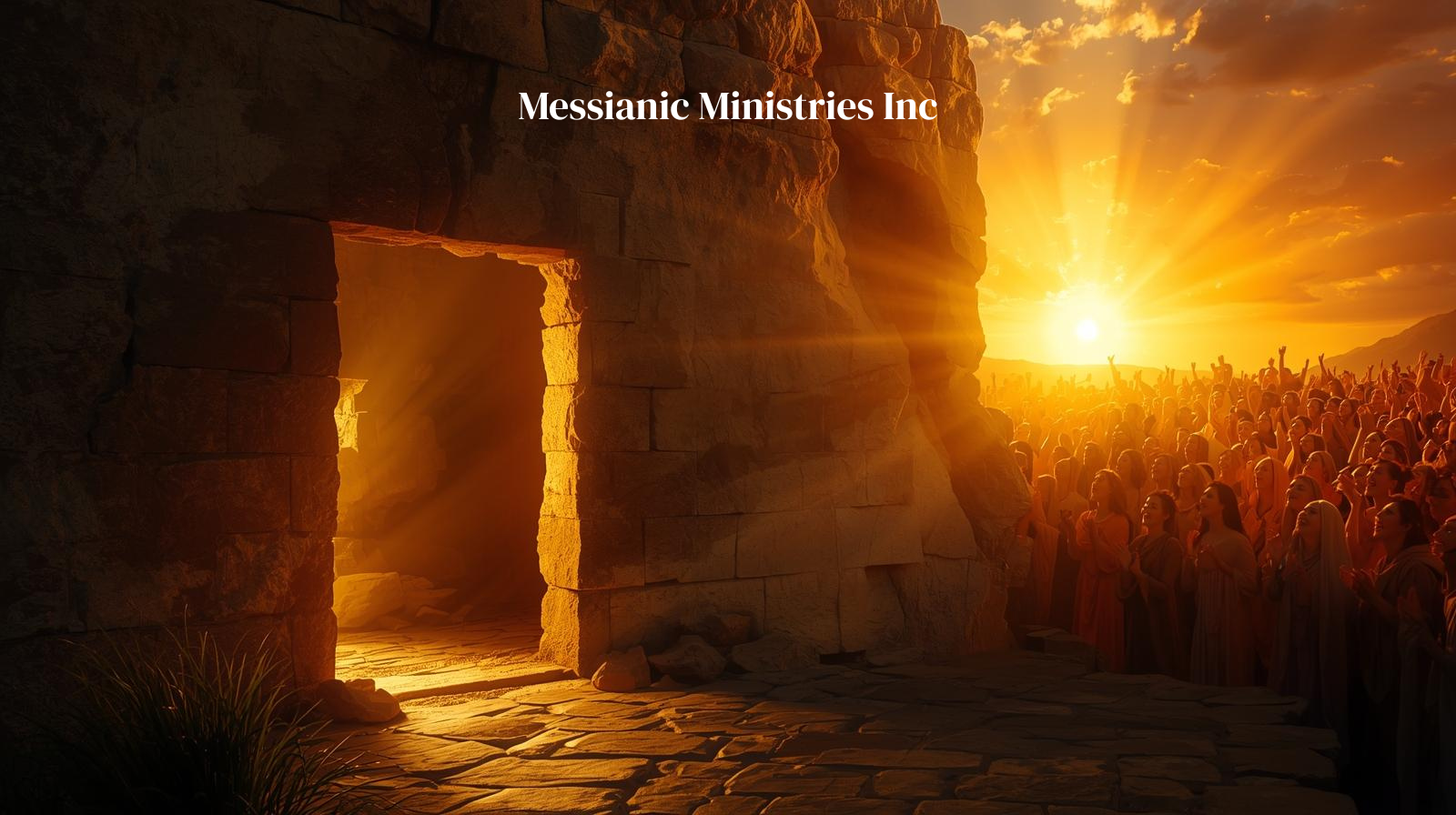
Isaiah's prophetic vision in this verse penetrates the veil of sadness, suffering, and mortality that has afflicted humanity since Eden. The prophet proclaims with majestic audacity that the Lord will conquer death triumphantly. The image is compelling: death, having swallowed many generations, is itself engulfed by the might of God. This reversal anticipates the Messiah's victory, whose resurrection converted the grave from a confinement into a conduit to glory.
The apostle Paul reiterates similar sentiment decades later: “Death is swallowed up in victory” (1 Corinthians 15:54). Paul perceives Isaiah’s vision as realized in Christ’s resurrection and the prospective hope of the redeemed. By means of the crucifixion and the empty tomb, Jesus neutralized death, removing its sting and rendering it impotent for believers.
Equally poignant is the assurance that the Lord will remove tears from all visages. This is not a detached edict but a personal expression of divine benevolence. God Himself condescends to touch the visage of His people, eliminating not only the source of their sadness but also the tangible signs of it. All sorrow and every tear expended in the realm of anguish are acknowledged and restored in His presence.
The Scripture guarantees that He will remove the chastisement of His people from the entire globe. Israel has endured scorn from neighboring nations, and, more broadly, humanity endures the stigma of sin. The Messiah’s atonement eliminates condemnation, justifying the people of God before all creation. No charge can prevail against those enveloped in His righteousness.
The last statement is definitive: for the LORD has declared it. The assurance of this promise is founded not on human endeavor or historical context, but on the unchangeable word of God. What He has proclaimed is infallible. The defeat of death is not a possibility; it is an inevitability that has already commenced with the resurrection and awaits ultimate fulfillment at Christ's return.
Death, previously the consumer, is ultimately consumed by God's triumph.
The resurrection of Christ constitutes the realization of Isaiah's prophetic vision.
God's profound love is manifested in the eradication of every tear.
The admonition of sin and the disgrace of His people are eternally abolished.
The validity of the promise is founded on the unwavering word of God.
In Messiah, the power of death is shattered, grief is obliterated, and the condemnation of sin is removed. We remain hopeful because the Lord has proclaimed, and His word guarantees that the conclusion of death heralds the beginning of eternal life.
#Christianity #jesus #christiantiktok #bible #foryou #cogic #cogbf #cog #apostolic #seventhdayadventist #messianicministriesinc #allnations #fgbcf #tiktok #bibleverse #prophetic #fght #paw