
The Burning Heart of Revelation
St Luke 24:32

This line encapsulates a moment of divine interaction following the resurrection of Yeshua. Two disciples, burdened by disappointment, traversed the path to Emmaus. Their anticipations regarding the Messiah appeared to be irrevocably broken. However, the resurrected Christ manifested—unrecognized—and commenced elucidating the Scriptures to them, from Moses through the prophets, demonstrating how everything referenced Him.
The expression "Did not our heart burn within us" conveys more than mere feeling. It is the awakening of comprehension, belief, and acknowledgment of a divine presence. This fervor is the consequence of Spirit-imbued interpretation of the Word. The Messiah disclosed Himself not via ostentation but by the accurate interpretation of Scripture.
This scene carries significant importance in a Messianic perspective. Yeshua elucidates the Tanakh (Old Testament) as the cornerstone of His identity and purpose. He accompanies His people, even when they fail to notice Him, and instructs them to perceive Him in the Feasts, the Torah, the Psalms, and the Prophets.
The conflagration of the heart signifies metamorphosis. It transitions us from bewilderment to understanding, from despondency to optimism. The disciples who previously departed from Jerusalem now return with eagerness, bearing witness to the resurrected Lord.
Currently, numerous individuals traverse their Emmaus road—confounded, disheartened, and oblivious to the proximity of Yeshua. He continues to approach those who grieve and interrogates those who inquire. His approach is consistent: He examines the Scriptures and discloses Himself inside their text. The more we engage with the Living Word, the more our hearts will ignite with sacred fervor.
Let this serve as a reminder: authentic discovery is not a transient experience. It is maintained via continuous interaction with the written Word and the live Messiah. When the Scriptures are interpreted correctly and accepted with humility, hearts will ignite, trajectories will transform, and voices will elevate in testimony.
Revelation Occurs via Scripture: Yeshua disclosed Himself by elucidating the Scriptures, rather than by miracles or visions.
Messianic Fulfillment: The Torah, Prophets, and Writings collectively attest to the Messiah.
The Burning Heart: Sacred fire ignites when the Word is accurately comprehended and implemented.
From Despair to Witness: The disciples transitioned from disillusionment to courageous testimony following their encounter with Yeshua.
Present Reality: Yeshua continues to accompany His followers and manifests Himself through the Word.
#ministry #jesus #bible #worship #faith #hope #love #church #prayer #gospel #christian #family #motivation #inspiration #holyspirit #power #christ #jesuschrist #purpose #godisgood #inspire #instagood #outreach #evangelism #bibleverse #encouragement #dailyinspiration
Intact Yet Nit Diminished
2nd Corinthians 4:8-9

The Apostle Paul articulates his thoughts not in abstraction but from profound personal anguish. This epistle, sent to the Corinthian church, has the unmistakable signs of apostolic adversity. Paul delineates a contradiction of ministry: human weakness juxtaposed with divine might.
The book is organized in a rhythm of opposition: pressure without collapse, perplexity without capitulation, persecution without forsaking, and defeat without annihilation. These phrases are not merely poetry; they are theological. They attest to the fortitude of individuals who are in Christ.
“We are beset on all sides”—this confirms the existence of hardship. Paul does not underestimate the significance of external pressures. However, he states, "yet not distressed." The term for "distressed" in this context (Greek: stenochōréō) suggests being confined with no means of escape. Paul asserts that, whatever the pressure, the believer remains intrinsically unrestrained. The Spirit facilitates space for respiration.
“Confounded, yet not despondent”—this encapsulates the genuine struggle between confusion and perseverance. Paul acknowledges his bewilderment, although he differentiates it from despondency. Despair signifies the lack of a future; yet, God guarantees that the believer never attains that conclusion.
“Persecuted, yet not abandoned”—a significant theological principle is inherent in this statement. God's covenant fidelity remains steadfast during adversity. The term "forsaken" resonates with Christ's lament on the cross; nonetheless, Paul asserts the believer's security: God is present.
“Cast down, yet not annihilated”—Paul used terminology derived from warfare. A combatant may be incapacitated, but not defeated. The Gospel indicates that resurrection life supports even the fallen.
Paul's message is unequivocal: Christian perseverance is not predicated on individual fortitude. It pertains to heavenly preservation. The vulnerability of our humanity serves as the foundation for God's sustaining grace.
• Genuine Pressure, Authentic Preservation: The adherent is not assured evasion from tribulations but rather preservation inside them.
• Contrast as Testimony: Each "but not" signifies a divine intervention—God intercedes where human ability falters. The Lord does not extricate us from adversity; rather, He accompanies us through it (cf. Daniel 3:25).
• Gospel Paradox: Weakness does not negate God’s power; it elucidates it (2 Corinthians 4:7).
• Application: In times of pressure, reject the falsehood that God has forsaken you. Strength is not the lack of adversity, but rather steadfastness in its presence.
Final Reflection: Suffering may affect the body, but it cannot corrupt the soul protected by Christ. Despite the world's challenges, God provides support. In our affliction, we bear the scars of mortality so that the life of Jesus may be manifested. We may be defeated, but we are not finished.
#ministry #jesus #bible #worship #faith #hope #love #church #prayer #gospel #christian #family #motivation #inspiration #holyspirit #power #christ #jesuschrist #purpose #godisgood #inspire #instagood #outreach #evangelism #bibleverse #encouragement #dailyinspiration
Upholding the Falling, Lifting the Bowed
Psalms 145:14

Psalm 145 is a hymn of adoration by David, extolling the grandeur, benevolence, and mercy of the Lord. Verse 14 emphasizes God's profound engagement with human vulnerability. It distinguishes between two categories of individuals: those who collapse and those who are bent over. These images are not only poetry; they are profoundly theological, expressing the moral, emotional, and physical states of a troubled soul.
“To fall” may signify moral failure, spiritual fatigue, or situational loss. The verb "upholdeth" is derived from the Hebrew term samak, which signifies to support, sustain, or stabilize. This is an active endeavor. The proactive involvement of the covenant-keeping God intervenes in our downfall and provides sustenance.
The phrase "bowed down" implies the weight of sorrow, encumbrance, or shame. The Hebrew term employed suggests being burdened by a substantial weight. Nevertheless, the Lord "elevates" them. This endeavor aims not merely to restore but to enhance—to confer dignity and rejuvenation.
The verse illustrates the divine nature manifested in Christ. Jesus exemplified this Psalm by healing the leper, conversing with the woman at the well, and reinstating Peter following his denial. This verse's theology culminates in the Incarnation: the God who sustains and elevates is most powerfully represented in the person of Jesus Christ.
Divine Initiative: God does not await our ascendance. He takes initial action to maintain and rehabilitate.
Universal Grace: The term 'all' implies that none are excluded from His compassion—every fallen individual, every humbled spirit.
Sustaining Grace: This verse pertains not alone to deliverance but also to perseverance. Divine providence supports us even in our incomplete restoration.
Christological Fulfillment: Jesus embodies this verse by coming not to summon the virtuous, but to call sinners to repentance (Luke 5:32).
Pastoral Assurance: This verse provides solace for those in ministry, reminding us that God is both the rejuvenator of our congregation and the source of our concealed vulnerabilities.
Conclusion: In moments of failure, God does not reject you; He provides support. When you are overwhelmed by pressure, He elevates you with His hand. This is not a commitment reliant on your capabilities, but on His steadfast character. Stand, not on your own worth, but on His mercy.
#Ministry #jesus #bible #worship #faith #hope #love #church #prayer #gospel #christian #family #motivation #inspiration #holyspirit #power #christ #jesuschrist #purpose #godisgood #inspire #instagood #outreach #evangelism #bibleverse #encouragement #dailyinspiration
Peace In Pressure
Psalms 119:143

This verse encapsulates the duality of the believer's journey: profound suffering juxtaposed with steadfast joy in God's Word. The psalmist recognizes the burden of "trouble and anguish." These are not ephemeral or trivial irritations. The Hebrew term for "trouble" (tzar) denotes narrowness or constraint—pressure that suffocates. “Anguish” (metzûqâh) denotes inward distress, encompassing emotional and spiritual conflict.
In the same moment that he acknowledges his suffering, the psalmist directs his attention to God's Word. Your commandments are my pleasures. This does not constitute escapism. Engagement entails selecting joy not from circumstances but from spiritual guidance. Scripture serves as both a shield and a shelter.
The psalmist discovers clarity in commandments—providing not merely solace, but guidance. Amidst the tempest, the Word of God remains steadfast. The world trembles; the Word endures. This contrast characterizes a devout life: suffering without estrangement from God, distress without forsaking truth.
It is significant that "delights" is in the plural form. The psalmist adheres not to a solitary promise but to the entirety of God's guidance. Every instruction and legislation transforms into a current of tranquility amidst the arid landscape of suffering.
This verse provides more than mere poetic solace. It asserts that God's Word is adequate even when all else fails. This reflects emotional sincerity and theological conviction: life is challenging, yet God remains loyal.
* Pressure is Authentic: "Distress and torment" are recognized, not dismissed. Faith is not an illusion.
* Rejoice in the Word: God's commands are not encumbrances but rather sources of joy and enlightenment.
* Dual Reality: The adherent can concurrently feel anguish and spiritual ecstasy.
* Plural Delights: Numerous texts offer diverse solace.
* Constancy in Scripture: Amidst turmoil, the Word of God remains immutable and life-sustaining.
#Ministry #jesus #bible #worship #faith #hope #love #church #prayer #gospel #christian #family #motivation #inspiration #holyspirit #power #christ #jesuschrist #purpose #godisgood #inspire #instagood #outreach #evangelism #bibleverse #encouragement #dailyinspiration
Grace That Trains Us
Titus 2:11-12

The Apostle Paul establishes Christian ethics on the foundation of divine grace. Grace is not a passive entity; it serves as an active instructor. It manifested in the incarnation of Christ—God’s grace rendered visible, tangible, and redeeming. Grace not only salvages but also educates. The Greek term paideuousa (teaching) signifies "to train as a child," suggesting ongoing discipline and ethical development.
Paul juxtaposes what we must renounce with how we need to conduct ourselves. The negative—“ungodliness and worldly lusts”—denotes both spiritual indifference and carnal desire. These are not solely external actions; they are internal dispositions that oppose God's will. Grace instructs us to forgo these.
Conversely, grace empowers us to exist:
• Soberly — exhibiting discipline and self-control, effectively managing wants.
• Righteously – in a manner that is just and ethical towards others.
• Divine — with reverence and obedience towards God.
Paul's focus is temporal: "in this present world." This is not a theoretical directive for a future utopia but rather a pragmatic approach to holiness for the present. In a culture replete with luxury, grace enables believers to live counterculturally—evident signs of divine transformation.
This grace is universally applicable—“has appeared to all men”—yet specific in its impact. Only individuals who accept it with faith are instructed by it. Grace is not unrestrained freedom; it is emancipating discipline.
Grace does not condone sin; it instructs us to oppose it.
Sanctification is intrinsically linked to salvation; both emanate from grace.
Christian existence encompasses both renunciation and affirmation.
Divine grace facilitates immediate obedience rather than mere anticipation of future salvation.
The moral imperative is grounded in divine revelation rather than human endeavor.
This devotional is designed to lead believers towards mature discipleship by grace, facilitated by supernatural empowerment rather than mere effort.
#Ministry #jesus #bible #worship #faith #hope #love #church #prayer #gospel #christian #family #motivation #inspiration #holyspirit #power #christ #jesuschrist #purpose #godisgood #inspire #instagood #outreach #evangelism #bibleverse #encouragement #dailyinspiration
The Secret Things Belong to God
Deuteronomy 29:29

Deuteronomy 29:29
Deuteronomy 29:29 delineates a fundamental contrast between divine concealment and divine disclosure.
Moses, speaking to the Israelites prior to their entry into the Promised Land, emphasizes the distinction between what God has opted to conceal and what He has chosen to reveal. This border is intended not to hinder but to guide human accountability.
The "secret things" refer to divine intentions and future events that are beyond human comprehension. These may encompass the profundities of divine deliberation, the comprehensive extent of providence, or undisclosed prophetic dates. These are subject to God's sovereign discretion. It is a theological recognition of human limitations and divine authority.
In contrast, the disclosed elements—His rule, His covenant, His moral expectations—are entirely accessible and obligatory for us and our descendants. The epiphany is not conjectural but pragmatic. It is not philosophical but rather moral and redemptive. These truths are presented not for discussion, but for compliance.
This passage protects against hubristic conjecture. It serves as a reminder to the believer that spiritual maturity is achieved not through conjecturing God's concealed will, but through steadfast adherence to His explicit declarations. Revelation serves not for mere curiosity, but for the establishment of covenant. Divine revelation is invariably linked to divine requirements.
The verse delineates the multigenerational obligation of faith. Divine truth is not fixed throughout generations; it is dynamically relevant to each age. It must be acquired, experienced, and transmitted.
* God's Sovereignty: Certain matters are exclusively God's domain. Faith entails believing Him without complete elucidation.
* The Objective of Revelation: God discloses truth for adherence, not for conjecture.
* Covenantal Obligation: What is disclosed is obligatory for us and our descendants.
Spiritual Restraint: Genuine wisdom entails honoring divine quiet and refraining from spiritual arrogance.
* Discipleship Emphasis: The disclosed Word is adequate for life, piety, and intergenerational guidance.
This devotional advocates for a stance of humility in the face of God's mystery and a steadfast dedication to the clarity He has provided. Do not pursue the obscure; adhere to the evident. That is the definitive indicator of spiritual maturity.
#Ministry #jesus #bible #worship #faith #hope #love #church #prayer #gospel #christian #family #motivation #inspiration #holyspirit #power #christ #jesuschrist #purpose #godisgood #inspire #instagood #outreach #evangelism #bibleverse #encouragement #dailyinspiration
He Will Regard the Prayer of the Destitute
Psalms 102:17

Psalm 102 is titled “A Prayer of the afflicted, when he is overwhelmed, and poureth out his complaint before the Lord.” It is a psalm of lament, but not of despair. Verse 17 serves as a divine assurance in the midst of affliction. The word “regard” indicates more than passive acknowledgment. It means to turn toward with attentiveness and compassion.
The term “destitute” (Hebrew: ʿārār, meaning stripped, bare, or afflicted) denotes one who has been emptied—materially, emotionally, or spiritually. This is not merely economic poverty but existential abandonment. And yet, God does not despise such a person’s prayer. He does not treat their cry as unworthy or shameful.
This stands in contrast to human tendencies. Often, society avoids the broken, the grieving, the socially powerless. But the Holy One of Israel bends to listen. He hears what others ignore.
There is a theology of divine proximity embedded here: God is near to the brokenhearted (cf. Psalm 34:18). The entire biblical witness affirms that lament is not only allowed—it is heard. Christ Himself, in the days of His flesh, offered up prayers with strong crying and tears (Hebrews 5:7). His identification with the destitute is not symbolic. It is literal, redemptive, and present.
In times of overwhelming sorrow, this verse assures the believer that prayer is not wasted breath. God does not measure the worth of a prayer by eloquence but by truth. The raw, unfiltered cry of the soul moves the throne of grace. And when He regards, He also responds—in time, in mercy, in power.
• God hears the prayer of the truly broken. There is no shame in spiritual emptiness when it is brought honestly before Him.
• Destitution does not disqualify prayer. It often refines it.
• The divine ear is tuned to affliction. Silence from man is not silence from God.
• Jesus Christ models this truth. He identifies with the destitute and intercedes on their behalf.
• Prayer is not measured by strength but by sincerity. Even the weakest voice, if lifted in faith, reaches heaven.
Let this verse shape your theology of suffering. God is not indifferent. He will regard. He will not despise. And He will answer.
#Ministry #jesus #bible #worship #faith #hope #love #church #prayer #gospel #christian #family #motivation #inspiration #holyspirit #power #christ #jesuschrist #purpose #godisgood #inspire #instagood #outreach #evangelism #bibleverse #encouragement #dailyinspiration
The Lord Will Comfort Zion
Isaiah 51:3

Isaiah 51:3 represents a significant assurance of divine restoration. This text, composed during the Babylonian exile, addresses not only ancient Zion but also every Christian confronting desolation and grief. The promised comfort is not cosmetic. It is contractual. God does not overlook desolate areas; He revitalizes them.
The passage articulates a profound transformation: “He will convert her desolation into paradise.” Eden signifies not merely beauty, but also initial harmony, divine communion, and flourishing existence. The juxtaposition of "waste places" and "garden of the Lord" underscores the extent of divine rejuvenation. This does not constitute improvement. This constitutes resurrection.
Joy and gladness are not mere byproducts. They are intentional indicators of God's presence. “Thanksgiving and the voice of melody” imply a liturgical observance — adoration emanating from a redeemed and restored populace. Where silence once prevailed, melody now exists.
This verse also foresees eschatological hope. Zion's solace signifies the Messianic era – the culmination of God's rule whereby all things are rejuvenated. It is a precursor to the new heaven and new earth. However, it is also instantaneous. Divine solace is presently bestowed. He revitalizes lives presently. The conversion of wastelands into gardens is not mere lyrical embellishment. It is the essence of His salvific endeavor.
This verse encourages the fatigued to regain hope. Regardless of the desolation of a season or the devastation of a location, the Lord can manifest beauty. He provides comprehensive solace and effectuates total restoration. The identical Spirit that brooded over chaos in Genesis now presides over our lives to instill order, vitality, and joy.
1. Divine Comfort is Assured – “The Lord shall comfort Zion” is not contingent; it is definitive.
2. Transformation of Desolation - God does not abandon desolate areas; He revitalizes them.
3. Edenic Imagery Indicates Restoration to Original Purpose - The wilderness transforms into a living paradise akin to Eden.
4. Joy as an Indicator of Redemption - Genuine restoration yields joy, elation, gratitude, and harmony.
5. Now and Not Yet - The solace of Zion encompasses both contemporary and prospective aspects in Christ.
#Ministry #jesus #bible #worship #faith #hope #love #church #prayer #gospel #christian #family #motivation #inspiration #holyspirit #power #christ #jesuschrist #purpose #godisgood #inspire #instagood #outreach #evangelism #bibleverse #encouragement #dailyinspiration
The Lord Who Delivers the Poor
Psalms 35:10

David exclaims in worship, not alone with his words but with his entire essence. This line profoundly conveys awe and acknowledges God's unparalleled ability to deliver the oppressed. David perceives God not as a passive spectator but as an active liberator who intervenes when the vulnerable confront insurmountable adversity. The expression “who is like unto thee” reflects the theological theme of divine incomparability present throughout Scripture (see Exodus 15:11; Micah 7:18). It affirms God's singularity in both nature and deed.
David emphasizes the struggles of the impoverished and the vulnerable—individuals lacking personal fortitude or resources. He delineates a stark contrast between their impotence and God's omnipotence. The entity that corrupts them—plunders, subjugates, and ravages—is not merely an individual but emblematic of inequitable systems, spiritual foes, and human malevolence. Nevertheless, God does not abandon them. Rather, He provides with strength, empathy, and fairness.
This line foreshadows Christ, who associated Himself with the impoverished and liberated humanity from the reign of sin and death. His salvation was achieved not by terrestrial power but via celestial intervention at the cross. The bones of the righteous exult, anticipating the promise of resurrection—complete atonement for the oppressed.
• Whole Worship: David's proclamation, "All my bones shall say," signifies whole devotion—mind, body, and spirit harmonized in adoration.
• God's Uniqueness: The rhetorical inquiry "Who is like unto thee?" underscores that no one can rival the Lord in strength, mercy, or justice.
• Divine Advocacy: God rescues the impoverished from adversaries beyond their strength, demonstrating His function as advocate and protector of the vulnerable.
• Spiritual Insight: The oppressor may manifest as an individual, a system, or a spiritual entity; nonetheless, God transcends them all.
• Messianic Echoes: This verse foreshadows Christ’s salvific purpose—liberating the vulnerable from sin, death, and spiritual enslavement.
Application: Engage in the worship of God not solely through verbal expressions, but with your entire essence. Rely on Him to protect you when you are unable to safeguard yourself. When confronted by those more powerful than yourself—be it in matters of injustice, suffering, or temptation—recall that the Lord is your savior. Your victory is certain in Christ.
#Ministry #jesus #bible #worship #faith #hope #love #church #prayer #gospel #christian #family #motivation #inspiration #holyspirit #power #christ #jesuschrist #purpose #godisgood #inspire #instagood #outreach #evangelism #bibleverse #encouragement #dailyinspiration
God if the Fatherless and Defender of the Desolate
Psalms 68:5-6

David's victory psalm is Psalm 68. In contrast to the harshness and neglect frequently shown in human institutions, verses 5–6 demonstrate God's goodness and moral righteousness. The psalmist affirms that God's holiness is manifested in tangible acts of justice, kindness, and divine location rather than being limited to high abstraction.
Declaring that God is "a father of the fatherless" means that He takes in and guards people who have no earthly guardian. Widows and children without fathers were among the most vulnerable groups in ancient Israel. Human justice frequently let them down, even though the law demanded their care (Deut. 10:18). God Himself steps in and takes on the roles of judge, protector, and provider.
Divine inclusion is revealed in the statement, "God setteth the solitary in families." Relational completeness is restored to those who have been separated by tragedy, rejection, or displacement. He restores the community and fosters spiritual brotherhood. The history of Israel and the Church, God's family, both demonstrate this reality (Eph. 2:19).
Additionally, the phrase "He bringeth out those which are bound with chains" refers to freedom from tyranny, addiction, and all types of imprisonment, whether material or spiritual. It's a word that means freedom. The following, however, is a sobering warning: "but the rebellious dwell in a dry land." Spiritual infertility is the fate of those who disobey God's commands and oppose His kindness.
This passage is remedial as well as consoling. The disobedient cut themselves off from God's provision, yet God stands with the suffering. The psalm depicts a holy God whose discipline opposes the unrepentant and whose justice uplifts the oppressed.
Divine Fatherhood: God takes in, guards, and stands up for widows and fatherless people. His care is proactive and deliberate.
Holy Justice: God's holiness is shown in both restorative compassion and judgment.
Placement of the Solitary: God places the socially and spiritually separated in familial settings. He created the community.
Deliverance from Bondage: People who are bound by spiritual, emotional, or bodily bonds are set free by God.
Judgment against the Rebellious: Spiritual ruin awaits those who oppose God's order.
Allow this devotional to deepen your faith in the God who sees the lost, mends the wounded, and extends an invitation to heavenly companionship to the lonely.
#Ministry #jesus #bible #worship #faith #hope #love #church #prayer #gospel #christian #family #motivation #inspiration #holyspirit #power #christ #jesuschrist #purpose #godisgood #inspire #instagood #outreach #evangelism #bibleverse #encouragement #dailyinspiration
Heirs With Christ
Romans 8:16-17

Romans 8:16–17 reveals a significant theological truth: our identity as children of God is not fictitious or presumed—it is affirmed by the Spirit of God Himself. The Apostle Paul expresses a spiritual assurance based on heavenly evidence. The Spirit (πνεῦμα) testifying alongside our spirit (πνεύματι ἡμῶν) signifies an intrinsic certainty, transcending ordinary emotional or psychological states, and is divinely inspired. This inward affirmation surpasses uncertainty.
Being offspring of God signifies inheritance. The reasoning is unequivocal: if we are children, then we are heirs. However, Paul amplifies the assertion—we are heirs of God and co-heirs with Christ. The term "joint-heirs" (συγκληρoνόμοι) signifies shared ownership. What Christ receives by divine right, we obtain through divine grace. The consequence is profound: believers are not peripheral in God’s kingdom; they are beneficiaries of the complete extent of God’s eternal provision.
Nevertheless, this fortune is not without expense. Paul presents an essential condition—provided that we endure suffering with Him. Suffering is not only tolerated; it is needed. Identification with Christ in glory necessitates identification with Christ in suffering. This suffering is not inherently redemptive but corresponds with the redemptive pattern of Christ's life and death.
The concluding clause—that we may also be honored together—indicates eschatological fulfillment. Glorification is the ultimate purpose of our adoption. It is not personal glory, but collective glory with Christ. This constitutes both a commitment and an appeal for perseverance.
This verse articulates a tripartite truth: identity, inheritance, and closeness with Christ, even during suffering. To exist in the Spirit is to embody a sense of belonging, to endure suffering with fidelity, and to anticipate glory with assurance.
1. Spiritual Assurance - The Holy Spirit affirms our sonship, rather than simply our declaration.
Covenantal Inheritance - We are not merely beneficiaries of God's blessings but also heirs of God Himself.
3. Christ-Sharing — Co-heirship encompasses both suffering and future exaltation alongside Christ.
Eschatological Promise - Current affliction is contextualized by forthcoming magnificence.
5. Identity and Resilience - The assurance of our identity fortifies our capacity to withstand challenges.
#Ministry #jesus #bible #worship #faith #hope #love #church #prayer #gospel #christian #family #motivation #inspiration #holyspirit #power #christ #jesuschrist #purpose #godisgood #inspire #instagood #outreach #evangelism #bibleverse #encouragement #dailyinspiration
Fear Not, Fir I Am With Thee
Isaiah 41:10

Isaiah 41:10 serves as a sacred assurance to anyone encumbered by anxiety and doubt. Addressed to Israel amidst captivity and national despondency, these words transcend mere poetic reassurance; they represent covenantal affirmations from the real God.
The directive "Fear thou not" is not simply a recommendation. It possesses celestial authority. God, who oversees time and eternity, urges His people to abandon fear—not due to the illusion of threats, but because of His presence. The directive is promptly succeeded by the rationale: “for I am with thee.” The presence of God renders fear unreasonable. This identical assurance supported Abraham in Genesis 15:1, Joshua in Joshua 1:9, and Paul in Acts 18:9–10.
The phrase "be not dismayed" signifies a collapse of courage or a deterioration of inner resolve. The remedy is the self-revelation of God: "for I am your God." This declaration includes the divine name Elohim and asserts that the Creator of the heavens and earth is personally committed to the well-being of His people.
God makes three personal commitments: “I will strengthen you,” “I will assist you,” and “I will support you.” Each verb elucidates a unique aspect of divine assistance: • Strengthen denotes inner resilience; • Help signifies direct assistance; • Uphold refers to maintaining support under duress, particularly when one is unable to stand alone.
The expression “with the right hand of my righteousness” signifies God's power manifested through moral excellence and covenant loyalty. It is not only strength, but virtuous strength—a force that is infallible, honest, and just.
This scripture does not assure a life devoid of challenges, but it does affirm the unwavering presence of God inside them. The material pertains to individuals experiencing feelings of abandonment, anxiety, or overwhelm. To certain individuals, the Lord does not dispatch an angel, nor does He simply provide a word of solace—He presents Himself.
1. The Presence of God Eliminates Fear – Fear is supplanted by the consciousness of divine proximity.
2. The Identity of God Provides Stability – Understanding God's nature ("I am thy God") grounds the soul.
3. God's Promises Are Personal – He does not delegate assistance; He directly fortifies, aids, and sustains.
4. God's Righteous Power Sustains – His right hand symbolizes sovereign, just authority and unwavering support. This verse serves as a covenant assurance, grounded in the essence of God's relationship with His people.
This verse serves as a fundamental text for believers, providing spiritual assurance grounded not in emotions or circumstances, but in the unchanging nature and personal presence of God.
#Ministry #jesus #bible #worship #faith #hope #love #church #prayer #gospel #christian #family #motivation #inspiration #holyspirit #power #christ #jesuschrist #purpose #godisgood #inspire #instagood #outreach #evangelism #bibleverse #encouragement #dailyinspiration
The Cry That Changed Everything
Psalms 107:19,21
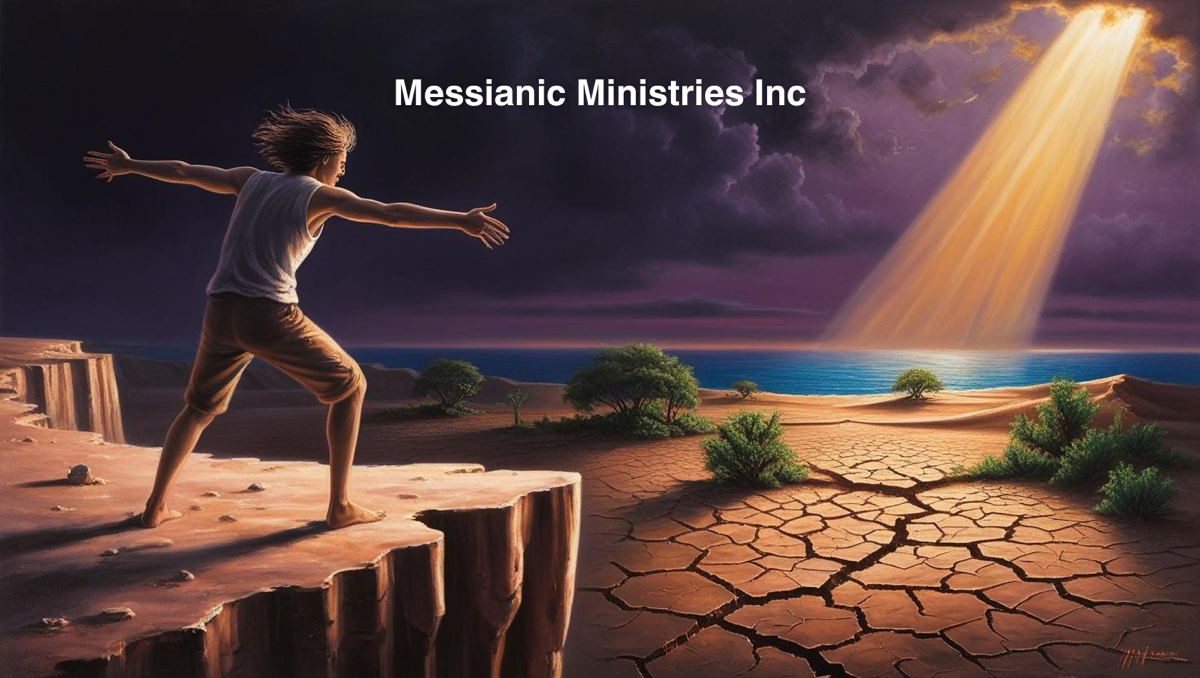
Psalm 107 is a hymn of gratitude, organized around the recurring theme of human despair and divine salvation. Verses 19 and 21 signify a pivotal juncture: the moment of lamentation and the moment of exaltation.
Verse 19 encapsulates the common experience of anguish. The expression "they cry unto the Lord in their trouble" transcends mere poetry; it embodies lived experience. The term cry (Hebrew: tsaʿaq) denotes a desperate, urgent appeal. It is not a formal prayer; it is the soul in turmoil. This plea is not obstructed by human merit; it is addressed due to divine mercy.
“He rescues them from their afflictions.” God does not postpone because to apathy. His timing reflects His wisdom. The salvation delineated herein is all-encompassing. The term distresses (Hebrew: metsuqah) denotes a constricted space, evoking a sensation of confinement. Divine salvation constitutes the expansion of that realm—liberation into freedom, providing space to breathe and exist.
Verse 21 transitions the setting. Deliverance necessitates a reaction. “Oh that men would extol the Lord for His benevolence” is a lamentation of ingratitude. It articulates God's will that the redeemed not only attain salvation but also manifest it via worship. The Hebrew term for praise (yadah) denotes public recognition—a tangible, spoken testament to His grace.
"His marvelous deeds to humanity" serves as an invitation to acknowledge God's influence in both the mundane and the remarkable. The recurrence of this phrase in the psalm highlights the motif of human inadequacy and heavenly fidelity.
These verses compel us to do two things: to lament in lack and to exalt in appreciation. We are not intended to remain mute in any circumstance. Our supplication prompts divine intervention; our adoration reflects celestial majesty.
* Divine Response to Desperation: God listens and delivers when we call out sincerely.
* Prayer as a Call in Crisis: Genuine prayer frequently commences when human fortitude concludes.
* Commendation as Ethical Imperative: Redemption necessitates public acknowledgment.
* Repeated Grace: God's salvific actions are perpetual and uniform across history.
* Human Nature, Divine Fidelity: Humanity falters, laments, is redeemed, and is urged to recollect.
#Ministry #jesus #bible #worship #faith #hope #love #church #prayer #gospel #christian #family #motivation #inspiration #holyspirit #power #christ #jesuschrist #purpose #godisgood #inspire #instagood #outreach #evangelism #bibleverse #encouragement #dailyinspiration
The Sacrifice God Accepts
Psalms 51:16-17
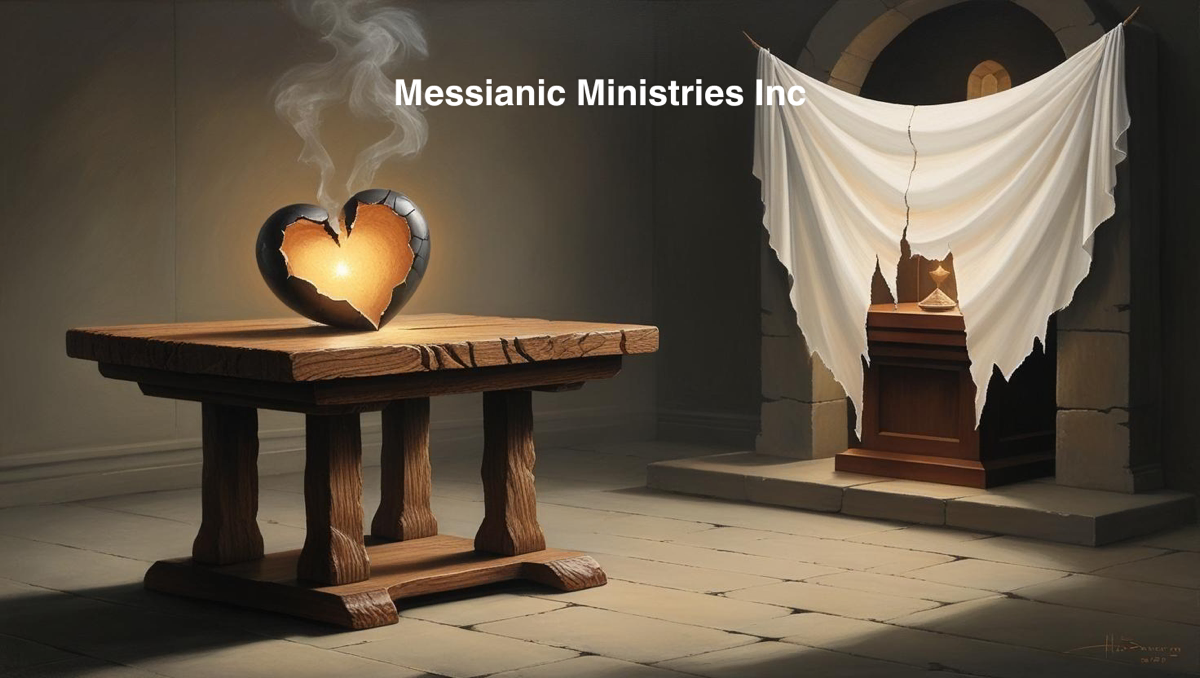
Psalm 51 is David's contrite supplication after Psalm 51 is David's contrite supplication after to his egregious transgression involving Bathsheba. In verses 16–17, David rejects the superficiality of sacrificial ceremony and delves into the core of remorse. He admits that external actions cannot replace genuine internal remorse. Divine favor is not attained by insincere sacrifices. The blood of bulls and goats, although mandated by the Law, was never intended to conceal unrepentant wrongdoing.
David's wording is incisive. “You do not desire sacrifice…” – even if he had offered one, it would be inadequate. The Hebrew term for "broken" (shabar) denotes anything irreparably destroyed. A "broken spirit" recognizes its own devastation, not as a performative performance but as a spiritual reality. “Contrite” (dakah) intensifies this notion by conveying the feeling of being overwhelmed by the burden of sin. Collectively, they signify the authentic stance of contrition: not exhibition, but submission.
God does not disdain this stance. While people may flinch at vulnerability, God approaches. He values it. Such sacrifice is never rejected. This grace is not inexpensive; it is costly as it necessitates the surrender of pride, control, and self-image. What God desires is not a charred remains, but a surrendered spirit.
These verses anticipate Christ. His redemptive death accomplished what animal sacrifices could never do. However, access to God still necessitates humility. The New Testament states, “God opposes the proud, but grants grace to the humble” (James 4:6). The offering desired by God is not blood upon an altar, but rather humility within the heart. That sacrifice invariably ascends to heaven.
Divine pleasure is not found in superficial religious practices.
Genuine repentance is an inward process characterized by contrition and humility.
A broken and contrite heart constitutes a sacrifice that God deems acceptable.
This chapter foresees the profound realization in Christ's flawless atonement.
God reacts to humility rather than to achievement.
to his egregious transgression involving Bathsheba. In verses 16–17, David rejects the superficiality of sacrificial ceremony and delves into the core of remorse. He admits that external actions cannot replace genuine internal remorse. Divine favor is not attained by insincere sacrifices. The blood of bulls and goats, although mandated by the Law, was never intended to conceal unrepentant wrongdoing.
David's wording is incisive. “You do not desire sacrifice…” – even if he had offered one, it would be inadequate. The Hebrew term for "broken" (shabar) denotes anything irreparably destroyed. A "broken spirit" recognizes its own devastation, not as a performative performance but as a spiritual reality. “Contrite” (dakah) intensifies this notion by conveying the feeling of being overwhelmed by the burden of sin. Collectively, they signify the authentic stance of contrition: not exhibition, but submission.
God does not disdain this stance. While people may flinch at vulnerability, God approaches. He values it. Such sacrifice is never rejected. This grace is not inexpensive; it is costly as it necessitates the surrender of pride, control, and self-image. What God desires is not a charred remains, but a surrendered spirit.
These verses anticipate Christ. His redemptive death accomplished what animal sacrifices could never do. However, access to God still necessitates humility. The New Testament states, “God opposes the proud, but grants grace to the humble” (James 4:6). The offering desired by God is not blood upon an altar, but rather humility within the heart. That sacrifice invariably ascends to heaven.
Divine pleasure is not found in superficial religious practices.
Genuine repentance is an inward process characterized by contrition and humility.
A broken and contrite heart constitutes a sacrifice that God deems acceptable.
This chapter foresees the profound realization in Christ's flawless atonement.
God reacts to humility rather than to achievement.
#Ministry #jesus #bible #worship #faith #hope #love #church #prayer #gospel #christian #family #motivation #inspiration #holyspirit #power #christ #jesuschrist #purpose #godisgood #inspire #instagood #outreach #evangelism #bibleverse #encouragement #dailyinspiration
A Future and a Prayer
Jeremiah 29:11-12
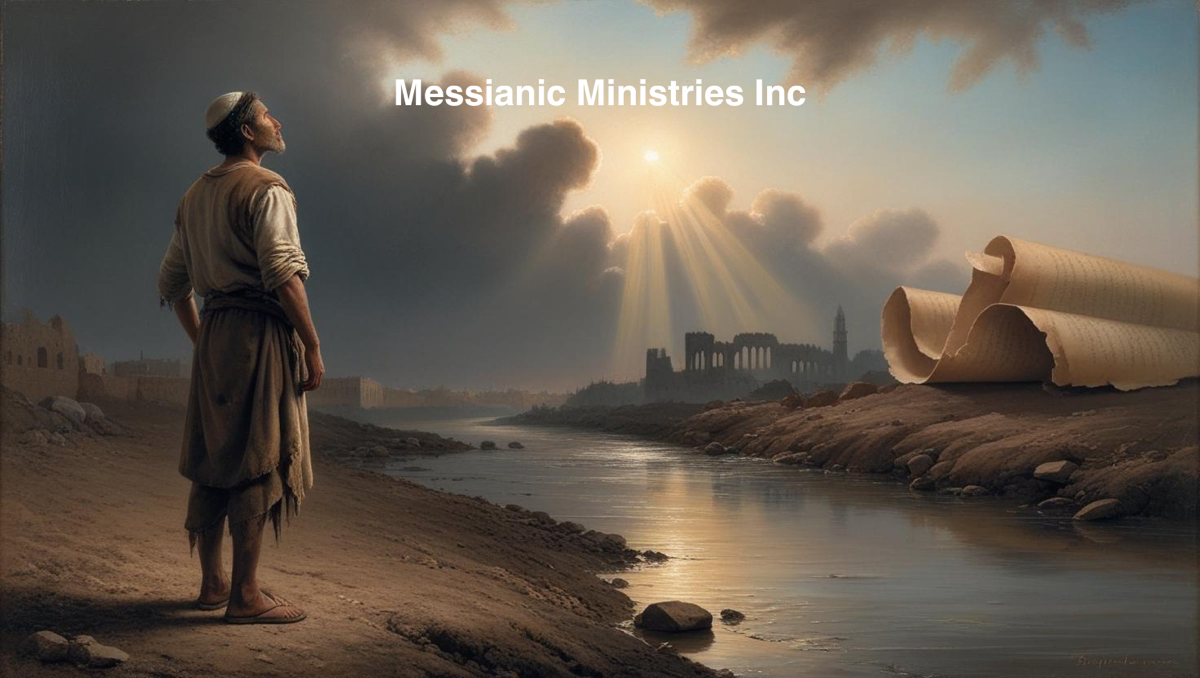
Jeremiah 29:11–12 speaks directly to a displaced and discouraged people. The Israelites had been exiled to Babylon, removed from their land, temple, and national identity. This word from the prophet Jeremiah is not a platitude—it is a theological declaration issued in the midst of judgment. Verse 11 begins with divine intent: “I know the thoughts that I think toward you.” In Hebrew, the term “machashabah” indicates plans, designs, or purposeful thinking. God is not indifferent; He is intentional. His plans are “of peace” (Heb. shalom), not chaos—plans that culminate in “an expected end” (Heb. acharith), meaning a future filled with hope and fulfillment.
Verse 12 turns the promise into participation. God’s sovereign will does not negate human responsibility. “Then shall ye call upon me, and ye shall go and pray unto me.” Prayer becomes the bridge between divine promise and human experience. The Hebrew verb for “pray” here, “palal,” denotes intercession and earnest petition. The Lord assures, “I will hearken unto you.” This is not passive listening—it implies an attentive and favorable response.
This passage is often misapplied as a generic encouragement. However, its real power lies in its context: God extends hope not by removing the exile immediately, but by promising His presence and plans within it. The people must remain in Babylon for seventy years, but they are not abandoned. God invites them into a restored relationship even in their displacement.
Divine Intentionality: God’s thoughts toward His people are not reactive; they are deliberate and anchored in peace and fulfillment.
Contextual Hope: This promise was given in exile, underscoring that God’s plans persist even in judgment and loss.
Prayer as Participation: God’s people are called to respond actively by praying, not passively waiting.
Covenantal Assurance: God will *“hearken”—*not simply hear but respond. The covenant is still in effect.
Christological Insight: Christ, the embodiment of shalom, is the ultimate expected end (cf. Eph. 2:14; Rom. 15:13).
#Ministry #jesus #bible #worship #faith #hope #love #church #prayer #gospel #christian #family #motivation #inspiration #holyspirit #power #christ #jesuschrist #purpose #godisgood #inspire #instagood #outreach #evangelism #bibleverse #encouragement #dailyinspiration
Silence of the Soul: Waiting Only Upon God
Psalms 62:1

David commences this psalm not with a request, but with a proclamation. “Truly,” or in Hebrew, ’ak, underscores exclusivity—only my soul anticipates God. This statement reflects a purity of dedication, eliminating dependence on any external factors. David is disregarding his army, his resources, and his advisors. His soul, the innermost aspect of his being, is in a state of tranquility and anticipation before God alone.
This anticipation is not passive. It constitutes active trust. The Hebrew verb damam ("waiteth") connotes silence, tranquility, and spiritual stillness. It implies a tranquility derived not from ignorance, but from unwavering faith in God's salvation. The second clause affirms the rationale: “from him cometh my salvation.” David understands that his salvation, whether corporeal or spiritual, originates from no alternative source. In this context, salvation (yeshuah) signifies not merely escape, but also wholeness, tranquility, preservation, and repose.
This verse serves as a reprimand for contemporary unrest. Our souls are frequently encumbered by noise—emotional, digital, and relational. Nevertheless, this is an appeal for inward tranquility. In a culture that perpetually seeks attention, David exemplifies unwavering dependence on God. This is the soul's Sabbath: tranquility in God's abundance.
1. Exclusive Dependence: The terms “only” or “truly” indicate that God is the only source of hope, rather than one among several.
2. Spiritual Tranquility: The soul must cultivate silence, devoid of anxiety. This is a domain of trust.
3. God as the Exclusive Source of Salvation: The text links silence with salvation—God provides salvation, and we must exercise patience.
4. Devotional Posture: This verse transcends theology; it serves as guidance. Remain still. Exercise patience in divine timing. Place your trust solely in Him.
5. Antidote to Anxiety: The soul that relies on God discovers tranquility, whilst the soul that hurries encounters chaos.
#Ministry #jesus #bible #worship #faith #hope #love #church #prayer #gospel #christian #family #motivation #inspiration #holyspirit #power #christ #jesuschrist #purpose #godisgood #inspire #instagood #outreach #evangelism #bibleverse #encouragement #dailyinspiration
The Silence That Drains the Soul
Psalms 32:3-4

David refers not only to bodily hardship but also to the profound inner agony resulting from unconfessed sin. In this environment, silence is not tranquility; it is the self-imposed quietude of guilt and spiritual repression. He opted for silence and refrained from confession, resulting not in relief but in deterioration. The language is visceral: “my bones waxed old,” suggesting that sin impacts the body even when concealed and unrepented.
The continuous "roaring" throughout the day signifies internal torment. Although externally silent, the soul is resounding with sorrow and determination. David characterizes God's hand as "heavy," symbolizing heavenly pressure intended for correction rather than destruction. This heavenly pressure constitutes mercy—God unsettling the sinner to ensure they do not find peace until they achieve restoration.
The expression "my moisture is turned into the drought of summer" signifies a loss of vitality. Sin, when nurtured, desiccates the spirit. Joy, clarity, and strength diminish. The term “Selah” signifies a stop for contemplation—a chance to assess the personal ramifications of unvoiced dissent.
Repentance is the suggested remedy. The remainder of the Psalm corroborates this, as David acknowledges his transgressions and attains absolution. However, verses 3–4 illustrate the significant cost of postponement. Guilt proliferates in silence; liberation commences with sincere admission.
Unacknowledged transgression undermines both the corporeal and spiritual self.
Divine pressure constitutes a manifestation of kindness, guiding us toward repentance.
Silence regarding sin does not equate to safety; rather, it signifies spiritual desiccation.
“Selah” indicates the necessity for reflective self-assessment.
Restoration commences upon the disruption of quiet.
This devotional advocates for transparency before God. Confession is not a sign of weakness; it is a pathway to fortitude and rejuvenation.
#Ministry #jesus #bible #worship #faith #hope #love #church #prayer #gospel #christian #family #motivation #inspiration #holyspirit #power #christ #jesuschrist #purpose #godisgood #inspire #instagood #outreach #evangelism #bibleverse #encouragement #dailyinspiration
Yet The Lord Thinketh Upon Me
Psalms 40:17

David concludes this psalm not with victory but with veracity. He proclaims himself as "impoverished and destitute." These statements are not exaggerated. They mirror his spiritual, emotional, and situational reality. The guy formerly revered as a formidable monarch and warrior now reveals his inherent human vulnerability. However, amidst this admission of frailty, the verse shifts: “Yet the Lord considers me.” This is not a remote deity who recalls infrequently; this is a deity who is consistently attentive.
The verb “thinketh” (Hebrew: chashab) implies meticulous contemplation and intentional valuation. This is not a transient notion. God's focus is directed towards David. Not regarding David's rank or achievement, but concerning him in his humble condition. This aligns with God's character as shown in Scripture - attentive to the widow, the orphan, the repentant, and the downtrodden.
David's supplication concludes with a sense of urgency: "do not delay, O my God." This appeal is devoid of conceit. It is the lament of one who trusts that God will intervene, having already demonstrated His fidelity. This last appeal emphasizes that closeness to God does not necessarily eliminate suffering, but it provides clarity: we are not forsaken.
The disparity between David's necessity and God's attentiveness underscores the magnificence of grace. We present our inadequacy; He offers His presence. We lament in postponement; He responds with impeccable timing. God does not require our might to acknowledge us. He observes us due of His strength.
1. Spiritual Honesty: David recognizes his destitution and dependence without embarrassment. God encourages such candor.
2. Divine Mindfulness: God's attention is bestowed freely upon the humble and needy, rather than being earned.
3. Covenantal Assistance: David's assurance in referring to God as "my help and my deliverer" is founded on a relational covenant rather than transient circumstances.
4. Urgent Faith: Petitioning God for prompt action is not a lack of faith; rather, it constitutes a form of worship, demonstrating sufficient trust to implore Him.
5. Personal Application: Regardless of our circumstances, the Most High contemplates our existence. His assistance is not theoretical; it is personal and proximate.
In times of feeling overlooked or inundated, recall that God contemplates you. Not as an afterthought, but as His deliberate consideration.
#Ministry #jesus #bible #worship #faith #hope #love #church #prayer #gospel #christian #family #motivation #inspiration #holyspirit #power #christ #jesuschrist #purpose #godisgood #inspire #instagood #outreach #evangelism #bibleverse #encouragement #dailyinspiration
God Keeps Count
Psalm 56:8

This verse unveils a compassionate facet of God's nature. David, escaping from Saul and apprehended by the Philistines, expresses profound emotional sensitivity. "Thou tellest my wanderings" indicates that God observes, enumerates, and contemplates every step taken in adversity. David's journey was remembered, and his sorrow was acknowledged.
The depiction of God gathering tears in a vessel is not mere symbolic embellishment—it is a theological affirmation. In the ancient Near East, mourners occasionally gathered tears in vessels as commemorations of sorrow. David employs this imagery to convey the truth that God not only perceives grief but also safeguards it, dignifies it, and recalls it with reverent attention.
The second sentence, "are they not in thy book?", confirms the concept of divine recordkeeping. God is not apathetic towards the afflictions of His people. Every loss, every betrayal, every silent lament in the night—none are in vain. This text does not assure the elimination of pain, but it does promise its recollection and redemption.
This text also challenges superficial theology that equates divine care with instantaneous relief. Rather, it confirms to the believer that God's love is evidenced not just in our salvation but also in His recall.
God enumerates your walks, collects your tears, and records your sorrow in His ledger. You are not overlooked. Your identity is recognized.
• Divine Intimacy: God is cognizant of every aspect of our affliction.
• Sacred Memory: Our tears hold significance; they are safeguarded in His presence.
• Covenantal Care: The believer's odyssey—meanderings and afflictions—is documented with purpose.
• Emotional Integrity: It is scriptural and devout to lament in the presence of God.
• Hope in Remembrance: What God recalls, He redeems in His own time.
#Ministry #jesus #bible #worship #faith #hope #love #church #prayer #gospel #christian #family #motivation #inspiration #holyspirit #power #christ #jesuschrist #purpose #godisgood #inspire #instagood #outreach #evangelism #bibleverse #encouragement #dailyinspiration
Glory in Tribulations
Romans 5:3
Glory in Tribulations
Romans 5:3
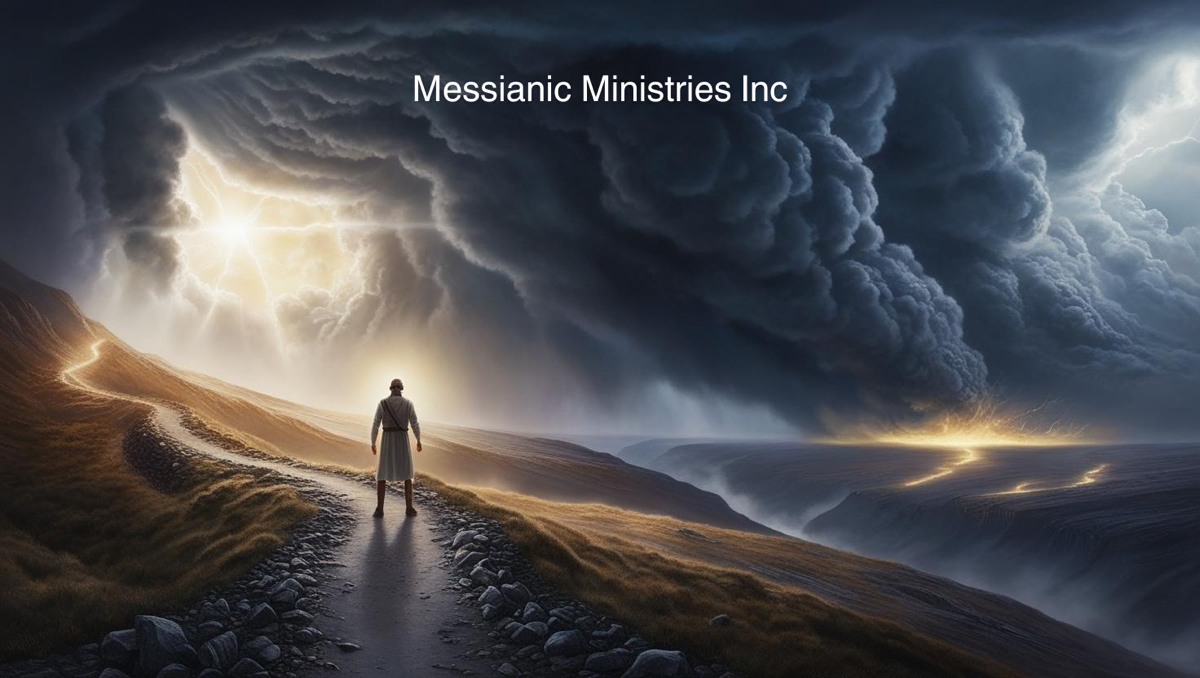
The Apostle Paul composes this line inside a comprehensive theological discourse about justification by faith. After affirming that believers are justified and reconciled with God (Romans 5:1), Paul now addresses the consequences of this new relationship. The expression "we glory in tribulations" does not reflect sentimental optimism. It is the spiritual belief that suffering possesses significance in the existence of the righteous.
The Greek term thlipsis, translated as "tribulations," denotes pressure, distress, or affliction. Paul's usage signifies not only inconvenience, but profound adversity. The verb "we glory" (kauchaometha) signifies to boast, not with arrogance, but with assured assurance. What is the rationale for taking pride in adversity? Due to its output.
Tribulation is not an ultimate conclusion. It commences a purifying chain reaction. Initially, it requires patience—hypomonē—a steadfast and resilient spirit that does not yield. This is not passive waiting, but rather active perseverance in the face of adversity. In Paul's theology, waiting is invariably fruitful. It serves as the foundation for character development and the preservation of hope (cf. vv. 4–5).
The true believer who endures suffering is not only resilient in adversity; he is also transformed by it. The righteous do not rejoice in pain for its own sake, but because it serves a meaningful purpose. Divine providence does not squander affliction. He employs it to cultivate Christlike endurance, enhance trust, and equip the believer for eternal glory.
This is not stoicism; it is spiritual insight. The cross precedes the crown. The believer exults in adversity, understanding its outcomes and the authority overseeing the process.
• “Glory in tribulations” signifies spiritual assurance rather than a repudiation of suffering.
• Tribulation fosters patience, rather than despair, when perceived through the lens of faith. Justification by faith converts suffering into sanctification.
• Authentic perseverance is dynamic, rooted in God's sovereign intention.
• Christian hope is cultivated through adversity, rather than comfort.
Allow the message of Romans 5:3 to prompt you to perceive adversity not as divine abandonment but as divine investment. In Christ, suffering serves as an instrument of grace.
#Ministry #jesus #bible #worship #faith #hope #love #church #prayer #gospel #christian #family #motivation #inspiration #holyspirit #power #christ #jesuschrist #purpose #godisgood #inspire #instagood #outreach #evangelism #bibleverse #encouragement #dailyinspiration