
The Rejected Stone, the Chosen Foundation
Psalms 118:22-23
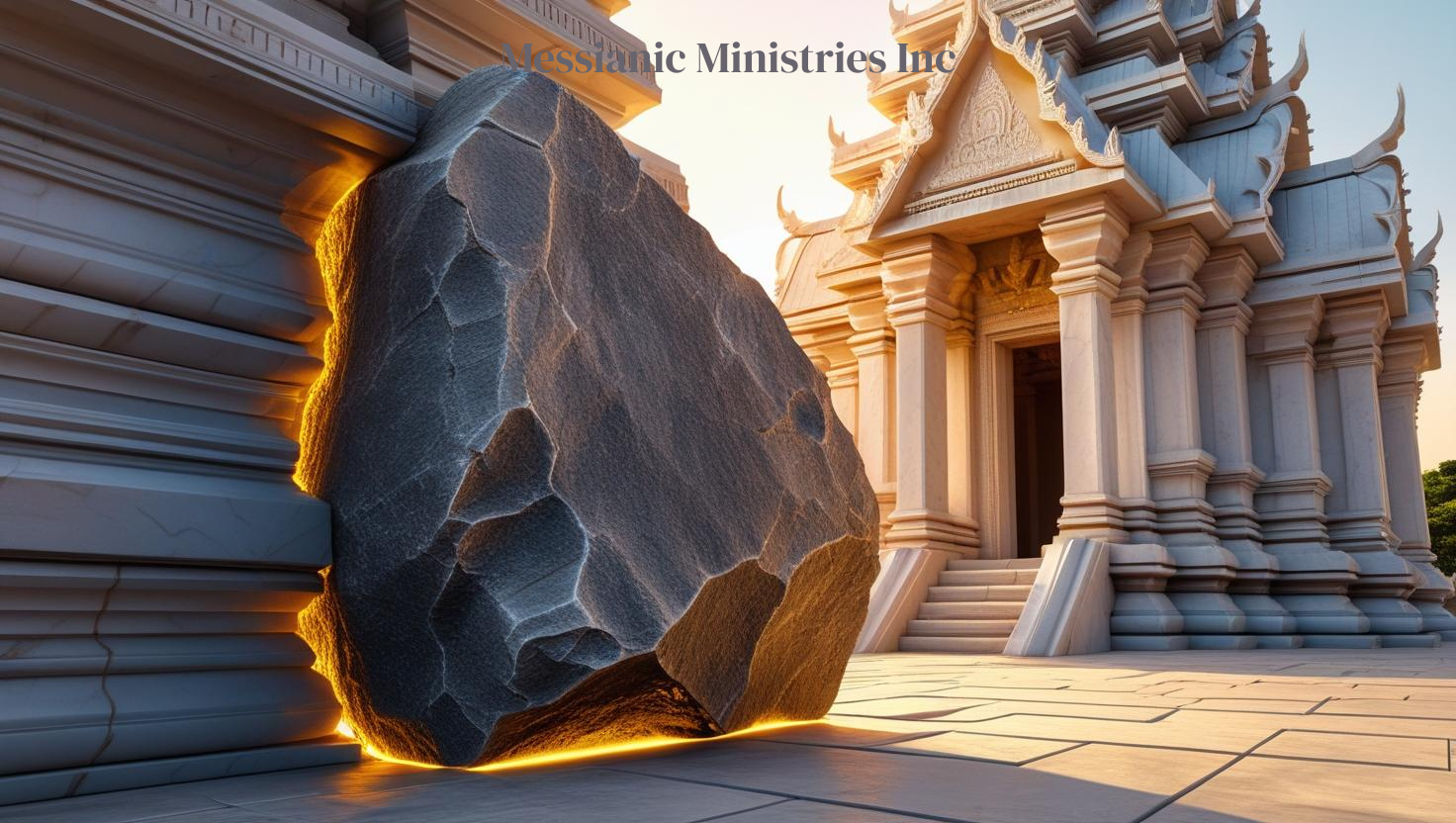
The psalmist proclaims a prophetic enigma: the stone before dismissed has emerged as the cornerstone of God’s everlasting design. This artwork, both simple and profound, directly alludes to the Messiah. In the perception of Israel's leaders, Yeshua of Nazareth did not conform to their anticipations. He was not the aggressive conqueror they desired, but the modest Servant, scorned and repudiated by humanity. In God's perfect plan, the one they rejected became the crucial basis of redemption.
Peter and John cited this text before the Sanhedrin to demonstrate that Jesus is the cornerstone (Acts 4:11). The leaders had certainly rejected Him, surrendering Him to death. However, God resurrected Him, elevating Him as the cornerstone of salvation. The apostle Paul affirms this point, stating that no basis can be established other than that which is established, namely Christ Jesus (1 Corinthians 3:11).
This prophetic statement is "extraordinary in our perception." It attests that divine intentions are not impeded by human repudiation. What humanity rejects, the divine restores. What the world abhors, the Father elevates. The crucified Messiah is now the resurrected cornerstone of a vibrant temple — His followers. As living stones, we are constructed into a spiritual edifice, established in Him (1 Peter 2:5–7).
This verse serves as both solace and adversity for us. We find solace in the knowledge that, despite potential rejection for our beliefs, we are united with the One who was both rejected and ultimately glorified. Challenge, as our life must conform to the fundamental principle. Each stone in a construction derives its form and placement from the cornerstone; similarly, every believer must seek their alignment in the Messiah. His existence serves as our standard, His Spirit as our mentor, His Word as our benchmark.
The Messianic promise articulated here pertains not merely to restoration but to reversal. God elevates the rejected to prominence and transforms the despised into something magnificent. In Messiah, what was previously disregarded becomes crucial.
The cornerstone symbolizes the Messiah, dismissed by humanity yet selected by God.
Divine intentions remain unimpeded by human repudiation.
Believers are living stones, connected with Christ, the foundational cornerstone.
Rejection frequently precedes heavenly elevation.
The Messiah embodies the prophetic symbolism of Psalm 118 through His suffering and splendor. The previously rejected cornerstone has now become our reliable foundation. Let us construct our lives upon Him, astonished that the Lord has transformed the rejected Stone into the magnificent cornerstone of His everlasting edifice.
#Christianity #jesus #christiantiktok #bible #foryou #cogic #cogbf #cog #apostolic #seventhdayadventist #messianicministriesinc #allnations #fgbcf #tiktok #bibleverse #prophetic #fght #paw
The Shepherd Who Lays Down His Life
St John 10:11
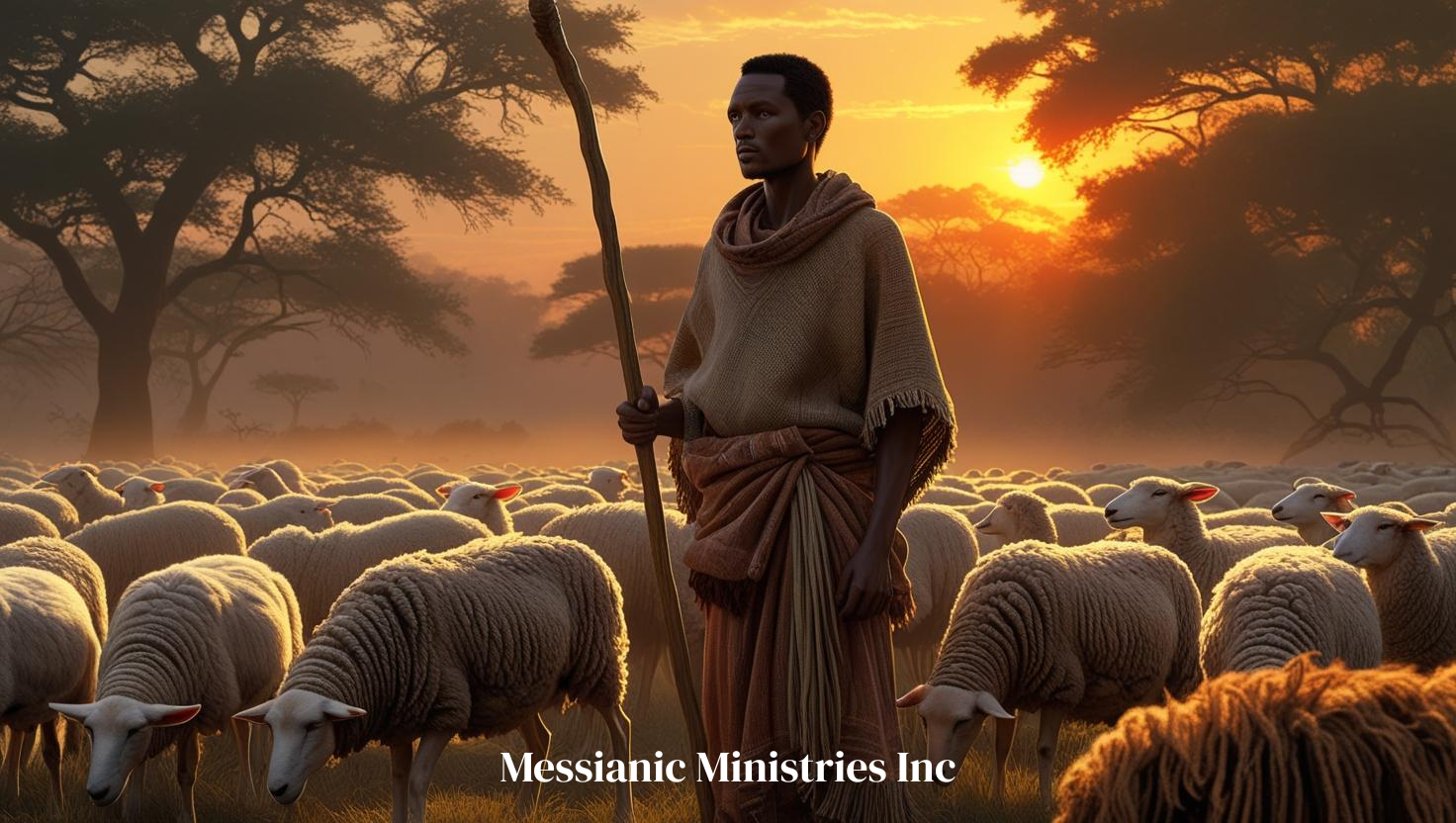
Jesus proclaims Himself as the Good Shepherd, a declaration imbued with Messianic significance and covenantal symbolism. Shepherding was intricately interwoven throughout Israel's history; from Abraham and Jacob to Moses and David, God continuously appointed shepherds to guide His people. In this context, Jesus transcends earthly analogies; He is not only a shepherd who protects and directs, but the One who sacrifices His life for the sheep.
This proclamation discloses both prophetic identity and sacrificial purpose. The Messiah was prophesied as the Shepherd-King who will assemble God's dispersed sheep (Ezekiel 34:23). Israel yearned for a protector who would compassionately nurture them while safeguarding them from the predations of sin, death, and oppression. This hope is fully realized in Christ. His care is non-transactional, and His protection is unconditional. He does not use Himself for remuneration like a mercenary; rather, He wholly dedicates Himself—even unto death—for the sake of His flock.
The Gospel demonstrates that the Messiah's love is not a passive attitude, but an active sacrifice. His death was not the lamentable conclusion of a virtuous existence but the deliberate sacrifice of Himself to redeem His followers. The Messianic promise of atonement is illuminated in this truth. The Good Shepherd did not forsake His sheep to face judgment but instead endured judgment on their behalf.
This chapter illustrates the closeness of the Messiah's relationship with His people. In the ancient Near East, shepherds frequently recognized their sheep by name, addressing them individually. Similarly, Jesus recognizes us intimately, not as an anonymous congregation, but as cherished individuals. His sacrifice was tangible; it was for you, for me, for those who heed His words and follow.
As adherents, we are invited not merely to repose under His guardianship but to embody His shepherding affection in our own lives—nurturing others, interceding for the lost, and advocating for truth, even at personal sacrifice.
* Jesus as the realization of Ezekiel’s prophecy regarding the Shepherd-King.
* The differentiation between the hireling and the genuine Shepherd.
* The sacrificial love of the Messiah as the cornerstone of redemption.
* Personal intimacy: He recognizes His sheep individually. * The exhortation for believers to reflect His shepherding essence.
The Good Shepherd is neither remote nor apathetic—He is the Messiah who sacrificed His life for His flock. In Him, we discover both everlasting security and unwavering affection. To follow Him is to walk under the guidance of One who not only leads but sacrifices His life, ensuring our eternal redemption.
#Christianity #jesus #christiantiktok #bible #foryou #cogic #cogbf #cog #apostolic #seventhdayadventist #messianicministriesinc #allnations #fgbcf #tiktok #bibleverse #prophetic #fght #paw
The Humble Servant, Sovereign King
Isaiah 9:6
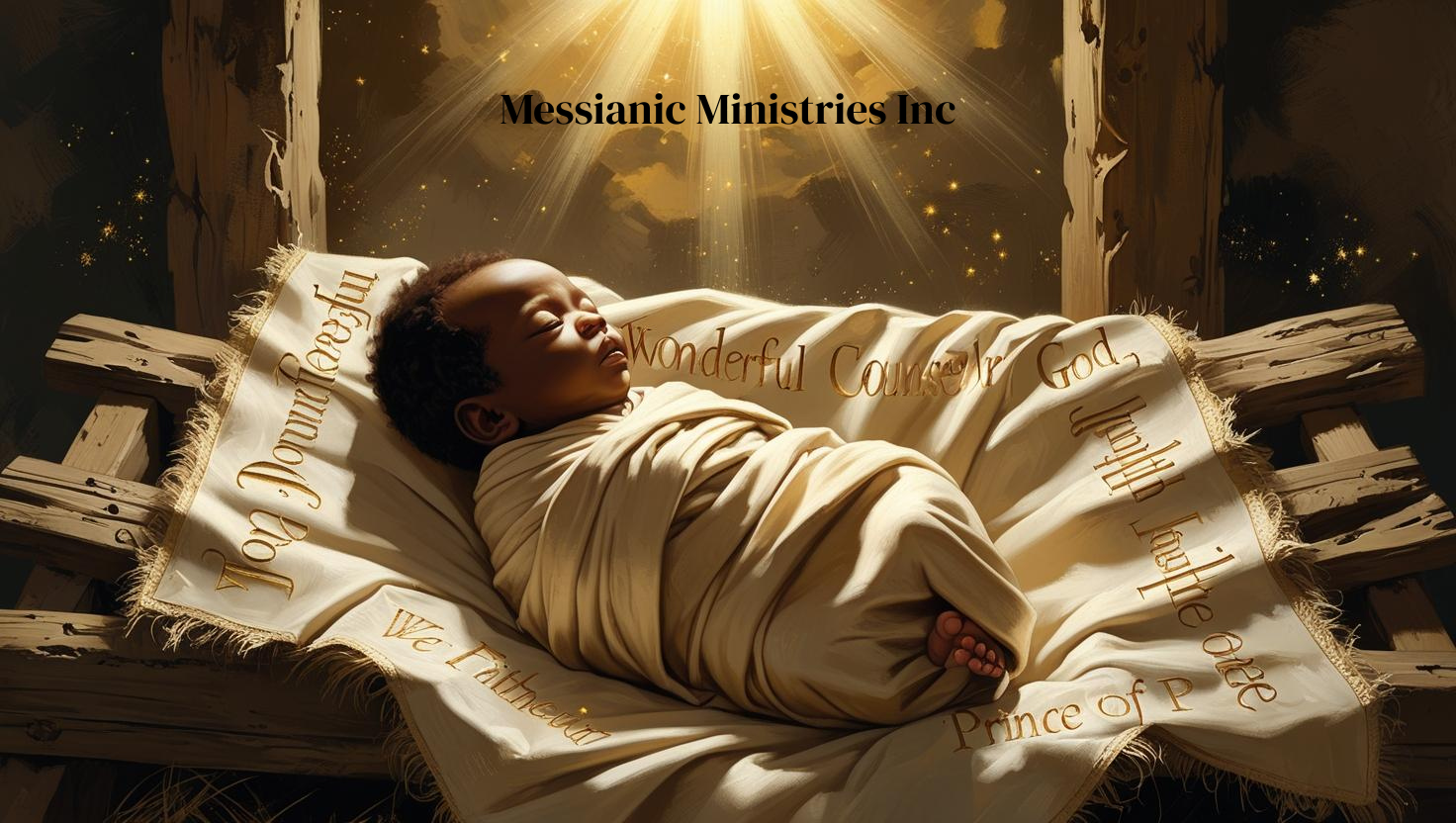
The prophecy in Isaiah 9:6 stands out as a brilliant element in the framework of Messianic anticipation. Conceived amid political upheaval, this passage not only predicts the birth of a child but also asserts His divine nature and everlasting sovereignty. Upon initial observation, the image is delicate: an infant. Embedded inside are titles that reveal his grandeur: Wonderful Counselor, a provider of exceptional wisdom; Mighty God, entirely divine; Everlasting Father, a source of infinite love; Prince of Peace, the bestower of genuine tranquility.
This prophetic narrative embodies the enigma of the Incarnation. In His humanity, He is the infant; in His divinity, He is the "Mighty God," reflecting Micah 5:2 and emphasizing His extraordinary origin. The contrast between vulnerable infancy and heavenly fatherhood invites us to contemplate the paradox of a monarch in swaddling garments.
This verse connects Messianic anticipation with actualized fulfillment. Early Christians, particularly in the Gospel of Luke, perceived Jesus' birth as the realization of this promise. The angels declared "peace on earth" (Luke 2:14), and the governance of His kingdom would be borne upon His shoulders (cf. Luke 1:32–33).
This prophecy confirms for the believer that the Messiah's identity fulfills our profound desires: He leads with divine knowledge, possesses the ability to save, nurtures with eternal love, and rules in peace. In contrast to any terrestrial sovereign, His governance is equitable, His advice impeccable, and His tranquility revolutionary.
Contemplate this: In what manner am I perceiving “Wonderful Counselor” in my life decisions? In which areas do I require the restorative tranquility that only He can provide? In what manner does the concept of the "Everlasting Father" influence my confidence in His provision?
The newborn is the incarnate Messiah—all human and entirely divine.
Every Messianic title elucidates an aspect of His character and purpose.
The prophesy connects the anticipations of the Old Testament with the realizations of the New Testament (e.g., Luke 2).
His dominion embodies wisdom, authority, paternal compassion, and peace unmatched by terrestrial sovereigns.
In the crib rests the King—"Wonderful Counselor, Mighty God, Everlasting Father, Prince of Peace." May this vision today immerse you in the enigma of His being and enhance your confidence in His sovereignty.
#Christianity #jesus #christiantiktok #bible #foryou #cogic #cogbf #cog #apostolic #seventhdayadventist #messianicministriesinc #allnations #fgbcf #tiktok #bibleverse #prophetic #fght #paw
The Greater Temple
St John 2:19
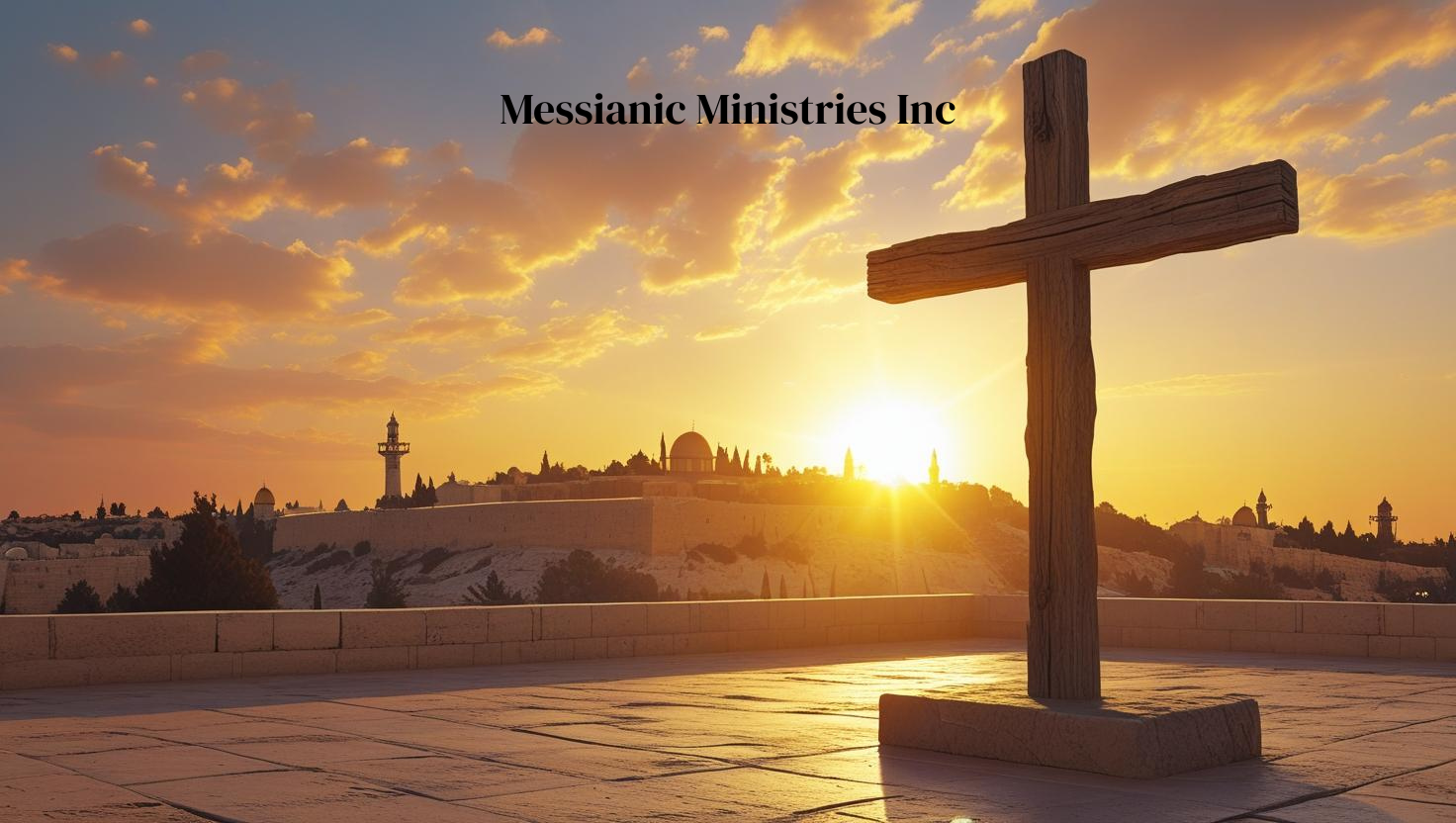
While in the precincts of Herod's Temple, amidst officials who esteemed its architecture, Jesus proclaimed, "Dismantle this temple, and in three days I shall restore it." His statements bewildered His audience, since they could not conceive of a temple surpassing the magnificence before them. Christ identified Himself as the authentic abode of God among humanity.
The temple consistently served as a shadow, a prescient edifice indicating future events. Within its confines, sacrifices were made daily, blood was perpetually spilled, and the curtain maintained a separation between humanity and the divine presence of God. In Christ, all shadows encountered their essence. His body transformed became the sanctuary, His blood the supreme offering, His resurrection the revelation of everlasting admittance.
This declaration pertains not only to His death and resurrection but also to the imperishable life He has. The terrestrial temple could be dismantled stone by stone, as it ultimately did in 70 A.D., yet the resurrected Messiah remains the eternal sanctuary. In Him, we are no longer required to visit a certain geographic spot to encounter God—He is Emmanuel, God with us.
Contemporary believers perceive the temple imagery as realized not solely in Christ but also in His Body, the Church. Paul admonishes, “Do you not know that you are the temple of God, and that the Spirit of God resides within you?” 1 Corinthians 3:16. The same resurrection force that resurrected Jesus on the third day now resides within His followers, transforming us into living stones in His everlasting abode.
Consequently, every endeavor by the adversary to obliterate what God is constructing merely serves as a platform for His resurrection glory. As death was unable to confine Him, destruction cannot impede His objective. In Him, each believer embodies a living testament to God's indwelling presence.
Jesus represents the ultimate Temple, realizing the archetype of the Old Covenant.
His resurrection demonstrates the imperishability of God's presence among humanity.
Believers, as the Body of Christ, are now living sanctuaries of the Holy Spirit.
The adversary's efforts to obliterate God's creation merely amplify His resurrection power.
The Messiah is the everlasting Temple, exalted in glory on the third day, and through Him, we become the abode of God. Let us exist with reverence, assurance, and joy, recognizing that His indomitable life is within us eternally.
#Christianity #jesus #christiantiktok #bible #foryou #cogic #cogbf #cog #apostolic #seventhdayadventist #messianicministriesinc #allnations #fgbcf #tiktok #bibleverse #prophetic #fght #paw
The Covenant Confirmed in the Blood of the Messiah
Zechariah 9:11
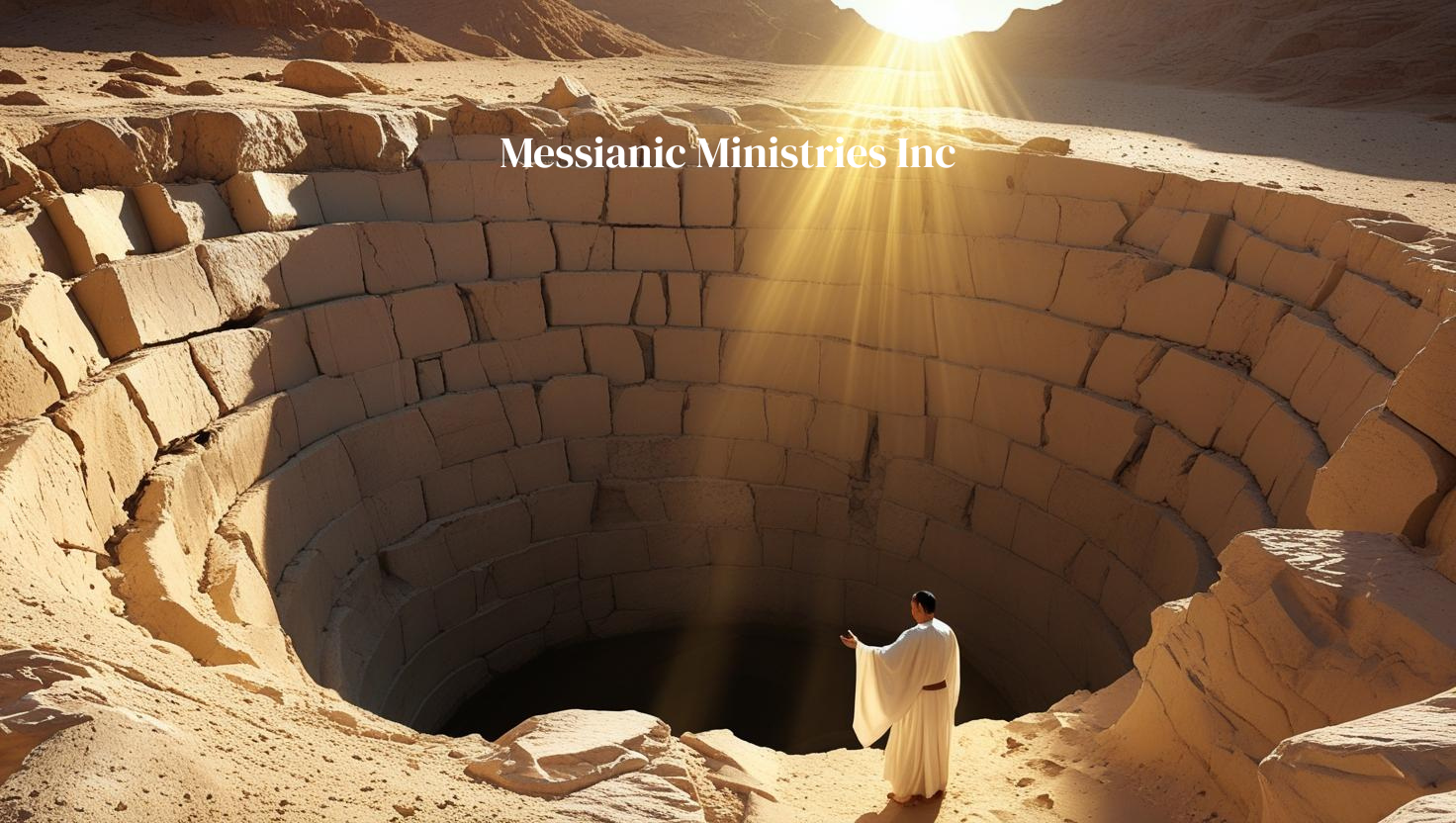
Zechariah’s prophetic assertion in this verse penetrates the essence of the Messianic promise: salvation via the blood of the covenant. In the ancient Near Eastern context, covenants were ratified with blood, symbolizing an unbreakable commitment. The Lord addresses His people directly, informing them that due to the blood of their covenant, they are liberated from the "pit devoid of water," a stark representation of desolate captivity.
The "pit" transcends mere metaphor for confinement; it evokes the ancient cisterns—profound, shadowy, and frequently utilized for detaining captives. Jeremiah was himself thrown into a pit (Jer. 38:6). In the Messianic context, this imagery signifies the spiritual enslavement and demise into which humanity has descended due to sin. The lack of water in the pit is critical—there is no life, no nourishment, and no prospects. In the absence of supernatural intervention, it is a locale of inevitable demise.
The assurance of salvation is granted through the blood of your covenant. This would evoke the blood showered at Sinai (Ex. 24:8), where Moses said, “Behold the blood of the covenant.” This prophecy extends beyond Sinai to the superior covenant, validated not by the blood of animals, but by the invaluable blood of the Messiah (Luke 22:20; Heb. 9:11–15). The new covenant, confirmed by His blood, would not only restore Israel but also grant liberation to everyone who place their faith in Him.
The blood of the Messiah not only nullifies a sentence but also metamorphoses identity. The captives are not only freed; they are summoned into a covenant relationship. This exemplifies the profound grace of God: He not only liberates us from despair; He incorporates us into His family as sons and daughters (Gal. 4:4–7).
Today, the Spirit continues to urge us to embrace the freedom acquired at a significant expense. Numerous believers, although being forgiven, remain ensnared in the depths of despair, constrained by fear, shame, or skepticism. Zechariah’s prophecy compels us to embrace the light, emphasizing that the covenant relies not on our merit but on His unwavering promise ratified in blood.
The "pit devoid of water" represents spiritual demise and despairing confinement.
The covenant's blood serves as the foundation for salvation—realized in the Messiah's sacrifice.
Redemption signifies liberation from captivity and reinstatement in communion with God.
The covenant is unalterable as it is founded on God's fidelity, rather than human endeavor.
Through the blood of the covenant, the Messiah has broken the bonds of the abyss and summoned us into His eternal Kingdom. Live today as one who is both redeemed and rejuvenated, for the covenant is eternally sealed in His blood.
#Christianity #jesus #christiantiktok #bible #foryou #cogic #cogbf #cog #apostolic #seventhdayadventist #messianicministriesinc #allnations #fgbcf #tiktok #bibleverse #prophetic #fght #paw
The King Who Brings Peace
Zechariah 9:9

Zechariah 9:9 is a definitive prophetic depiction of the Messiah's initial arrival. It calls upon Zion to exult—not in the advent of a military conqueror exercising governmental authority, but in a virtuous King who exemplifies humility and redemption. The event would subsequently transpire in precise detail when Yeshua entered Jerusalem during Passover week (Matthew 21:4–5), intentionally fulfilling this ancient prophecy.
The contradiction is notable. Ancient monarchs made ostentatious entrances on warhorses, emblems of victory and supremacy. However, the anticipated King arrives "humble, and mounted on a donkey"—a symbol of peace and reconciliation. His justice is not imposed by force but established by His self-sacrifice as the paramount atonement for sin. Thus, His triumph would not be against Rome, but over death itself.
This prophesy also alludes to the characteristics of the Kingdom He establishes. It is founded not on coercion but on transformation. Whereas terrestrial authorities endeavor to amend legislation to govern emotions, the Messianic Sovereign transforms hearts to actualize divine law. The salvation He offers transcends mere political liberation for Israel; it encompasses eternal redemption for all who invoke His name—both Jew and Gentile.
For contemporary believers, Zechariah's words provide both solace and provocation. Consolation arises from the fact that the One we serve is not an aloof sovereign, but a compassionate King who draws close. The challenge arises from His humility, which exemplifies the manner in which His disciples should live and lead—through service rather than self-aggrandizement; in tranquility rather than the pursuit of supremacy.
We are summoned to exult profoundly in His arrival, while simultaneously readying ourselves for His return, when the same Sovereign will come again—not on a donkey, but on a white horse (Revelation 19:11), delivering ultimate justice and eternal peace.
Zechariah 9:9 explicitly predicts the Messiah's triumphant entry into Jerusalem.
The King's humility is fundamental to His salvific mission.
His Kingdom is founded on transformation rather than coercion.
Adherents are summoned to embody His humility in anticipation of His return.
The Messianic King arrives not to conquer but to liberate, approaching with humility while possessing the authority to redeem—His initial arrival bestowed tranquility upon the soul, and His subsequent return will bestow harmony upon the globe.
#Christianity #jesus #christiantiktok #bible #foryou #cogic #cogbf #cog #apostolic #seventhdayadventist #messianicministriesinc #allnations #fgbcf #tiktok #bibleverse #prophetic #fght #paw
The Anointed Heir of David’s Throne
Isaiah 9:7
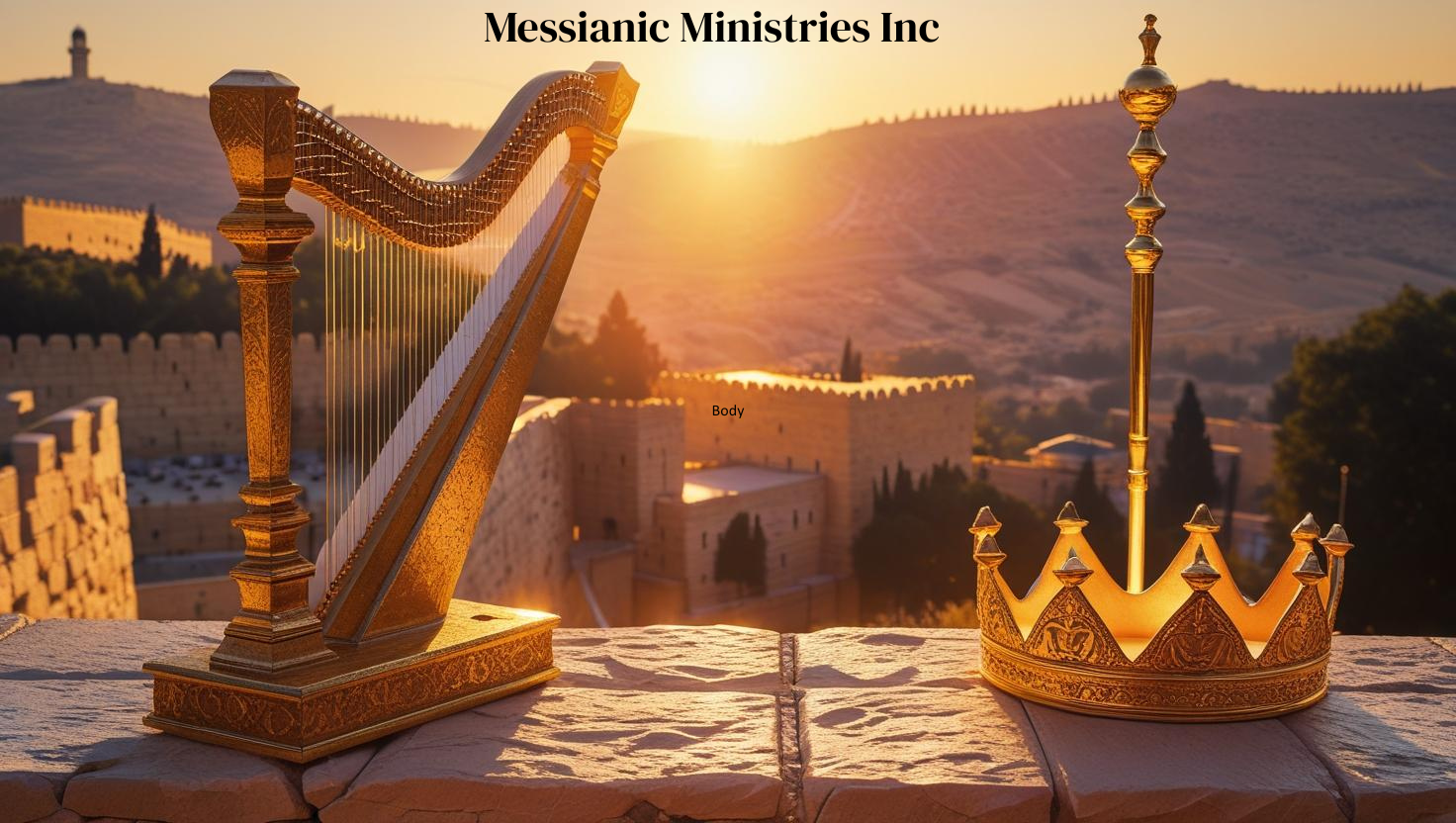
Isaiah 9:7 extends a Messianic prophecy initiated in verse 6, when the Child is referred to as Wonderful, Counsellor, The Mighty God, The Everlasting Father, and The Prince of Peace. The emphasis transitions from His personality to the essence of His eternal reign, which is founded on righteousness and peace.
The assertion that “of the increase of his government and peace there shall be no end” transcends political hyperbole; it serves as a heavenly assurance of perpetual growth. Temporal kingdoms ascend and descend, while the Messiah's governance will continually progress, delivering justice and tranquility to all realms of existence. His governance is simultaneously restorative and progressive—restorative as it recovers what sin has fractured, and progressive as it perpetually enhances His peace within the lives of His followers.
The expression “upon the throne of David” anchors this promise in the Davidic covenant (2 Samuel 7:12–16), wherein God vowed that David’s bloodline would persist eternally. This covenant has its ultimate completion in Yeshua (Jesus), the authentic Son of David, not through a transient restoration of political Israel, but within the everlasting Messianic Kingdom. The angel Gabriel proclaimed to Mary in Luke 1:32–33 that her Son will eternally govern the house of Jacob.
The unwavering nature of this prophesy is rooted in its foundation: “The zeal of the LORD of hosts will accomplish this.” It is not contingent upon human might, political alliances, or military power; it is solely founded on God's fervent dedication to His promises. “Zeal” in this context denotes an ardent affection and a steadfast resolve to fulfill His objectives.
In a realm characterized by fractured leadership and ephemeral peace treaties, Isaiah’s words serve as a reminder that we belong to an unassailable kingdom. The reign of the Messiah is simultaneously a current reality for believers and a prospective hope for the nations. We currently exist under His dominion, enjoying the initial manifestations of His peace, while looking forward to the day when every knee shall bow and every tongue shall acknowledge Him as Lord.
The kingdom of the Messiah will perpetually expand—there are no boundaries or termination.
His reign is grounded in the Davidic covenant and realized in Yeshua.
God’s zeal guarantees the realization of His Messianic promises.
The kingdom of Messiah is not a tenuous aspiration—it is an inexorable reality, fortified by the fervor of the LORD. As His followers, we proceed with the assurance that our King currently reigns and will continue to reign eternally.
#Christianity #jesus #christiantiktok #bible #foryou #cogic #cogbf #cog #apostolic #seventhdayadventist #messianicministriesinc #allnations #fgbcf #tiktok #bibleverse #prophetic #fght #paw
The Anointed Preacher of Good News
Isaiah 61:1
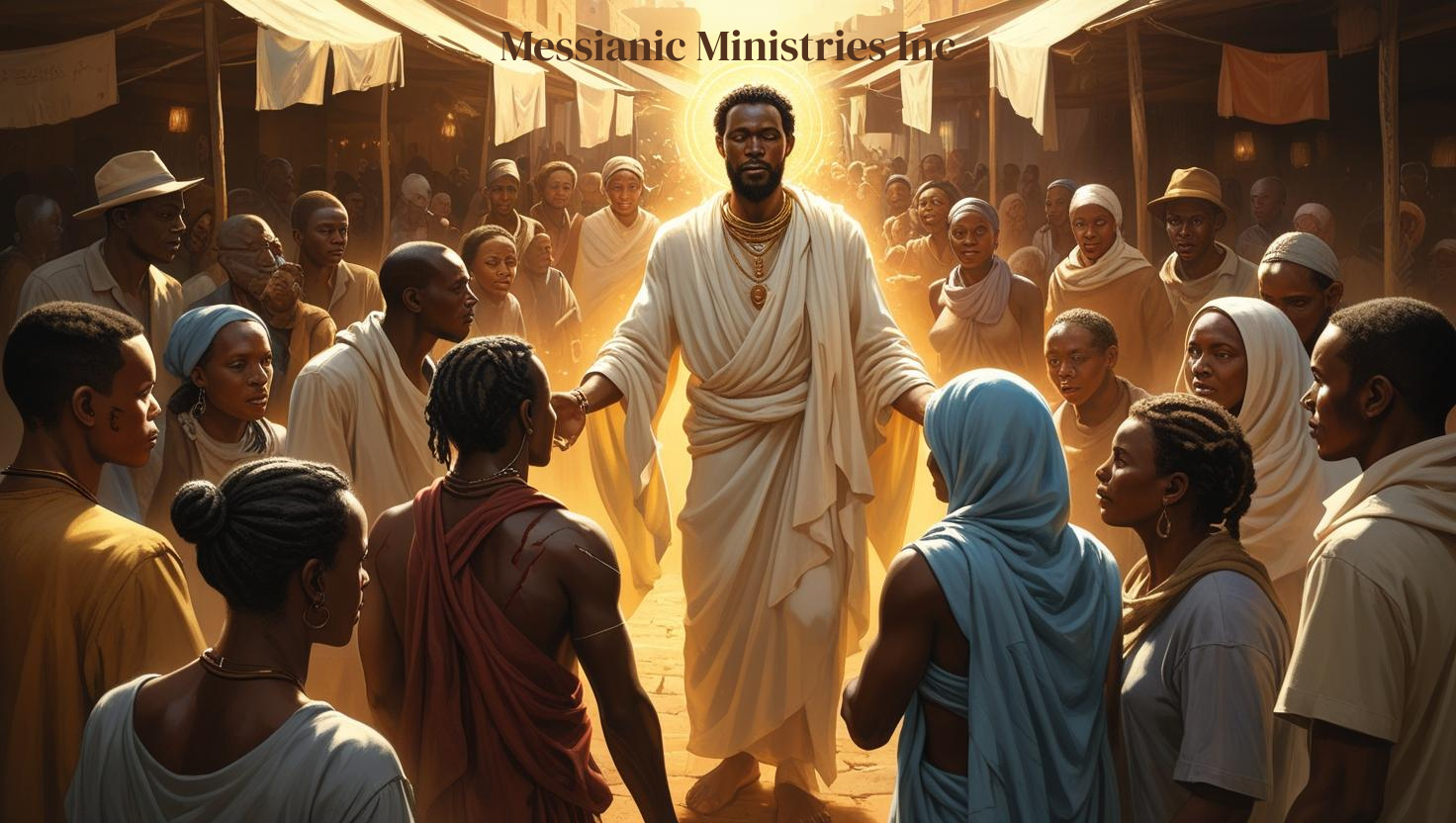
Isaiah 61:1 is a very explicit and intimate Messianic prophecy in the Old Testament. It depicts the Messiah's mission as Spirit-infused, empathetic, and emancipatory.
Centuries later, Yeshua stood in the synagogue of Nazareth, recited this text, and said, “This day is this scripture fulfilled in your ears” (Luke 4:21). At that point, He publicly proclaimed Himself as the Messiah, the realization of Isaiah’s prophecy.
The introductory statement, “The Spirit of the Lord God is upon me,” indicates that the Messiah’s ministry is invigorated by the Holy Spirit. Every miracle He executed, every word He said, and every act of compassion He enacted emanated from that supernatural anointing.
The mission's scope is astonishing:
To proclaim favorable news to the humble: The Messiah’s message is intended for the modest, those who recognize their need on God.
To mend the brokenhearted: He restores not just bodily injuries but also the profound, invisible rifts of the spirit.
To declare emancipation for the imprisoned: This signifies liberation from both corporeal subjugation and spiritual enslavement to sin.
The liberation of those who are incarcerated: A proclamation that individuals bound by darkness and despair may traverse in light and vitality.
In a world where hearts continue to fracture and individuals stay ensnared in cycles of fear, addiction, and injustice, this prophecy retains significant relevance. Yeshua's mission did not conclude with His terrestrial career; it persists via His Spirit in the lives of contemporary Christians.
This paragraph serves as a commission for us. If we are in the Messiah, then His Spirit empowers us to fulfill this task in our generation – to proclaim the good news, console the afflicted, and manifest His liberating power to those in need.
Isaiah 61:1 is directly fulfilled in Yeshua's ministry (Luke 4:16–21).
* The Messiah's mission is characterized by empowerment through the Spirit, compassion, and liberation.
His work encompasses both spiritual and physical requirements.
Adherents are summoned to participate in this task today.
The Anointed One arrived to heal, liberate, and restore — and His Spirit now operates through His followers to fulfill that purpose globally.
#Christianity #jesus #christiantiktok #bible #foryou #cogic #cogbf #cog #apostolic #seventhdayadventist #messianicministriesinc #allnations #fgbcf #tiktok #bibleverse #prophetic #fght #paw
The Anointed One Above His Fellows
Psalms 45:7

Psalm 45 is a regal psalm that commemorates the rule of a divinely ordained King. Although it may originally refer to an old Israelite monarch, its language transcends any terrestrial ruler, alluding to the archetypal Messianic King.
The psalmist depicts an individual who “adores righteousness and detests wickedness” — an impeccable moral benchmark that no human monarch has ever completely achieved. This King is not only honored but also consecrated by God Himself with the “oil of gladness,” a Hebrew metaphor signifying joy, blessing, and divine endorsement.
The New Testament validates the Messianic interpretation of this verse. Hebrews 1:8–9 explicitly cites Psalm 45:6–7, attributing it to Yeshua HaMashiach and affirming the perpetuity of His kingdom. The anointing "above thy fellows" denotes His superiority over all others — prophets, priests, and kings. He is distinctly selected and endowed to govern in absolute holiness.
The symbolism of oil is crucial in Messianic anticipation. In Israel, anointing with oil served as the tangible indication of being designated for a sacred position, be it king, priest, or prophet. The title "Messiah" (Mashiach) signifies "Anointed One." In Christ, these positions coalesce: He is the supreme Prophet who discloses God’s truth, the High Priest who intercedes between God and humanity, and the everlasting King who governs in righteousness.
The "oil of gladness" signifies the joy of His sovereignty – a joy derived not from indulgence, but from impeccable justice and tranquility. His reign is not tyrannical but emancipatory, nor corrupt but virtuous. His anointing bestows blessings not solely onto Himself but also upon all who are under His dominion.
This verse urges believers to reflect His passion for justice and His aversion to wrongdoing. It also encourages us to partake in His joy, since those who belong to Him get a portion of the Spirit’s anointing (1 John 2:20, 27), enabling us to live as citizens of His Kingdom presently.
Psalm 45 prophetically alludes to the Messiah as the impeccably righteous Sovereign.
The "oil of gladness" represents divine joy, blessing, and distinct anointing.
The supremacy of Christ is founded on His flawless love for righteousness.
The Messiah, exalted above all, governs with righteousness and gladness. To follow Him is to traverse the joy of His Kingdom, both now and eternally.
#Christianity #jesus #christiantiktok #bible #foryou #cogic #cogbf #cog #apostolic #seventhdayadventist #messianicministriesinc #allnations #fgbcf #tiktok #bibleverse #prophetic #fght #paw
The King’s Eternal Throne
Psalms 45:6

Psalm 45 is a regal psalm, yet its vocabulary transcends that of any terrestrial monarch—it explicitly alludes to the Messiah. In verse 6, the psalmist refers to the King as God and proclaims the eternal nature of His throne. This is not an exaggeration for a transient ruler but a prophetic disclosure of the divine essence of Christ, the Messiah, who reigns eternally.
The expression "Thy throne, O God" is both grand and theological. It confirms the divinity of the Messiah—a principle subsequently reiterated in Hebrews 1:8, where the author attributes this text to Jesus Christ. This kingdom is unparalleled in human history: it is steadfast, incorruptible, and eternal. Temporal thrones ascend and descend; this throne remains steadfast.
The scepter of your realm is a true scepter that signifies just governance. In antiquity, a scepter signified authority; nevertheless, in the hands of the Messiah, it transcends mere strength, embodying truth, justice, and moral rectitude. Where human government frequently fails due to corruption or bias, the Messiah administers with flawless impartiality.
This chapter provides profound solace to the believer. Christ’s leadership in our life is founded on holiness rather than oppression. His dominion is unconfined by temporal limitations or jeopardized by dissent. In a realm characterized by political turmoil and fluctuating authorities, the everlasting throne of Christ serves as a steadfast source of hope.
This verse serves as an invitation to worship. If His throne is eternal, our allegiance must be unwavering and not contingent upon circumstances. By yielding to His sovereignty, we engage in a kingdom that will endure beyond all empires, rulers, and generations.
The psalmist affirms the Godhead of the Messiah in the address: “Thy throne, O God…”
* His throne is everlasting—immutable and impervious. His scepter symbolizes equitable and just rule.
This vow urges Christians to steadfast loyalty to the King.
The eternal throne of the Messiah is not solely a prophetic symbol—it is a current reality and a future assurance.
The King we worship governs with absolute righteousness and will reign eternally. Placing our trust in Him anchors us in the immutable kingdom of God.
#Christianity #jesus #christiantiktok #bible #foryou #cogic #cogbf #cog #apostolic #seventhdayadventist #messianicministriesinc #allnations #fgbcf #tiktok #bibleverse #prophetic #fght #paw
From Ancient Days
Micah 5:2
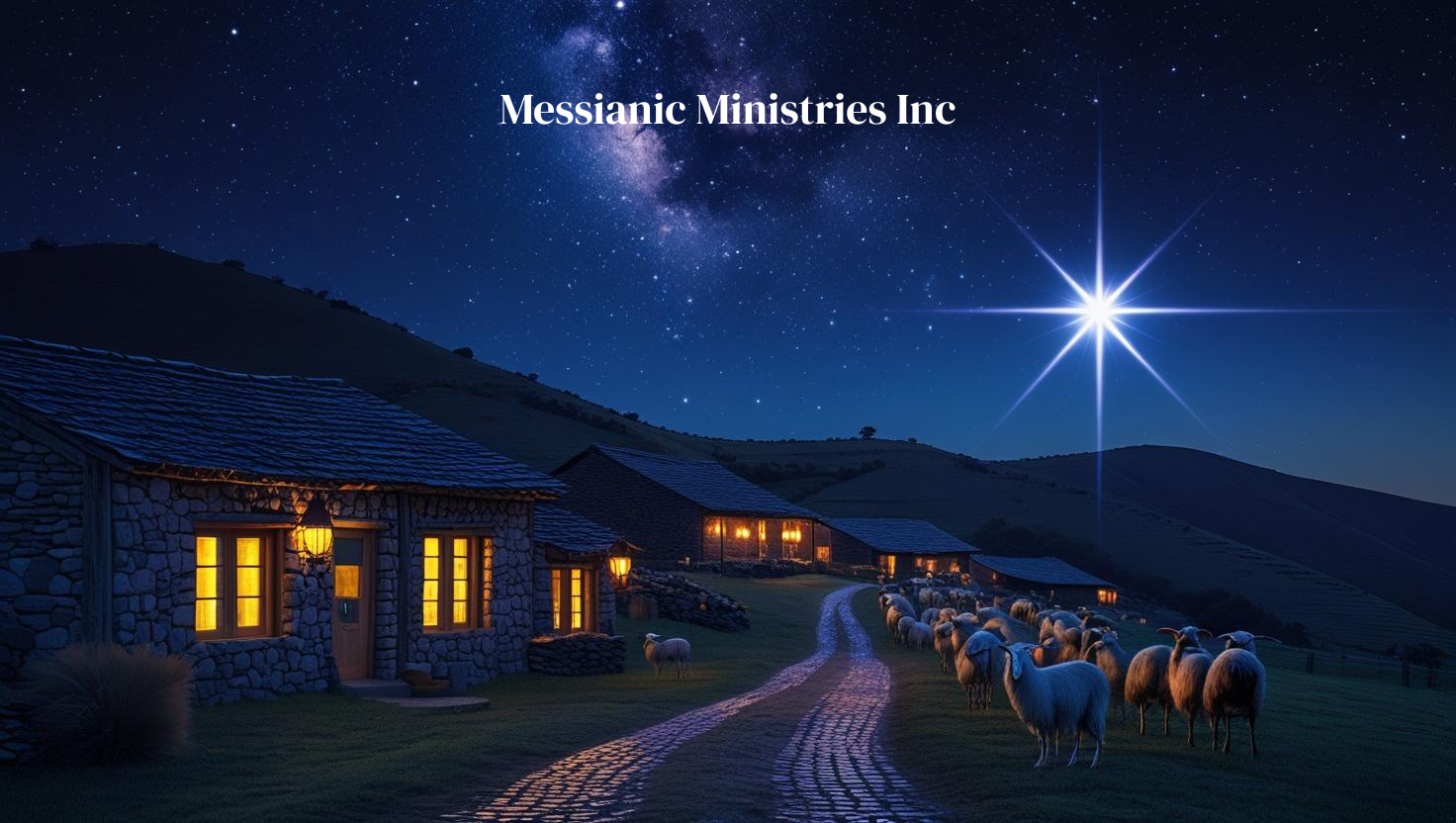
Micah's prophecy identifies the Messiah's birthplace centuries before to the occurrence, illustrating the dichotomy of divine humility and eternal grandeur. Bethlehem, a little and ostensibly inconsequential village, is selected as the setting for God's most profound revelation. The world may anticipate that its leader would emerge from a prominent city; but, the Sovereign Lord takes pleasure in exalting the humble to manifest His glory.
The passage illustrates that divine intentions frequently oppose human anticipations. Bethlehem, "insignificant among the thousands of Judah," serves not as a backdrop for political grandeur but for the advent of the One whose origins are "from eternity." This remark transcends time, affirming the divine essence of the Messiah. He is not only a descendant of David; He is the everlasting Word who was with God and is God (John 1:1).
This prophesy is realized in Matthew 2:1–6, as the chief priests and scribes affirm to Herod that the Christ would be born in Bethlehem. The specifics of Micah's pronouncements, maintained for millennia, directed seekers to the precise site of the world's Redeemer. This is not a coincidence; it is divine orchestration.
The disparity between Bethlehem's insignificance and the Messiah's eternal pre-existence profoundly influences our spiritual journey. Divine providence frequently cultivates its most significant endeavors in locations and individuals that society neglects. Similar to Bethlehem's concealed magnificence, our lives—despite their apparent ordinariness—can serve as the abode for His remarkable intentions.
Micah 5:2 firmly establishes our confidence in the veracity of God’s Word. Each Messianic prophesy realized in Yeshua substantiates that God's promises are fulfilled. His timing is impeccable, his selection of instruments deliberate, and his objective inexorable.
Today, we are urged to place our faith in the God who operates through the insignificant, the disregarded, and the modest to unveil His eternal design. In a world fixated on magnificence, Bethlehem serves as a reminder that celestial splendor frequently arrives subtly; yet, its arrival transforms everything.
* Bethlehem's modesty exemplifies God's principle of elevating the humble.
* The Messiah's origin "from everlasting" affirms His divine, eternal essence.
* God's Word is exact and unwavering in its commitments.
* Remarkable manifestations of divinity frequently originate in ostensibly trivial locations.
The eternal Monarch selected the modest thoroughfares of Bethlehem for His terrestrial arrival, demonstrating that divine authority is not constrained by location or status. By placing our faith in His promises, we can be confident that even the most little aspects of our lives can serve as the origin of His glory.
#Christianity #jesus #christiantiktok #bible #foryou #cogic #cogbf #cog #apostolic #seventhdayadventist #messianicministriesinc #allnations #fgbcf #tiktok #bibleverse #prophetic #fght #paw
The Light to the Gentiles
Isaiah 49:6
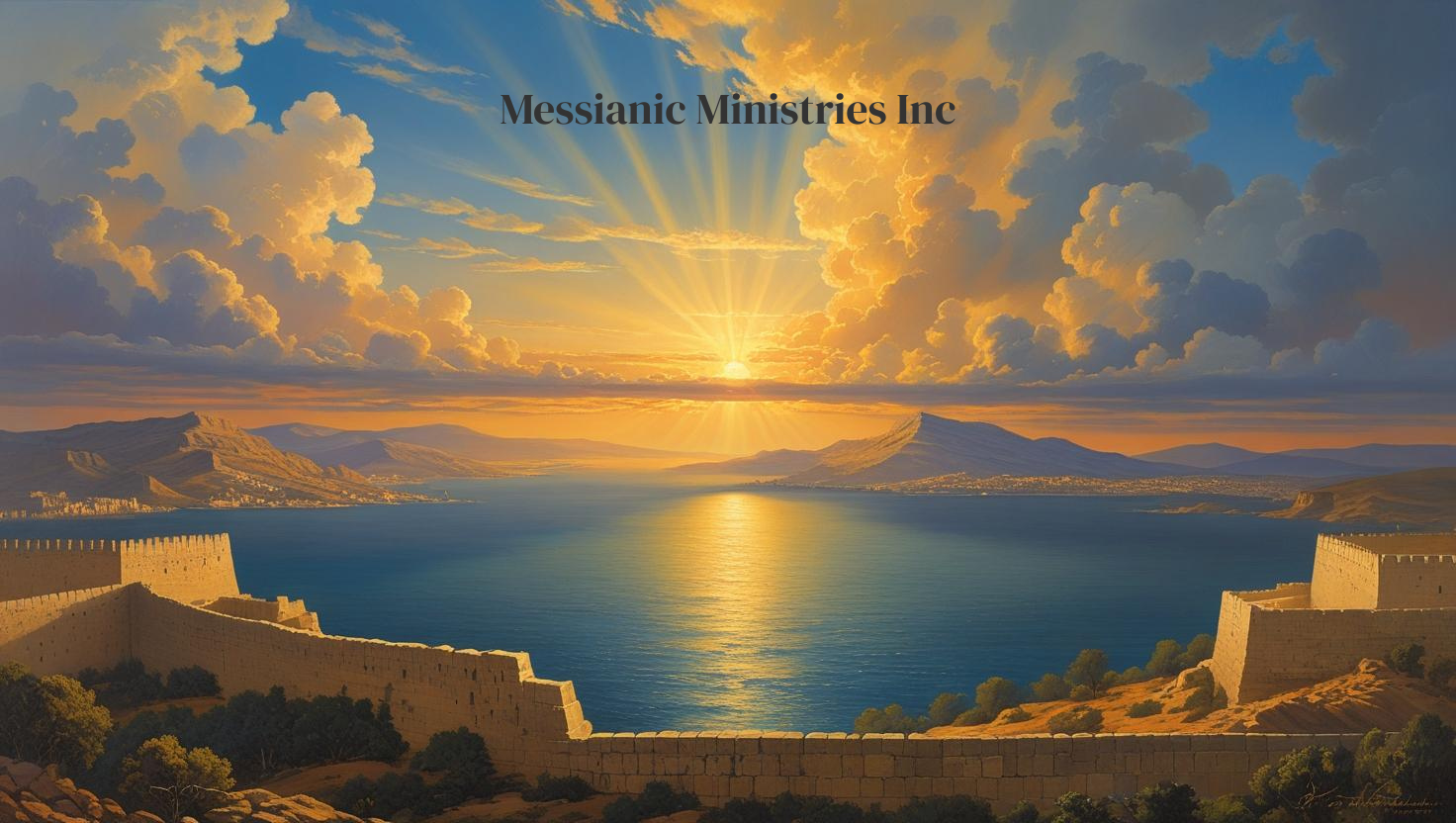
Isaiah's prophecy elucidates the twofold purpose of the Messiah's mission: the restoration of Israel and the salvation of the world. The Servant of the Lord—Messiah Yeshua—is designated not only to “restore the tribes of Jacob” but also to serve as “a light to the Gentiles.” This was a groundbreaking notion for Israel in Isaiah's era, as they perceived themselves as God's covenant people; nonetheless, the Spirit here articulates a purpose that encompasses the entire world.
The expression “a light thing” does not undermine Israel’s restoration; rather, it amplifies the significance of God’s plan. Restoring the covenant people is remarkable, although God's vision is even more expansive: His salvation is intended to reach *“the end of the earth.” In the Messiah, the barrier separating Jew and Gentile would be dismantled, so realizing the promise made to Abraham that “in thy seed shall all the nations of the earth be blessed” (Genesis 22:18).
Yeshua realized this prophesy by His terrestrial ministry and His continual sovereignty. He initially ministered to Israel, urging the lost sheep of the house of Israel to repent, while also extending His outreach to Gentiles, including the Syrophoenician woman, the Roman centurion, and the Samaritan at the well. Following His resurrection, He instructed His disciples to evangelize all nations (Matthew 28:19), disseminating the light to every part of the globe.
Isaiah 49:6 serves as a reminder to contemporary believers regarding their part in this task. We are not only recipients of light; we are its bearers. The light of the Messiah has penetrated the darkness of our existence, enabling others to discern the path to redemption through us.
In an era marked by separation, nationalism, and tribalism that jeopardize unity, this prophecy conveys an enduring truth: the Messiah's Kingdom is without borders, and His light is intended for all humanity.
The Messiah's mission encompasses the restoration of Israel and the salvation of the nations.
The Abrahamic covenant is realized in the worldwide dissemination of the Gospel.
Adherents are summoned to disseminate the Messiah's illumination across all domains of existence.
The Kingdom of God surpasses ethnic, cultural, and national divisions.
The Servant of the Lord arrived not alone for the covenant people of Israel but to illuminate His salvation to the farthest reaches of the earth. In Him, all nations discover hope, and every heart is beckoned into His illumination.
#Christianity #jesus #christiantiktok #bible #foryou #cogic #cogbf #cog #apostolic #seventhdayadventist #messianicministriesinc #allnations #fgbcf #tiktok #bibleverse #prophetic #fght #paw
The Seed of the Woman
Genesis 3:15

Genesis 3:15 is frequently referred to as the Protoevangelium — the inaugural gospel — as it constitutes the initial reference to the Messiah in Scripture. This verse, articulated by God immediately following humanity's transgression, transcends a mere malediction upon the serpent; it embodies a divine assurance of salvation and an announcement of conflict between the serpent's progeny (symbolizing malevolence) and the woman's offspring (the Messiah).
The noteworthy aspect here is the mention of “her seed,” an atypical expression in Hebrew society, where genealogy was traditionally traced through the male. This oddity foreshadows the virgin birth of Christ – born of a woman, yet devoid of male sperm. Jesus is the unique Seed destined to ultimately crush the serpent's head, symbolizing a definitive triumph over Satan, sin, and death.
The contusion on the heel symbolizes the anguish of Christ – His crucifixion — a transient injury. The crushing of the serpent's head signifies a fatal and everlasting strike. On the crucifixion, Yeshua delivered this decisive blow, fulfilling the ancient promise and ensuring triumph for all believers.
This text indicates that God established a redemptive plan from the first. The Messiah was not a mere afterthought. He was the foretold resolution before to the Law and the prophets – intricately embedded in the fundamental structure of the universe.
The initial Messianic prophecy is found in Genesis 3:15, marking the commencement of God's redeeming scheme.
* Prophecy of Virgin Birth: The phrase “her seed” prophetically refers to the miraculous conception of Christ.
* Triumph Through Affliction: Christ's heel was wounded at Calvary, yet Satan's head was irrevocably shattered.
* God's Eternal Plan: Redemption was not a reaction but a preordained event – the Messiah was promised from the outset.
Conclusive Statement: From the inception of human failure, God revealed the assurance of triumph. Jesus, the Seed of the woman, arrived not merely to repair what was fractured, but to vanquish that which aimed to annihilate. As we partake in His triumph today, let us recall: what was prophesied in Eden was realized at Calvary — and continues to be actualized within us. Transform the damaged heel into the emblem of your triumph.
#Christianity #jesus #christiantiktok #bible #foryou #cogic #cogbf #cog #apostolic #seventhdayadventist #messianicministriesinc #allnations #fgbcf #tiktok #bibleverse #prophetic #fght #paw
A Prophetic Like Moses
Deuteronomy 18:15
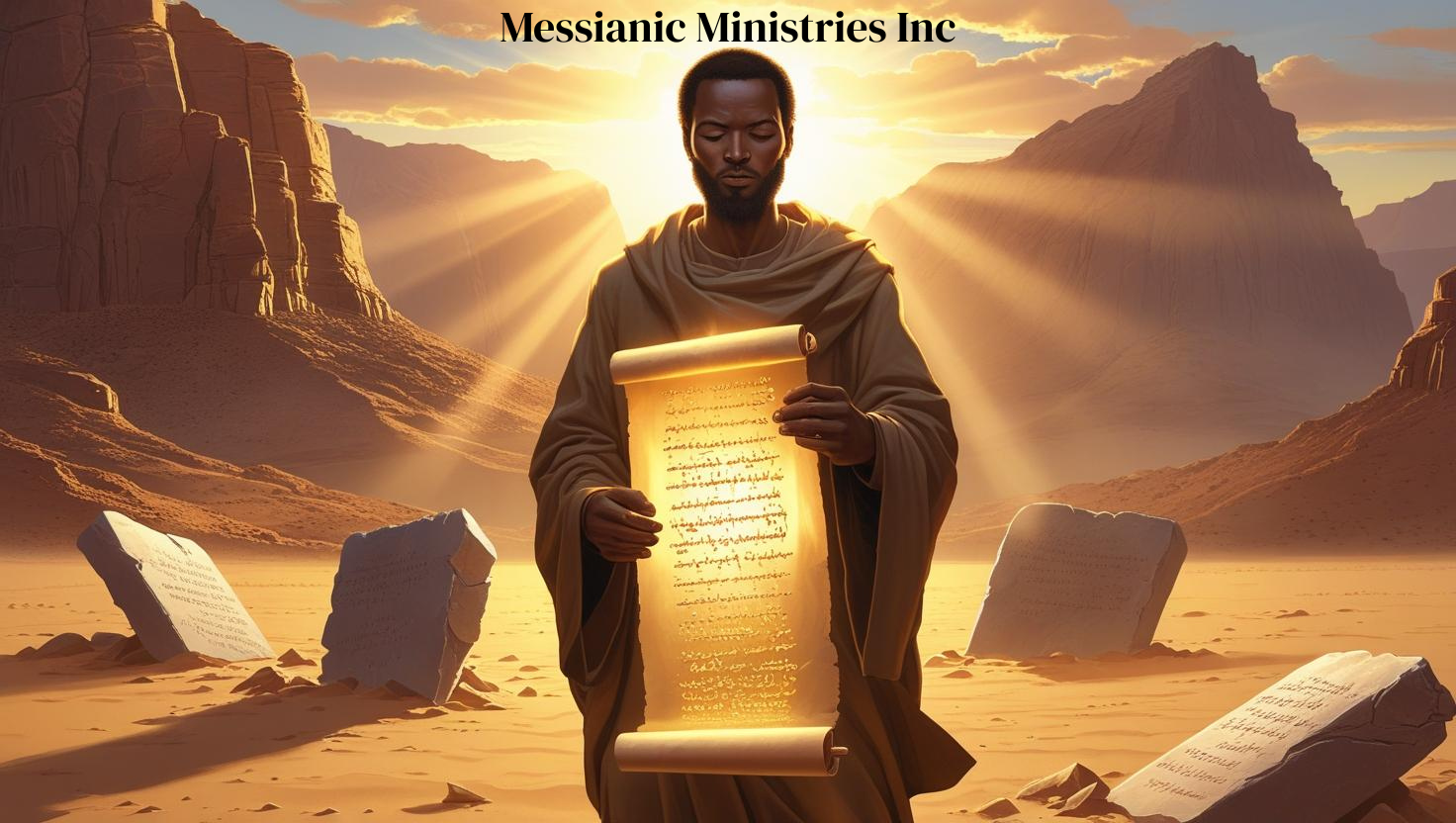
Moses prophesies about a forthcoming Prophet, akin to himself, who will emerge from among Israel. At first look, this may seem to pertain to the prophetic vocation in a general sense. However, the wording is distinctly unique and personal: “a Prophet akin to me…” You shall hear him.
The rabbis have always acknowledged the messianic significance of this verse. It refers to a particular individual who, akin to Moses, would serve as a mediator between God and humanity, receive divine revelation directly, and be distinctly anointed to guide God's people towards covenant fulfillment. Moses declared, “Him you shall heed.” This is not a suggestion—it is an imperative. It resonates at the Mount of Transfiguration as the voice of the Father proclaims, “This is My beloved Son.” Listen to Him! Luke 9:35. Divine endorsement solidifies the identify of the Prophet-Messiah, while divine directive mandates our compliance to Him.
Amidst a cacophony of voices, the need persists: Listen to Him. His words embody spirit and life. His teachings represent the realization of the Torah—not via negation but through embodiment. He is not simply comparable to Moses; He surpasses Moses.
Deuteronomy 18:15 constitutes a fundamental Messianic prophesy that is frequently disregarded. The Messiah represents a new Moses, establishing a superior covenant. The directive to "hear Him" is sacred and obligatory. Yeshua personifies the Torah, actualizing the law and the prophets.
Yeshua (Jesus) fulfills this prophesy with remarkable accuracy:
* Similar to Moses, He was born under peril of death (Pharaoh/Herod).
* Like Moses, He resided in Egypt in the desert for a period. Similar to Moses, He facilitated a covenant; nevertheless, His covenant is new and superior (Hebrews 8:6).
* Similar to Moses, He ascended a mountain, proclaimed divine law, and radiated splendor (Matthew 17:2).
* In contrast to Moses, He is not merely a servant within the house; He is the Son presiding over the home (Hebrews 3:5–6).
The Prophet akin to Moses has arrived, and His name is Yeshua. He articulates not merely divine words but speaks as God Himself. Let us mute inferior voices and attune our ears to the One whom the Father instructs us to heed. By heeding His voice, we engage in covenant, truth, and life.
#Christianity #jesus #christiantiktok #bible #foryou #cogic #cogbf #cog #apostolic #seventhdayadventist #messianicministriesinc #allnations #fgbcf #tiktok #bibleverse #prophetic #fght #paw
The Man Whose Name is The BRANCH
Zechariah 6:12

This potent prophetic declaration occurs during the coronation of Joshua the high priest, although it surpasses the historical setting and anticipates a more significant figure—the Messiah, designated here as “The BRANCH.” In Hebrew, the term Tzemach (צֶמַח) signifies not only growth but also divine emergence—one who arises via the Lord's agency rather than human design.
The Lord proclaims, “Behold the man...”—a statement subsequently reiterated by Pilate when he inadvertently introduces Yeshua to the populace (John 19:5). The alignment is not fortuitous. Both instances prophetically reference a character who embodies priest, monarch, and sufferer—whose fate is intertwined with divine creation. The Branch "shall grow up out of His place," indicating He will emerge from unforeseen origins—similar to a root from arid soil (Isaiah 53:2). Despite originating in obscurity, His divine purpose will elevate Him with authority. His development is neither artificially constructed or institutionally promoted, but rather spontaneously decreed by the Lord of Hosts.
This Branch shall "construct the temple of the Lord." As Zerubbabel's hands constructed the physical second temple, the Messiah's hands would establish a superior, spiritual temple—the ekklesia, comprised of both Jew and Gentile, united in the Spirit. His is a living sanctuary, not constructed by human hands, into which we are being assembled like living stones (1 Peter 2:5).
This verse integrates royal authority, sacerdotal intercession, and eschatological realization. Yeshua, our celestial High Priest, presently intercedes in the skies while also reigning as King of kings. He alone possesses the qualifications to reconcile divine justice with mercy and to construct the temple of the Lord within and among us.
* Messianic Identity: “The BRANCH” is a designation exclusively attributed to the Messiah in many prophetic texts (Isaiah, Jeremiah, Zechariah).
* Divine Growth: The Messiah expands "beyond His designated realm," emphasizing divine emerging over terrestrial advancement.
* Temple Motif: Christ establishes a spiritual temple, comprising a community inhabited by the presence of God.
* Dual Office: Yeshua embodies both priestly and kingly functions in harmonious union.
Observe the individual known as the BRANCH—the one who ascended from insignificance to prominence, constructing an everlasting temple not with stone, but with lives inspired by the Spirit. Let us surrender to His will, be molded into His sanctuary, and exist as vessels of His indwelling presence, anticipating the day when the true temple will fall from heaven, replete with His glory.
#Christianity #jesus #christiantiktok #bible #foryou #cogic #cogbf #cog #apostolic #seventhdayadventist #messianicministriesinc #allnations #fgbcf #tiktok #bibleverse #prophetic #fght #paw
The Star Shall Rise
Numbers 24:17
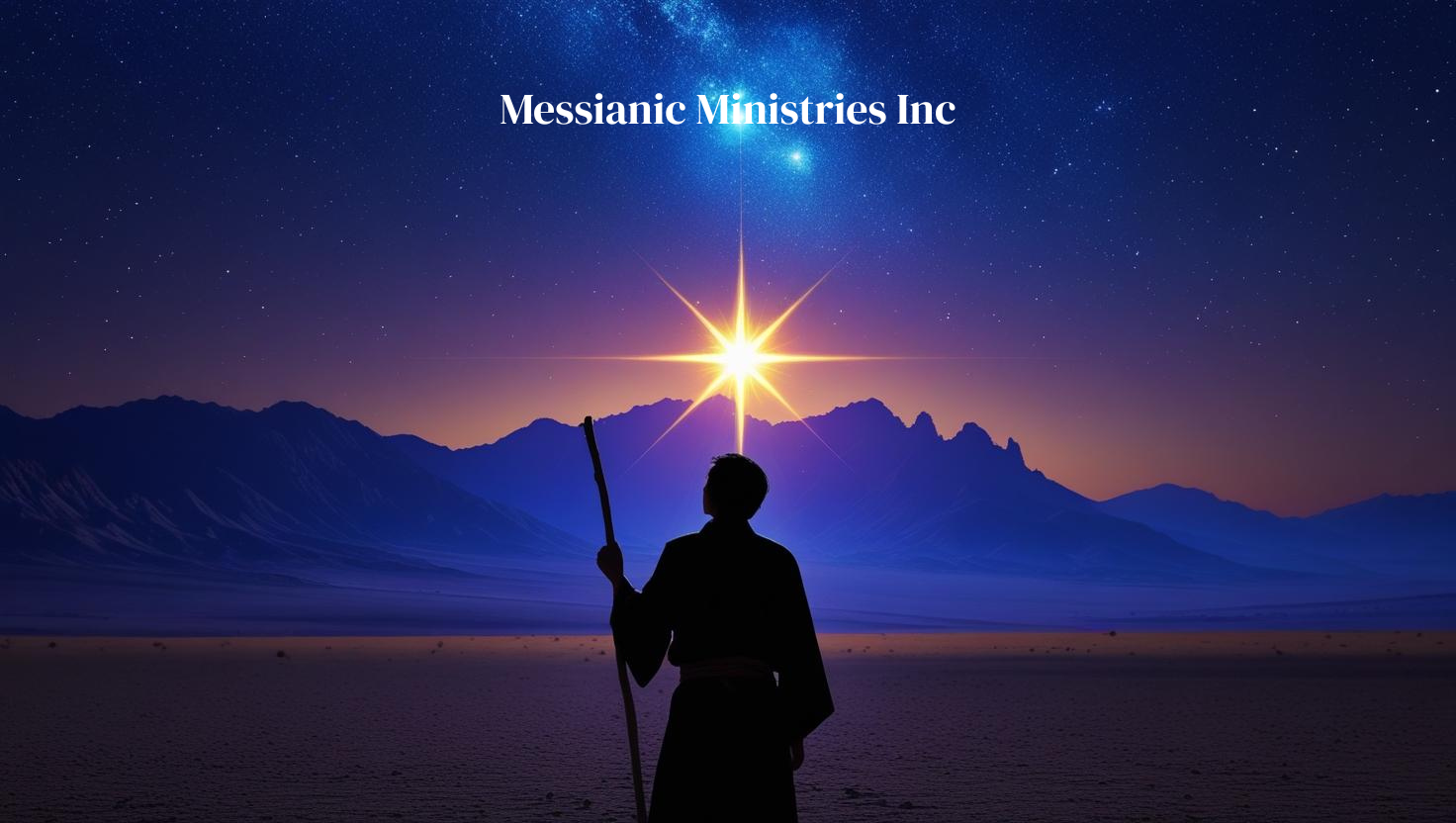
Within the enigmatic utterances of the hesitant prophet Balaam resides one of the most potent Messianic predictions of the Torah. This poem, spoken by a Gentile seer under divine compulsion, anticipates a Savior who will emerge not instantaneously, but inexorably. "I perceive Him, albeit not presently..." – a foresight of the future enveloped in celestial assurance.
The "Star" emerging from Jacob transcends mere celestial poetry. In ancient Hebrew culture, stars frequently represented kings, divine proclamations, and celestial validation. This prophetic metaphor is ultimately realized in the Gospel of Matthew, as magi from the East pursue a tangible star — a celestial sign announcing the birth of the King.
The "Scepter" symbolizes power and sovereignty. The dual imagery of the star above and the scepter below elegantly unites celestial observation with terrestrial authority. This prophesy explicitly refers to Jesus the Messiah, both divine and regal, emanating from the lineage of Jacob and ruling with justice.
This text conveys that God's promises may experience postponement, but are never repudiated. The Messiah's advent occurred millennia after Balaam's pronouncements – yet each syllable was realized. What is uttered by God shall never return unfulfilled. We exemplify the reality that the Star has ascended, and the Scepter is securely in His grasp.
This prophecy provides hope for contemporary believers. In times when Christ appears remote and the world becomes bleak, we raise our gaze – for the Star continues to illuminate. His scepter continues to govern.
Prophecy from unforeseen sources (Balaam) validates God's authoritative pronouncement.
The Star and Scepter signify divine identity and royal authority in the Messiah.
Fulfillment is attained through Jesus, the Light of the World and King of Kings.
It fosters faith in postponed promises – God's Word is inexorable.
When you see a lack of proximity to your aspirations, elevate your gaze. The Star has ascended, the Scepter is certain — and the Messiah continues to rule from Jacob’s lineage, illuminating our path with everlasting light.
#Christianity #jesus #christiantiktok #bible #foryou #cogic #cogbf #cog #apostolic #seventhdayadventist #messianicministriesinc #allnations #fgbcf #tiktok #bibleverse #prophetic #fght #paw
The Pierced One Will Reign
Zechariah 12:10
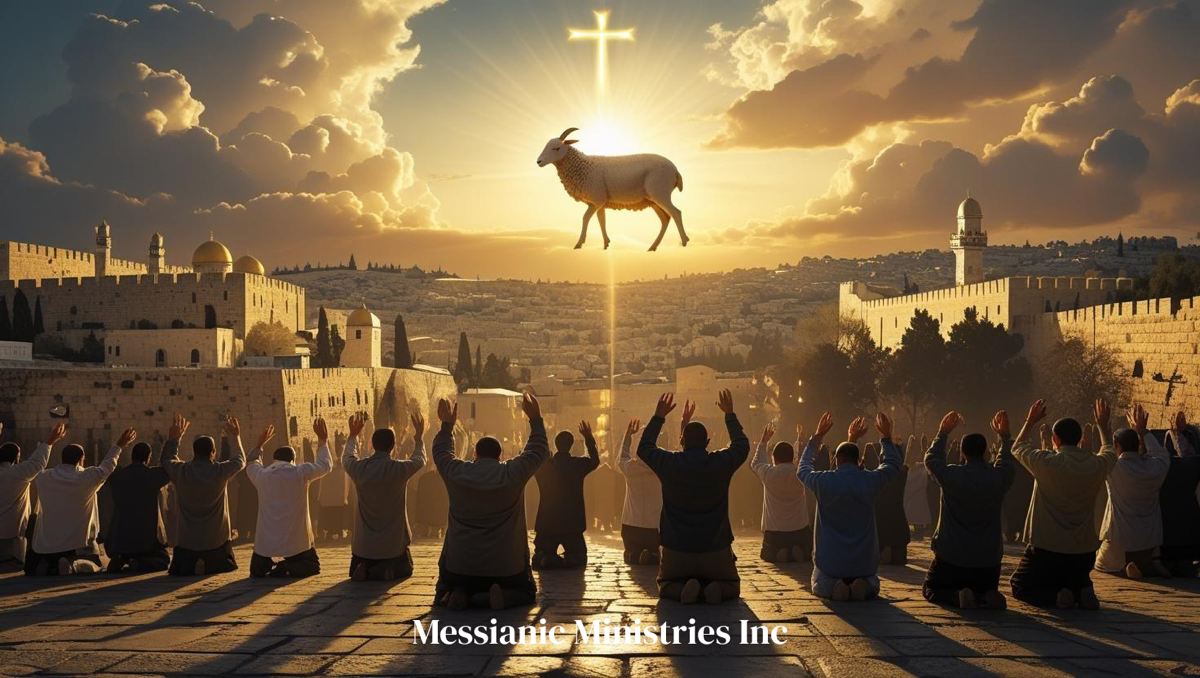
Zechariah 12:10 is a significant prophetic element in the context of Messianic anticipation. The Spirit of God articulates not only Israel's forthcoming salvation but also the acknowledgment of the Messiah they previously repudiated — “the one whom they have pierced.” This piercing is both literal and metaphorical, alluding to the crucifixion of Yeshua (Jesus), the suffering Servant of Isaiah 53, and the profound injury to the covenant connection.
This passage captures the divine paradox: the rejected Messiah becomes the revealed Messiah. God bestows a spirit – not of condemnation, but of grace and entreaty. This is the Spirit that rouses the heart to repentance, enabling Israel to perceive Yeshua not as a blasphemer, but as the promised One, the Son of David, and the slain Lamb.
Observe the emotional reaction: grief akin to that experienced for an only offspring. This is profound, covenantal pain rather than superficial remorse – the anguish arising from love and revelation. It signifies the instant when the veil is removed from the eyes of Israel, and the authentic identity of the Messiah is acknowledged.
This theologically anticipates Romans 11:26, in which Paul asserts, “And in this way all Israel will be saved.” This national acknowledgment of the Messiah will be the pinnacle of redemptive history. The reviled One, before derided, shall be exalted as Sovereign.
* Messianic Fulfillment – Zechariah foretells the crucifixion centuries before to Golgotha.
* Spiritual Awakening – The outpouring of the Spirit yields revelation rather than wrath.
* National Repentance – Israel's lamentation signifies a prophetic return to the Messiah.
* Divine Reversal – The One who was rejected transforms into the source of deliverance.
* Theology of the Pierced – The suffering of the Messiah is fundamental to His grandeur.
Conclusion: The Messianic promise in Zechariah 12:10 signifies that God's work with Israel is ongoing, encompassing a national revival and the acknowledgment of Yeshua as the Messiah. Let us pray for the day when hearts throughout Israel – and the countries — will gaze at the Pierced One and weep not in despair, but in transformative grace. The One who was pierced will govern.
#Christianity #jesus #christiantiktok #bible #foryou #cogic #cogbf #cog #apostolic #seventhdayadventist #messianicministriesinc #allnations #fgbcf #tiktok #bibleverse #prophetic #fght #paw
Out of the Depths I Cried unto Thee
Psalms 130:1-2

Psalm 130 is recognized as one of the Songs of Ascents, traditionally performed by pilgrims en route to Jerusalem. This psalm commences with a lament from the depths—a realm of sorrow, failure, or oppression. In Hebrew, the term for "depths" (ma‘amaqqîm) conjures images of profound seas, where stability is compromised and air is limited.
The psalmist invokes not merit but kindness. The request is not trivial. It is urgent, persistent, and cognizant of the sanctity of the entity being addressed. This is not simply a personal grievance—it is a national outcry, profoundly Messianic in nature. Israel has historically lamented from the depths of exile, transgression, and a yearning for redemption.
The Messiah, Yeshua, personifies this lamentation. On the cross, He exclaimed, “My God, My God, why have You abandoned me?” Matthew 27:46, compare Psalm 22:1. He penetrated our depths, plunged into our afflictions, and ascended victorious to guide His people forth. The psalm commences in darkness yet concludes with optimism: “With the LORD there is mercy, and with him is abundant redemption” (v. 7).
We must learn to weep appropriately—from the depths, but directed towards the Lord. The Messianic hope does not negate the anguish of despair; it transmutes it into the origin of supplication, contrition, and rejuvenation.
The Plea of the Just Emerges from the Abyss: Genuine intercession originates in fragility, not solace.
The Lord Attends to the Voice of Plea: His ears are receptive to those who approach with a contrite spirit (Psalm 34:18).
The Messiah Penetrated Our Abyss: Yeshua descended to elevate us from the nadir (Philippians 2:8–11).
Redemption Is Plentiful: God's covenantal love is characterized by abundance rather than deficiency.
Israel's Hope Resides in the LORD: This serves as a national and prophetic summons to return to Him in the final days.
#Christianity #jesus #christiantiktok #bible #foryou #cogic #cogbf #cog #apostolic #seventhdayadventist #messianicministriesinc #allnations #fgbcf #tiktok #bibleverse #prophetic #fght #paw
The Latter Rain is His Gift
Joel 2:23

The precipitation in Joel 2 transcends mere meteorological phenomena. It is prescient. God addresses Zion regarding both agricultural sustenance and spiritual rejuvenation. The "former rain" denotes the initial precipitation in Israel's agricultural cycle that readies the soil for cultivation. The "latter rain" matured the produce. Joel proclaims that both will unite—a convergence of seasons indicating divine favor.
This passage possesses multifaceted significance in the context of Messianic anticipation. The "former rain" refers to the outpouring at Pentecost, marking the commencement of the harvest of souls via the early Church. The "latter rain" signifies the ultimate outpouring, a worldwide revival that occurs before to the Messiah's return. They collectively encapsulate the redemptive period.
God does not distribute rain arbitrarily. He is exact. The term “in the first month” (perhaps referring to Abib or Nisan) links this promise to Passover—the period of liberation. Consequently, the rain arrives with covenantal precision.
For Messianic believers, this transcends mere metaphor. We foresee the restoration of Israel, the arrival of the Messiah, and the rejuvenation of all existence. The initial precipitation commenced the task. The final precipitation will complete it.
The Spirit is once more agitating the depths of our souls. Anticipate precipitation.
• Dual Rain Symbolism: The previous rain (Pentecost) and latter rain (final outpouring) elucidate the complete Messianic era.
• Covenantal Timing: The "first month" corresponds with God's redemptive calendar (Exodus 12:2).
• Zion's Exultation: The offspring of Zion are summoned to exult before to the rain—faith rejoices in the promise.
• Prophetic Fulfillment: This pertains not only to agriculture but also to eschatology—concerning the harvest of the end times.
• Messiah in the Rain: Christ serves as both the Sower and the Reaper. He dispatches the precipitation for the ultimate harvest.
#Christianity #jesus #christiantiktok #bible #foryou #cogic #cogbf #cog #apostolic #seventhdayadventist #messianicministriesinc #allnations #fgbcf #tiktok #bibleverse #prophetic #fght #paw
The Day of Thy Visitation
St Luke 19:42

Yeshua's anguish for Jerusalem transcends mere sorrow; it constitutes a prophetic judgment. “This thy day” denotes a singular and divinely designated event in Israel's history: the prophesied entrance of the Messiah (cf. Daniel 9:25–26). The tragedy is not in the attainment of peace, but in its repudiation.
The "matters pertaining to your peace" refer to reconciliation with God via the Messiah—peace grounded in the fulfillment of the covenant. However, national myopia, exacerbated by religious fervor and political opposition, rendered peace unattainable. The verbs abruptly change: “but now they are concealed from your sight.” The passive voice conveys information. What was formerly accessible is now divinely obscured.
This spiritual moment encourages serious contemplation. Every life experiences a "day of visitation"—a period when the divine approaches, the Spirit invigorates, and grace beckons. Failing to attend that visitation jeopardizes the unique blessings that God provides in His designated time.
This verse serves as both a caution and a solace for contemporary believers. The admonition is explicit: recognize the time. The solace is equally evident: Yeshua weeps, not from frailty, but in supplication. His grief demonstrates His affection. Rejection cannot nullify His redemptive plan. The cross was not a mere contingency; it was the route to resurrection.
Jerusalem is poised to succumb. The temple will be demolished. From the ashes, a new covenant community would emerge—Jews and Gentiles united in the resurrected Messiah. Today, the curtain continues to lift for those willing to perceive.
• Divine Visitation: God designates instances of revelation. The absence of them yields repercussions.
• Messiah’s Lament: Yeshua’s sadness exemplifies His covenantal love rather than just emotional distress.
• Peace Through Messiah: Genuine peace (shalom) is not contingent upon circumstances; it is relational and redemptive.
• Prophetic Timing: “This thy day” signifies the realization of prophecy; we must ascertain the temporal context of our own generation.
• Spiritual Blindness: Continuous rejection of truth may result in its concealment through divine judgment.
• Optimism Beyond Rejection: Even amidst judgment, God safeguards a remnant and reconstructs via grace.
#Christianity #jesus #christiantiktok #bible #foryou #cogic #cogbf #cog #apostolic #seventhdayadventist #messianicministriesinc #allnations #fgbcf #tiktok #bibleverse #prophetic #fght #paw