
Walking in the Spirit of the Messiah
Galatians 5:16

Paul speaks with apostolic urgency, not offering suggestion but divine strategy. Walk in the Spirit. The command is active, continuous, and relational. This is not a momentary impulse but a sustained manner of life. The promise is equally decisive. You shall not fulfil the lust of the flesh. Victory is not achieved by confrontation alone but by occupation. When the Spirit governs the walk, the flesh loses its dominion.
This is a Messianic word because it flows directly from the work of Christ. The Spirit in whom we walk is the Spirit of Christ. The command assumes the accomplishment of the cross, the resurrection, and the ascension. The Messiah has not only forgiven sin but has displaced its rule. The Spirit is given not merely to comfort but to conquer.
Today’s promise is not sin management but transformed desire. The flesh is not subdued by law but rendered ineffective by life. Where Christ reigns by His Spirit, the old mastery collapses. This is covenantal language. Walk and you shall not. Command and promise are inseparable.
Jesus is the true Spirit-filled Man. He walked perfectly in the Spirit and never fulfilled the lust of the flesh. His obedience becomes both our justification and our pattern. Through union with Him, His Spirit becomes our indwelling power. The Messianic promise here is participation. What Christ embodied, believers now experience by the Spirit.
Galatians does not call the church back to Sinai but forward into Christ. The Spirit is the eschatological gift of the Messiah, the evidence that the new age has already broken into the present.
Your underlying argument rightly emphasizes spiritual victory, but several gaps often weaken its force.
First gap. The assumption that believers can overcome the flesh through intensified discipline without addressing dependency. Paul does not say resist the flesh and then walk in the Spirit. He reverses the order. The flesh is defeated as a consequence, not a target.
Second gap. The tendency to treat the Spirit as an aid rather than a governor. Walking implies submission, pace, and direction. Many affirm the Spirit’s presence but resist His control. This undermines the promise.
Third gap. The neglect of Christological grounding. The exhortation is sometimes preached as moral improvement rather than Messianic fulfillment. Without anchoring the command in Christ’s finished work, the text risks becoming another law rather than good news.
Fourth gap. An underdeveloped theology of desire. The verse is often framed around behavior, but Paul addresses fulfillment. The Spirit does not merely restrain actions but reshapes affections.
Addressing these gaps strengthens the argument by aligning exhortation with gospel power, promise with provision, and command with Christ.
If the flesh still dominates, the issue is not the strength of temptation but the distance of the walk. Nearness to the Spirit is not mystical abstraction but daily surrender. Every step taken under His influence is a step away from the tyranny of old desires.
This promise invites trust. God does not command what He does not empower. He does not expose the flesh to shame you but to free you. The Spirit is not given to supplement effort but to replace self-rule.
Today, choose the walk. Yield the pace. Submit the direction. The promise is sure. You shall not fulfil the lust of the flesh.
The Messianic age is not awaited. It is inhabited. Walk in the Spirit today and let the life of Christ be made visible in you. Where the Spirit leads, the flesh cannot rule. Where Christ reigns, freedom is not aspirational. It is assured.
#Christianity #jesus #christiantiktok #bible #foryou #cogic #cogbf #cog #apostolic #seventhdayadventist #messianicministriesinc #allnations #fgbcf #tiktok #bibleverse #prophetic #fght #paw
Entering the Freedom of the Messiah
St John 8:31-32

These statements of Jesus are among the most frequently cited and yet most misconstrued assurances in the Gospels. Christ addresses not skeptics, but those who have already placed their faith in Him. The assurance of freedom is not presented as an abstract concept but as the result of a disciplined, lasting relationship with His message. The Messianic assertion is unequivocal. Jesus asserts Himself as the manifestation and discloser of divine truth, the essential conduit through which covenant bondage is liberated.
The conditional phrase is intentional. "Continuing in my word" signifies that perseverance is the hallmark of genuine discipleship. Continuance denotes submission, development, and perseverance. It dismisses transient convictions that lack metamorphosis. In Messianic fulfillment, Jesus embodies the living Torah, inviting Israel and the nations into a restored covenant where truth is not only academically apprehended but relationally experienced.
In Johannine theology, the understanding of truth is both experiential and covenantal. It is a form of understanding that transforms loyalty and identity. The promised freedom is not political autonomy or emotional solace, but emancipation from sin, deceit, and self-governance. The Messiah does not deceive the believer with immediate freedom. He draws the disciple into a process wherein truth challenges deception, reveals bondage, and subsequently liberates the soul through obedience.
This chapter necessitates a serious examination of modern professions of faith. Numerous individuals assert the liberty of Christ while neglecting the discipline of adhering to His teachings. The outcome is a doctrine of slogans rather than acquiescence. Jesus provides no such expedient. Liberty emanates from loyalty. Truth emancipates solely when it is accepted, adhered to, and actualized.A prevalent deficiency in instructing this text is the separation of verse 32 from verse 31. Freedom is frequently proclaimed without highlighting its sustainability. Another deficiency is the reduction of truth to mere facts instead of covenantal alignment. Neglecting these issues renders the promise emotional instead of transformative.
Discipleship is evidenced by steadfastness in Christ's teachings.
Truth in the Messiah is relational rather than solely doctrinal.
Freedom results from obedience, rather than substituting it.
Jesus embodies the Messianic role as the living embodiment of truth.
The Messianic promise of liberation is genuine, yet it is not trivial. Christ instructs His disciples to abide, to acquire knowledge, and to yield. By adhering to His word, truth transforms from a mere concept into a powerful force. Through that hallowed obedience, the shackles dissolve, and the liberation of the Messiah is completely manifested.
#Allnations #ame #apostolic #baptist #bible #bibleverse #catholic #christianity #christiantok # cme ##cog #cogbf #cogic #fgbcf #fght #foryou ##islam #jesus #messianicministriesinc #paw #prophetic #seventhdayadventist #tiktok #holyspirit #engagement
The Commandment Completed in the Messiah
1st John 4:21
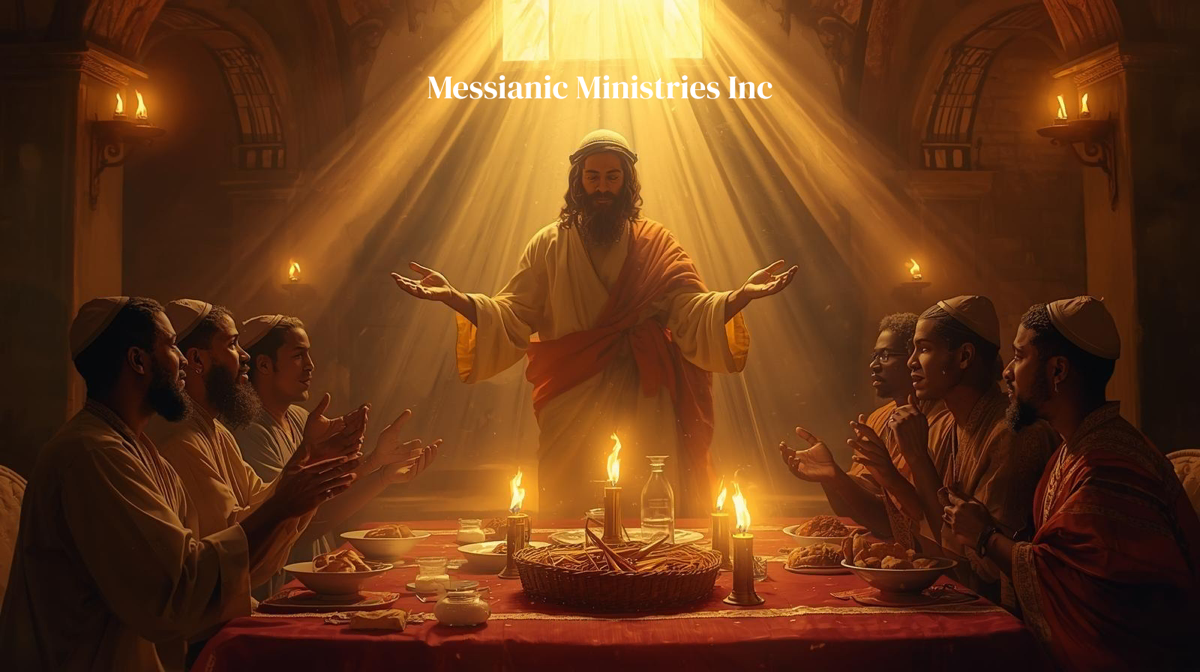
This verse serves as a sacred encapsulation of the Messianic principle. John refrains from providing suggestions or expressing sentiments. He proclaims a divine mandate received from God and realized in Christ. The love for God and the love for one's brother are not autonomous values that may be selected separately. They are interconnected truths rooted in the incarnation of the Messiah.
The Messianic promise entails not only God's presence among humans but also the restoration of human relationships. In Jesus, love transcends just abstract devotion. It manifests as embodied obedience. One who professes love for God must manifest that declaration via tangible, sacrificial, and interpersonal love for others. This exemplifies the practical application of covenant commitment.
John composes with ecclesiastical authority and apostolic fervor. His critique of Christian maturity reveals superficial spirituality that professes closeness to God while permitting estrangement, disdain, or apathy towards others. The Messiah did not express love from a distance. He assumed corporeal form, engaged with the impure, endured repudiation, and sacrificed Himself.
Consequently, Messianic faith that eschews love for others undermines its own foundation. The compelling nature of this commandment is rooted in its origin and rationale. It originates from Him. Divine proclamation has been made. It adheres to the motif of redemption. If Christ loves us despite our sins, then love for our brethren is imperative and not contingent upon their merit. The evidence indicates that the Messianic promise resides within us.
This work compels the reader to do an honest assessment. Affection for God that fails to manifest as affection for others constitutes inadequate obedience. It may be genuine in sentiment but lacking in results. The Messiah advocates for a love that extends beyond limits and embodies the divine nature manifested in Christ.A prevalent deficiency in instructing this verse is the inability to define love in accordance with biblical principles. Absent the basis of love in the self-sacrificial actions of Christ, the commandment may be diminished to mere tolerance or emotional affection. Another deficiency is the oversight of the corporate aspect.
John focuses on communal existence rather than solely on personal ethics. Ultimately, certain arguments highlight obligation devoid of transformation, overlooking the Spirit's role in facilitating this love through connection with the Messiah.
The commandment derives from divine authority, not human morality.
Messianic love is evident, relational, and sacrificial.
Affection for God is validated by affection for others.
Community serves as the testing ground for genuine faith.
The Messianic promise is validated not only by our confessions regarding Christ but also by our expressions of love inspired by Him. When love for God transforms into love for our neighbor, the commandment is actualized, the gospel gains credibility, and the life of the Messiah is manifested through us in the present.
#Christianity #jesus #christiantiktok #bible #foryou #cogic #cogbf #cog #apostolic #seventhdayadventist #messianicministriesinc #allnations #fgbcf #tiktok #bibleverse #prophetic #fght #paw
The King’s Appeal Through His Sent
2nd Corinthians 5:20

Paul's assertion is not a metaphorical convenience but a statement of covenantal truth. The Messiah has not only reconciled humanity conceptually. He has created a functioning embassy on Earth. In Christ, God does not proclaim loudly from the heavens. He implores through salvaged voices. This verse elucidates the honor and the weight of gospel ministry. The reconciled assume the role of representatives. The absolved transform into emissaries.
The Messianic promise contained herein is that reconciliation is achieved yet continues to be preached. Divine initiative precedes human response. The attraction is based not on human argument but on divine achievement. Christ has already taken action. The crucifix has already conveyed its message. The resurrection has already affirmed the message. Thus, the appeal for reconciliation is not a solicitation to attain peace but to accept it.
A prevalent flaw in our reasoning arises when reconciliation is diminished to mere personal comfort instead of a formal inquiry. We assert that Christ redeems us, yet we are reluctant to acknowledge that He commissions us. A further discrepancy arises when diplomats neglect the King's tone. Paul does not assert that God compels or condemns. He implores. The dominion of heaven is manifested through humility, patience, and love. When the church relinquishes this stance, the message's trustworthiness diminishes, even if the language remains orthodox.
Paul compellingly invokes identity, authority, and urgency. We embody our identity as ambassadors. We speak on behalf of Christ with authority. Immediate action is required. This triangle challenges complacency. If Christ genuinely reigns, neutrality is unattainable. Receiving the message constitutes an invitation. Conveying the gospel entails engaging in the Messianic mission of restoration.
The passage's strength lies in its Christocentric reasoning. God restores harmony. Divine providence. Divine entreaties. Human response is solicited but never compelled. The sole vulnerability emerges when we dissociate declaration from manifestation. An ambassador must articulate the King's voice and embody the essence of the King's sovereignty.
* Reconciliation occurs prior to its declaration.
* Ambassadorship constitutes identity rather than a voluntary position.
* Divine authority manifests via sincere appeal, not through coercion.
*The reliability of the communication is contingent upon the integrity of the messenger.
The current Messianic promise guarantees that the resurrected Christ continues to communicate, advocate, and reconcile through His followers. To embrace this term is to return home. To embody this word is to position oneself at the threshold and articulate on behalf of the King with veracity, modesty, and sacred immediacy.
#Allnations #ame #apostolic #baptist #bible #bibleverse #catholic #christianity #christiantok # cme ##cog #cogbf #cogic #fgbcf #fght #foryou ##islam #jesus #messianicministriesinc #paw #prophetic #seventhdayadventist #tiktok #holyspirit #engagement
One in the Messiah: The Promise That Reorders Humanity
Galatians 3:28

Galatians 3:28 serves as a fundamental summary of Paul's assertion that the Messianic promise bestowed upon Abraham is realized in Christ, rather than through ethnic privilege, social standing, or gender hierarchy. Paul is not eliminating distinctions of creation or vocation. He is announcing a definitive restructuring of covenantal identity. The Messiah establishes a new populace whose status before God is exclusively based on their relationship with Him.
The text's persuasive power is grounded on its covenantal reasoning. If justification is attained through faith in Christ, then no preceding criterion may enhance or diminish that status. Jew and Greek signify ethnic and religious demarcations. Bondage and freedom signify economic and social authority. Male and female constitute the most essential human dichotomy. Paul chooses these pairs to illustrate thoroughness. The pledge encompasses all categories.
This verse reaffirms and confirms Paul's previous assertion that individuals who belong to Christ are the descendants of Abraham and heirs in accordance with the promise. The Messiah does not solely encompass outsiders. He restores the family unit. The unity in Christ is not merely sentimental. It is a juridical and salvific truth instituted by the crucifixion and confirmed by the resurrection.
The allure to the reader is inescapable. If Christ has established a singular covenant community, then any theology or practice that reinstates barriers of superiority undermines the promise it purports to uphold. The gospel convinces by consistency. Grace received must yield grace manifested. Faith that connects to Christ must also connect to His body.
This text addresses both historical and contemporary distortions. It opposes ethnic pride, social superiority, and spiritualized patriarchy when these are employed as criteria for assessing value before God. Simultaneously, it prevents the mistake of reducing all distinctions to uniformity. Unity is attained not via the denial of distinctions, but by subordinating them to the lordship of Christ.A prevalent deficiency in argumentation is the inability to differentiate between equality of status and sameness of role. Another deficiency is the disregard for the context of the Abrahamic promise, which situates the verse within redemptive history rather than contemporary ideology. A third gap is the presumption of social application without first establishing theological unity in Christ.
The Messianic promise establishes a novel covenant identity.
Unity in Christ is both legal and redemptive, rather than only emotional.
Distinctions persist but no longer dictate access to God.
The gospel deconstructs arrogance while maintaining order under Christ.
Galatians 3:28 reaffirms the church's connection to the essence of the Messianic promise. In Christ, God creates a singular community justified by faith and united by grace. Any communication that introduces an additional stipulation or enhances another identity has transcended the covenant and diverged from the Messiah who actualizes it.
#Christianity #jesus #christiantiktok #bible #foryou #cogic #cogbf #cog #apostolic #seventhdayadventist #messianicministriesinc #allnations #fgbcf #tiktok #bibleverse #prophetic #fght #paw
The Lord on My Side
Psalm 118:5-6

Psalm 118 serves as both a testament and a prophecy. The psalmist articulates his personal anguish, yet his expression transcends individual salvation, aligning with the Messianic archetype realized in Christ. The lament from imprisonment and the response towards liberation create a redemptive trajectory that is most fully realized in the Messiah’s affliction, justification, and elevation.
Verse five introduces a theological conflict. Distress is genuine and should not be trivialized. The psalmist does not trivialize pressure. He makes a call. The call presupposes covenant access. The solution is not simply alleviation but perhaps displacement. God places him in an expansive location.
In Messianic fulfillment, Jesus is acknowledged in His anguish, resurrected from death, and exalted in authority. The resurrection represents the paramount expanse.
Verse six transitions from personal experience to a declaration of faith. “The LORD supports me.” This does not constitute arrogance. It is a covenant certainty based on divine fidelity rather than human merit. This proclamation is rendered universally accessible in Christ. Paul reiterates this in Romans 8: If God is for us, who can be against us? The Messianic promise converts dread into defiance, not directed at individuals, but against the oppression of fear itself.
A vacuum frequently emerges in our argument when we cease at personal encouragement and neglect to ground the text in a Christological framework. Psalm 118 encompasses more than merely divine assistance during adversity. It pertains to God appointing His Anointed via adversity and victory. A further disparity arises when fear is regarded solely as an emotional phenomenon rather than a theological one. Fear is addressed through revelation rather than by optimistic thinking.
The psalm effectively employs ethos via testimony, pathos via emotional turmoil, and logos through the rationale of covenant. God has previously responded. God supports His servant. Consequently, dread diminishes its power. The Messianic fulfillment bolsters the case by establishing assurance in a completed redeeming deed rather than an ambiguous result.
*The divine responds to adversity with growth, rather than simply endurance.
*The fulfillment of the Messianic prophecy transitions the psalm from a testimony to a proclamation of the gospel.
*Fear is supplanted with divine alignment rather than human dominion.
*The resurrection of Christ represents the ultimate sanctuary for all believers.
Psalm 118:5–6 urges the church to articulate with covenantal assurance grounded in the Messiah. Since Christ was heard in anguish and established in victory, the believer can stand without fear. When the Lord is aligned with us in Christ, no force, whether human or otherwise, can ultimately triumph.
#Christianity #jesus #christiantiktok #bible #foryou #cogic #cogbf #cog #apostolic #seventhdayadventist #messianicministriesinc #allnations #fgbcf #tiktok #bibleverse #prophetic #fght #paw
Called to Holiness in the Messiah
1st Peter 1:15-16

Peter's call to holiness is neither moral idealism nor a spiritual ambition disconnected from redemptive reality. It is a covenantal framework based on the Messianic mission of Christ. The summons to holiness originates from identity prior to necessitating conduct. "He who has called you" grounds the imperative in heavenly initiative rather than human endeavor. The Messiah summons, redeems, and subsequently molds His followers to embody the character of God.
The concept of holiness is all-encompassing. “All forms of discourse” includes behavior, attitude, loyalty, and internal direction. Peter speaks to dispersed and oppressed believers, emphasizing that exile does not halt sanctification. The Messianic promise not only delivers from judgment but also reinstates the divine image via practiced obedience. The sanctity of God is not an abstract notion of purity but rather a commitment to covenant fidelity demonstrated through just actions. In Christ, holiness is both manifested and bestowed.
The phrase “Be ye holy; for I am holy” originates from Leviticus and anticipates the Messiah who actualizes the law's purpose. Jesus exemplifies sanctity while remaining engaged with the world. He consecrates ordinary existence with His presence. Consequently, Peter's directive is not an invitation to seclusion but to uniqueness. Holiness is compelling due to its visibility, coherence, and foundation in grace.
This passage provokes contemplation. In the absence of holiness, there exists a fundamental misunderstanding regarding one's calling. When obedience is diminished, the expense of redemption is reduced. The cross does not justify immoral conduct. It facilitates transformation. Peter's reasoning is unyielding and pastoral. Given that God is holy and has acted definitively in Christ, His followers must embody that holiness as a testament to authentic faith.
The Messianic promise attains fulfillment here. The holiness of God, once conveyed through the law, is now incarnated in Christ and manifested in His followers. Holiness serves as the defense of the gospel, characterized not by perfectionism but by a steadfast alignment with God's nature. The efficacy of persuasion resides in the alignment between admission and behavior.A common discrepancy exists in distinguishing holiness from grace, perceiving obedience as discretionary rather than as a response. Another deficiency is the reduction of holiness to individual morality, neglecting relational and community aspects. A third gap is the assumption that holiness is instantaneous rather than progressive, resulting in either pride or despair. Rectifying these deficiencies fortifies the argument by reinstating biblical equilibrium among vocation, procedure, and accountability.
* Holiness emanates from divine vocation, not human effort.
* The Messiah actualizes and embodies God's holiness.
* Obedience affirms identity rather than generates it.
* Holiness is all-encompassing and manifest.
* Grace facilitates transformation, not inertia.
The Messianic promise urges believers to embody what Christ has already attained. To be holy is not to attain favor but to manifest it. As God is sacred and has manifested Himself in the Messiah, His redeemed followers are called to exhibit that holiness with conviction, consistency, and transformational influence.
#Allnations #ame #apostolic #baptist #bible #bibleverse #catholic #christianity #christiantok # cme ##cog #cogbf #cogic #fgbcf #fght #foryou ##islam #jesus #messianicministriesinc #paw #prophetic #seventhdayadventist #tiktok #holyspirit #engagement
Where The King’s Treasure Rests
St Matthew 6:21
The statements of Jesus in Matthew 6:21 constitute not only ethical guidance but also Messianic revelation. This proclamation, uttered by the prophesied King, reveals the essence of His reign and the loyalty it requires. The Messiah initiates not with behavioral alteration but with the orientation of the heart. Treasure dictates direction, and direction unveils devotion.
In the comprehensive Sermon on the Mount, Christ juxtaposes terrestrial gain with celestial investment. This is not a mere abstract spiritual metaphor; it is a covenantal summons. Israel has long anticipated a Messiah who will restructure the world. Jesus initiates a reconfiguration of desire. He discloses that the heart is perpetually biased. It consistently progresses towards that which it values most highly.
The fulfillment of messianic prophecy is apparent here. The prophets foretold a monarch who would inscribe the law upon the heart. Jesus reveals the heart as the arena where kingdoms clash. Material wealth offers assurance yet deteriorates. Celestial wealth is rooted in the everlasting sovereignty of God. The Messiah urges His listeners to position their hearts within the heavenly realm, where decay and deterioration hold no power.
This instruction possesses prophetic immediacy. A heart bound to transient riches cannot wholly embrace an everlasting kingdom. Jesus does not categorically condemn material possessions. He reveals erroneous trust. The assurance inherent in this caution is significant. Align your aspirations with the King, and your heart will thereafter attain freedom, clarity, and tranquility.
The argument is compellingly based on inevitability. The heart invariably pursues the prize. The appeal is characterized by moral certainty rather than emotional manipulation. Your highest values will dictate your allegiance. The Messiah necessitates intentional appraisal. Select the enduring treasure.A prevalent misinterpretation involves simplifying this text to moral minimalism, perceiving it as counsel for giving instead than a proclamation of sovereignty. Another deficiency is the disregard for its Messianic setting. The text loses its authoritative significance without acknowledging Jesus as the prophesied King who redefines covenant values. Ultimately, some contend that spiritual wealth undermines material accountability. The text does not dismiss stewardship. It challenges the sovereignty of the heart.
• Treasure dictates spiritual orientation
• The Messiah prioritizes desire above discipline
• Temporal security contends with allegiance to the kingdom
• Celestial treasure stabilizes the heart in eternity
• This constitutes a claim to monarchy, not just counselMatthew 6:21 presents an immutable truth to every generation.
The Messiah inquires not about the location of your speech, but rather the position of your treasure. When your treasure is invested in His kingdom, your heart aligns with His sovereignty, and the assurance of eternal life starts to influence the present.
#Christianity #jesus #christiantiktok #bible #foryou #cogic #cogbf #cog #apostolic #seventhdayadventist #messianicministriesinc #allnations #fgbcf #tiktok #bibleverse #prophetic #fght #paw
Seek Good and Live: The Nearness of the Covenant Lord
Amos 5:14

Amos addresses a covenant community adept in theological discourse but reluctant to adhere to moral principles. The prophetic summons is straightforward and probing. Pursue virtue. Not ceremonial. Non-performance. The manifestation of faith is not present. The Hebrew imperative necessitates deliberate pursuit rather than passive inclination. Goodness is not determined by cultural consensus but by adherence to covenantal commitments. Evil is not only evaded but also repudiated. In Amos, life is characterized not by biological survival but by covenantal vitality in the evident presence of the Lord of hosts.
This text is clarified by the Messianic horizon. Israel asserted, “The LORD is with us,” however Amos reveals the dissonance between proclamation and behavior. The assurance of divine proximity is contingent, not capricious. The presence of God abides where His character is embraced. This paves the path for the Messiah, who personifies the virtue that Israel neglected to pursue. In Christ, goodness transcends intellectual law and manifests as embodied obedience. He properly pursues the will of the Father, administers justice, and revitalizes the lives of those who adhere to His path.
This passage addresses a recurring theological fallacy. We frequently assume existence without effort. Amos refutes that assumption. The Lord is there with you, as you have articulated, solely when your words correspond with your pursuit. The Messiah does not endorse baseless assertions. He summons disciples to a reformed loyalty. To pursue goodness is to pursue Him, for He is inherently and actively good.
The text's persuasive power resides in its commitment. Life and existence are bestowed, not acquired, although they are attained through contrition and realignment. This is not moralism; it is covenant realism. Grace does not invalidate obedience; it enhances it. The Messiah accomplishes the law and inscribes it into the heart, rendering the pursuit of goodness both feasible and imperative.
One deficiency is the reduction of "good" to mere personal piety, while overlooking the necessity of justice and righteousness, which Amos subsequently asserts must manifest publicly. Another discrepancy is the assumption of God's presence as unconditional affirmation instead of covenantal friendship. A third gap is the interpretation of this command solely as pre-Messianic, failing to acknowledge its fulfillment and enhancement in Christ.
Seeking precedes experiencing.
Presence ensues from seeking.
Goodness is characterized by the nature of God, rather than by religious practices.
The Messiah represents the righteousness that Israel was instructed to pursue.
Divine proximity is relational rather than rhetorical.
Amos 5:14 compels the soul to make a decision that resonates throughout the Messianic era. To seek goodness and to live is not merely a slogan, but a call to action. In Christ, the promise is realized and broadened. Individuals who renounce malevolence and seek Him find that the Lord of hosts is indeed there, not just in rhetoric, but in dynamic force.
Walking in the Love of the Promised Messiah
Ephesians 5:1-2

Ephesians 5:1–2 invites the believer to engage in a sacred imitation grounded in Messianic fulfillment. Paul advocates for embodied imitation of Christ rather than mere superficial appreciation. The directive to follow God is based on identity rather than performance. We are referred to as beloved children, creating covenantal affiliation prior to moral obligation. This represents the Messianic pattern foretold in Scripture. The Son discloses the Father, and those connected to the Son embody the Father’s essence.
The essence of the passage is in the expression "walk in love." This love is neither an abstract sensation nor a moral generalization. It is explicitly characterized by the Messiah's self-sacrifice. Christ adored us and sacrificed himself for our sake. Paul conceptualizes the cross not solely as a tool of affliction, but as a gift and a sacrifice to God. This language extends from the sacrificial system to its ultimate realization. Jesus represents both the priest and the sacrifice, fulfilling divine holiness while manifesting divine love.
The compelling power of this text is in its transformative logic. If God accepts Christ's sacrifice as a pleasing aroma, then the believer's life, molded by that same love, transforms into a living response to grace. We do not walk in love to attain approval, but because acceptance has already been granted by the Messiah. This is the fulfillment of the promise. Love serves as the proof of salvation, rather than its cost.
However, a significant gap frequently arises in our reasoning and implementation. We stress imitation without sufficiently grounding it in unity. Without persistent reliance on Christ's completed work, imitation deteriorates into ethical exertion. A further deficiency arises when love is merely equated with kindness, overlooking its sacrificial and truth-revealing aspects. Paul's conception of love encompasses sacrifice, submission, and sacred obedience.
The text addresses these deficiencies by anchoring behavior in Christology. Embrace love as Christ exemplified. Any deviation distorts the gospel. Any more elements contribute to it. The Messianic promise encompasses not merely forgiveness, but also transformation. The identical love that redeemed us now molds us.
Identity precedes education. We emulate God as offspring, rather than as servants seeking approval.
Messianic love is characterized by sacrifice rather than sentimentality.
Christ's sacrifice fulfills and alters the sacrificial paradigm of Scripture.
Ethical living arises from communion with Christ, rather than from personal endeavor.
Love is both expensive and reverent to God.
Ephesians 5:1–2 urges the believer to perceive the cross not merely as a historical occurrence, but as a contemporary model for living. The Messianic promise is realized in Christ and compelling in its requirement. If his love ascended as a delightful sacrifice to God, then our lives, molded by that same love, serve as a living testament that the promise has indeed been fulfilled.
#Christianity #jesus #christiantiktok #bible #foryou #cogic #cogbf #cog #apostolic #seventhdayadventist #messianicministriesinc #allnations #fgbcf #tiktok #bibleverse #prophetic #fght #paw
Girded Minds and Future Grace
1st Peter 1:13

Peter addresses believers who are dispersed, under duress, and misinterpreted. His admonition is not emotional encouragement but rather a pragmatic acknowledgment of covenantal realities. The Messianic promise necessitates active anticipation rather than passive waiting. “Gird up the loins of your mind” conjures imagery from Exodus, depicting a people ready for liberation, attire secured for mobility, and hearts attuned to God’s definitive intervention. The Messiah has arrived, yet Peter maintains that grace is still forthcoming. The revelation of Jesus Christ is future-oriented, eschatological, and definitive.
This verse reveals a prevalent deficiency in modern religious dialogue. Numerous individuals advocate for hope in Christ while overlooking the necessary mental and ethical training to uphold that hope. Peter does not permit hope to detach from sobriety. He associates expectancy with disciplined cognition. An unprotected mind is susceptible to fear, distraction, and distortion. A hope not entirely anchored in future grace becomes disjointed, relying partially on current solace and partially on divine assurance. Peter advocates for completeness. Partial hope is an unreliable form of hope.
The Messianic aspect of this text is essential. The grace to be shown is not a mere abstraction but the manifest dominion of the Messiah. The identical Jesus who endured suffering and was resurrected will be unveiled in splendor. Peter's audience experienced suffering, as do contemporary believers. The compelling power of this passage resides in its reasoning. If the future is certain in Christ, then the present should be regulated by lucidity and moderation.
Sober-mindedness is not devoid of delight but rather a clear-sighted commitment.
A frequent oversight is the propensity to excessively spiritualize grace while undervaluing human accountability. Peter does not offer grace as a justification for mental inertia. Grace serves as the embodiment of hope, rather than a substitute for obedience. The verse's command structure necessitates a response. As grace approaches, believers must alter their thoughts, lifestyles, and aspirations accordingly.
• Hope should be deliberate, not taken for granted.
• Mental discipline is crucial for spiritual resilience.
• Anticipated grace influences current faithfulness.
• The Messianic revelation provides unity to suffering.
• Sobriety enhances expectation rather than diminishes it.
The Messianic promise in 1 Peter 1:13 urges the believer to have a vigilant mindset and a concentrated hope. Grace accompanies the revelation of Jesus Christ. Consequently, faith must be cultivated, elucidated, and firmly established in Him. This is not passive anticipation but covenant preparedness, a populace vigilant at daybreak, assured that the Messiah who arrived will return.
#Christianity #jesus #christiantiktok #bible #foryou #cogic #cogbf #cog #apostolic #seventhdayadventist #messianicministriesinc #allnations #fgbcf #tiktok #bibleverse #prophetic #fght #paw
Learning the Way of the Messiah
Isaiah 1:17

Isaiah 1:17 addresses Israel during a period of religious excess and ethical deterioration. Despite numerous sacrifices and countless prayers, injustice persisted unabated. The prophet advocates for a transformation of life rather than an increase in ceremonial practices. The command "learn" indicates that righteousness is not presupposed. It must be instructed, exercised, and internalized. This establishes the foundation for the Messianic promise, since the Messiah would flawlessly accomplish what Israel failed to comprehend.
The text delineates four behaviors that characterize covenant faithfulness: pursuing justice, alleviating oppression, safeguarding the fatherless, and advocating for the widow. These are not ancillary ethics. They provide as tangible evidence of connection with the essence of God. The underlying assertion of Isaiah is that worship disconnected from justice is abhorrent to the divine. Any assertion of virtue that disregards the weak disintegrates under divine examination.
This represents a common deficiency in modern theological discourse. We acknowledge redemption, grace, and worship, yet frequently neglect to illustrate how these principles necessitate ongoing involvement with injustice. Isaiah prohibits believing from remaining theoretical. He asserts that correct theology must yield appropriate conduct. In the absence of this unity, religion becomes into a performative act rather than a prophetic expression.
This verse prophetically anticipates Christ, who not only taught justice but also embodied it. Jesus pursued the downtrodden, challenged oppressive systems, and reinstated dignity to those relegated by religious and societal hierarchy. Isaiah 1:17 serves as both a directive and a foreshadowing. The Messiah would exemplify divine expectations and therefore invite His adherents to embrace His teachings.
The compelling power of this text is in its ethical clarity. God appeals not alone to passion but also to conscience. He reveals discrepancies, provides rectification, and advocates for change. The implicit assurance is that acquiring righteousness is attainable due to the arrival of the Righteous One. Through Him, justice transforms from an elusive ideal into a tangible manifestation of redeemed existence.
• Justice is acquired through obedience, not bestowed by identity. •
Genuine worship is evidenced by the treatment of the vulnerable.
• The Messiah embodies Isaiah’s call both impeccably and pragmatically.
• Faith devoid of justice exposes a theological and ethical deficiency.
• Christ-centered existence reconciles the disparity between belief and action.
Isaiah 1:17 urges each generation to critically examine their religion. In the Messiah, God offers both the benchmark and the fortitude to live righteously. To follow Him is to comprehend His principles, advocate for the vulnerable, and facilitate the transition of righteousness from mere acknowledgment to actionable behavior.
#Allnations #ame #apostolic #baptist #bible #bibleverse #catholic #christianity #christiantok # cme ##cog #cogbf #cogic #fgbcf #fght #foryou ##islam #jesus #messianicministriesinc #paw #prophetic #seventhdayadventist #tiktok #holyspirit #engagement
Grace Appearing For All
Titus 2:11

Titus 2:11 serves as a succinct yet comprehensive declaration of the fulfillment of the Messianic promise. Paul bases salvation not on human efforts to reach God but on divine action. Grace manifests. It becomes historical. It manifests itself openly and unequivocally. This terminology reflects the prophetic optimism of Isaiah, wherein light emerges for people residing in darkness. In Messianic context, the manifestation of grace is inextricably linked to the manifestation of Christ, the tangible embodiment of God's mercy.
The verb "hath appeared" possesses epiphanic significance. Grace is neither an idea nor a personal religious sentiment. It constitutes an event. In Jesus the Messiah, grace manifests in human history, becoming accessible, embodied, and efficacious. This directly challenges any theology that regards grace as only an adjunct to moral endeavor. Paul asserts that salvation is wholly derived from God's loving self-revelation.
The extent is equally captivating. “To all men” does not diminish the differences in response or covenantal vocation, but it eradicates exclusivity. The Messianic promise bestowed upon Israel now extends to the nations. Grace is universally extended, however not universally accepted. This differentiation is essential for doctrinal precision and pastoral integrity. The text asserts availability, not automaticity.
This stanza is grounded in its moral reasoning. The grace that salvages also educates, as the subsequent verses elucidate. If grace has genuinely shown, it necessitates transformation. Any declaration of grace that fails to result in holiness is deficient and may verge on sentimentality. The Messiah transcends simple forgiveness. He reorganizes lives.
A gap frequently arises in modern discourse at this juncture. Grace is esteemed; nonetheless, its manifestation is disassociated from repentance, discipline, and the anticipation of glory. Paul consistently prohibits that separation. The identical grace that salvages instructs us to live with sobriety, righteousness, and piety in the current era. Omitting this undermines the argument and diminishes grace to mere permission instead of authority.
Grace is an event disclosed in the Messiah, rather than a notion conceived by humans.
Salvation commences with divine initiative, not human merit.
The universality of grace confirms God's redemptive purpose while acknowledging human accountability.
Any theology of grace must encompass its transformative objective.
Titus 2:11 urges the Church to declare a grace that has genuinely manifested, evident in Christ, potent for salvation, and necessitating a reformed existence. The Messianic promise encompasses not just the arrival of grace but also its visibility, acceptance, and embodiment.
#Christianity #jesus #christiantiktok #bible #foryou #cogic #cogbf #cog #apostolic #seventhdayadventist #messianicministriesinc #allnations #fgbcf #tiktok #bibleverse #prophetic #fght #paw
Numbered Days and the Wisdom of the Messiah
Psalm 90:12

Psalm 90 serves as a solemn supplication from Moses, who experienced both divine majesty and human vulnerability. Verse 12 constitutes the theological fulcrum of the poem. It does not want an extended life but a more prudent existence. This differentiation is crucial. Humanity frequently seeks prolongation, although Scripture urges us towards alignment. Counting our days is not a grim task but a covenantal realization of purpose.
This prayer, within a Messianic context, expects the One who personified perfect knowledge throughout a finite lifespan. Jesus of Nazareth was acutely cognizant of His appointed time. He neither expedited it nor squandered it. The everlasting Word transcended time, embraced its constraints, and salvaged it from inside. In Christ, knowledge transcends intellectual instruction and manifests as embodied obedience. Psalm 90:12 thus achieves realization not solely via human contemplation but through Messianic disclosure.
A prevalent flaw in our discourse about wisdom is the presumption that insight inherently accompanies age or experience. The scripture opposes this notion. Israel traversed for forty years and remained devoid of comprehension. According to the psalmist, wisdom must be imparted by God and enacted by the heart. A further disparity exists in perceiving time as a resource to be managed rather than a gift to be stewarded before God. Biblical knowledge commences when time is surrendered to divine intent.
The sentence compellingly invokes a sense of urgency and identity. If our days are finite, then our decisions possess lasting significance. Nevertheless, the psalm circumvents pessimism by grounding wisdom in relational context. A heart instructed by God becomes receptive, compliant, and perceptive. This is where the Messianic promise intensifies the allure. Christ redeems squandered years and reorganizes disordered priorities. He instructs us not only on the number of days we possess but also on how those days can yield everlasting results.
The invitation is not solely for contemplation but for metamorphosis. The use of wisdom transforms our communication, decision-making, forgiveness, work, and worship. In a society fixated on rapidity and endurance, Psalm 90:12 challenges us with significance. It compels us to live intentionally according to divine guidance.
* The enumeration of days fosters humility rather than dread.
* Wisdom is imparted by God and must be internalized by the heart.
* Christ exemplifies perfect obedience within the constraints of time.
* Genuine stewardship of time arises from covenantal alignment.
* The eternal significance is assessed by faithfulness, not by length of time.
Psalm 90:12's Messianic promise urges us to relinquish our schedules to Christ, the Sovereign of time, enabling each counted day to serve as a conduit for divine insight and everlasting significance.
#Allnations #ame #apostolic #baptist #bible #bibleverse #catholic #christianity #christiantok # cme ##cog #cogbf #cogic #fgbcf #fght #foryou ##islam #jesus #messianicministriesinc #paw #prophetic #seventhdayadventist #tiktok #holyspirit #engagement
Behold the New Creation in the Messiah
2nd Corinthians 5:17

Second Corinthians 5:17 serves as a theological pivot in Paul's discourse on reconciliation. It proclaims not just what Christ has accomplished for humanity, but also what God has enacted upon humanity through Christ. The Messianic assertion is audacious. The anticipated rejuvenation foretold by the prophets has commenced, not in an abstract manner, but personally. To be "in Christ" signifies being situated within the realm of the Messiah's existence, power, and fate.
Paul's language is both judicial and creative. “New creature” denotes a definitive act of God, rather than an enhanced iteration of the former self. The Messiah does not restore Adam. He substitutes Adamic identity with covenantal sonship. Obsolete items have been rendered void due to the expiration of their legal claims. Sin may continue to accuse, memory may persist in echoing, and weakness may emerge, yet none of them maintain authority.
The command "behold" necessitates a reconfiguration of perception. Paul is not advocating for emotional positivity. He is demanding theological concordance with divine truth. Numerous adherents assert their salvation despite persistently identifying themselves through failure, trauma, or previous enslavement. This effectively undermines the efficacy of the gospel. The book addresses this discrepancy with authority. Novelty is not a goal. It is assertive.
Jesus personifies the new creation in a messianic context. His resurrection serves as the archetype for what has commenced in individuals who are connected with Him. This union has ethical implications. If all things are renewed, then loyalty, conduct, and purpose must embody that truth. Paul promptly associates fresh creation with the ministry of reconciliation. Transformed identity engenders entrusted duty.
Paul effectively eliminates human arrogance. The alteration delineated below is not attributable to discipline, education, or determination. It is the result of divine intervention. This guarantees certainty and requires compliance. Grace does not permit stagnation. It is empowering to live in accordance with what God has already achieved.
A prevalent discrepancy is conflating new creation with emotional experience instead of covenantal status. Another deficiency is the neglect of the corporate aspect of reconciliation by confining the discourse to individual spirituality. A final deficiency is asserting positional truth without necessitating experiential alignment, which diminishes persuasive efficacy and believability.
• The new creation represents a realized Messianic reality.
• Identity is defined by union with Christ.
• The old loses authority, albeit not necessarily memory.
• Newness necessitates visible alignment.
• Reconciliation serves as both a gift and a calling.
Second Corinthians 5:17 asserts that in the Messiah, God has accomplished what humanity could never achieve. He has transformed everything. The believer exists not as a mended sinner but as a renewed testament, tangible evidence that the Messianic promise is realized and continues to impact the world presently.
#Christianity #jesus #christiantiktok #bible #foryou #cogic #cogbf #cog #apostolic #seventhdayadventist #messianicministriesinc #allnations #fgbcf #tiktok #bibleverse #prophetic #fght #paw
Glory Spoken Into the Night
St Luke 2:14

Luke 2:14 is the inaugural public announcement from heaven regarding the Messiah's advent. This is not subtle theology but proclaimed magnificence. The nativity of Christ is elucidated by angels prior to its comprehension by humanity. Glory rises to God, peace falls to earth, and kindness abides with people. This lyric serves as a divine commentary on the Incarnation.
The composition of the declaration is intentional. Glory is initially focused upward. The self-revelation of God in Christ is fundamentally oriented on God. The Messiah does not come to elevate human aspirations but to exalt divine will. Any theology that prioritizes human fulfillment over God's glory subverts the hierarchy upheld by the angels. Genuine peace cannot be asserted in the absence of reverence for God's splendor.
Peace on Earth ensues from honor to God. This peace is not merely the absence of fighting, but rather the reinstatement of proper order. It is peace grounded in reconciliation. The Messiah does not prioritize negotiating peace among nations. He establishes harmony between the divine and humanity. The cross is inherently suggested in the cradle. In the absence of atonement, peace would merely be an emotion. Atonement transforms peace into a covenantal reality.
Goodwill towards humanity illustrates the extent of the potential. The celestial proclamation disrupts exclusivity without nullifying selection. The Messiah of Israel is designated for the nations. The frequently overlooked aspect in devotional contemplation is the expense of this benevolence. It is not tolerance, but grace attained through obedience, suffering, and sacrifice. Proclaiming goodwill without repentance undermines the gospel. Proclaiming greatness in the absence of peace undermines the message.
Luke's narrative critiques contemporary spirituality that embraces the warmth of Christmas while rejecting the sovereignty of Christ. The angels do not seek consensus. They proclaim veracity. Heaven accurately reads history, even as earth grapples to react.
• The glory of God serves as the foundation of redemption, rather than human necessity.
• Peace arises from reconciliation, not from situational factors.
• Goodwill represents costly grace, rather than mere acquiescence.
• The mission of the Messiah is primarily vertical before it extends horizontally.
• Angelic theology rectifies human sentimentality.
Luke 2:14 summons the church to a structured religion. Primacy of glory. Tranquility rooted in salvation. Goodwill characterized by sacrifice. The Messiah has arrived, and heaven has elucidated the significance of His arrival. Our objective is not to enhance the message but to synchronize our lives with it.
#Allnations #ame #apostolic #baptist #bible #bibleverse #catholic #christianity #christiantok # cme ##cog #cogbf #cogic #fgbcf #fght #foryou ##islam #jesus #messianicministriesinc #paw #prophetic #seventhdayadventist #tiktok #holyspirit #engagement
Good Tidings for All People
St Luke 2:10-11

The angelic announcement in Luke 2:10–11 serves as one of the most succinct presentations of the Messianic Promise in the all of Scripture. Fear is initially confronted, not as a negation of peril but as a sacred realignment of being. The heavens proclaim that history has shifted. The nativity of Jesus is not merely personal elation but rather a collective announcement, transcending confined optimism to embody a global pledge.
The expression "good tidings of great joy" is deliberate. This delight is not contingent upon circumstances but rather the realization of a promise. It is delight grounded in God's fidelity to His promises articulated via the prophets. The Messiah comes not as a mere concept but as a tangible Savior. The book situates salvation within the contexts of geography and history. This day. This metropolis. This offspring.
The angel proclaims three names of significant theological importance. The Savior addresses humanity's profound necessity for redemption from sin and estrangement. Christ confirms His divine ordination as the long-anticipated Anointed One of Israel. The Lord asserts power, sovereignty, and divine identity. Collectively, these titles provide a prelude to the church's existence, articulated initially to shepherds, individuals of no distinction yet selected as witnesses.
This moment challenges every superficial idea of redemption. The promise encompasses all individuals, yet it does not reduce reality to mere sentimentality. Joy is derived from surrender to Christ the Lord, rather than simple admiration of a newborn monarch. The incarnation necessitates a response. Heaven does not require the shepherds to remain silent observers. It urges people to have faith, to act, and to declare.
The Messianic Promise serves as both solace and challenge. God enters human frailty, yet He does so as Sovereign. Grace appears adorned with authority. Love entails a demand on our existence.A prevalent deficiency in preaching this scripture is the focus on universal joy while neglecting personal repentance and commitment. Another discrepancy is the celebration of the Savior while diminishing the title of Lord, which undermines the imperative for obedience. The historical specificity of the incarnation is frequently disregarded, diminishing the narrative to mere seasonal sentiment instead of redemptive assurance.
The gospel addresses fear with truth rather than denial.
Joy emanates from the realization of promises, rather than transient alleviation.
Jesus is simultaneously Savior, Christ, and Lord, never existing independently of the others.
The Messianic Promise necessitates action rather than mere contemplation.
Luke 2:10–11 asserts that God has intervened forcefully on behalf of humanity. The birth of Christ is heaven's proclamation that salvation has entered history and is accessible to anyone who choose to accept Him. This is not tenuous hope but steadfast joy. The Messiah has arrived, and the world will be irrevocably altered.
#Allnations #ame #apostolic #baptist #bible #bibleverse #catholic #christianity #christiantok # cme ##cog #cogbf #cogic #fgbcf #fght #foryou ##islam #jesus #messianicministriesinc #paw #prophetic #seventhdayadventist #tiktok #holyspirit #engagement
The Cradle of Contradiction
St Luke 2:6-7
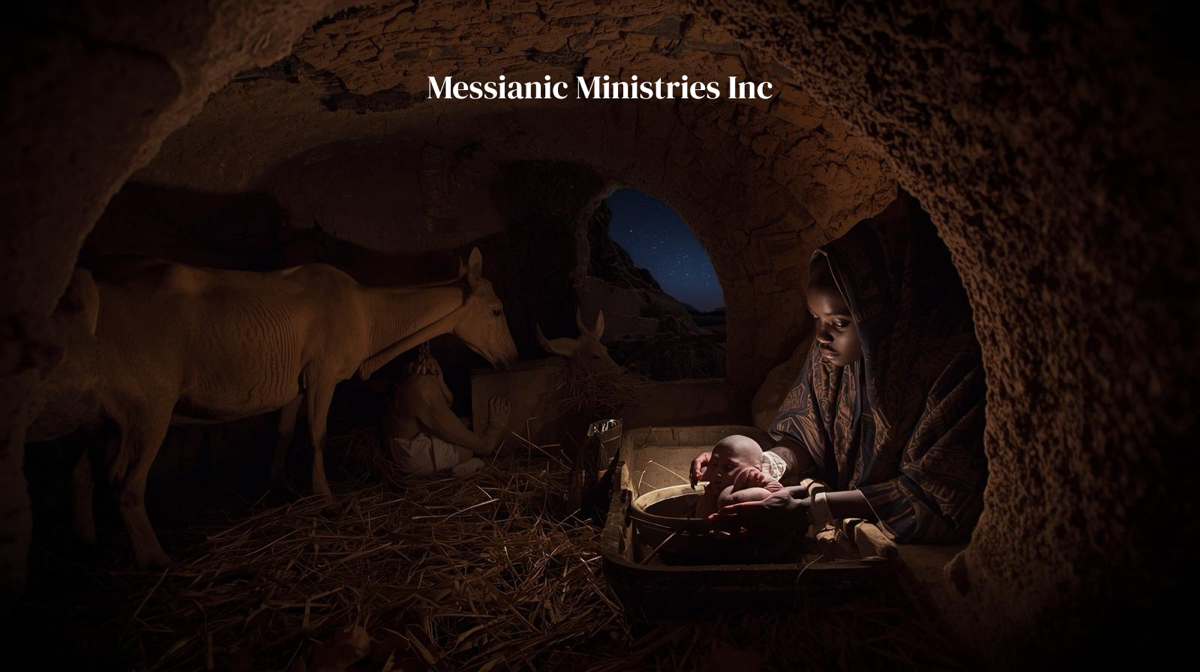
Luke chronicles the nativity of the Messiah with remarkable restraint. There is no trumpet sound. No doors to the palace are ajar. The Son of the Most High enters discreetly, born into destitution, placed where livestock are nourished. This is not a mere coincidence but a purposeful disclosure of God's redemptive plan.
The assurance to Israel was not only that a monarch would arrive, but that God Himself would approach. Luke's discourse underscores the concept of completion. The days were fulfilled. Time conforms to a higher purpose. History does not meander. It progresses towards a fulfilled promise. The Messiah arrives not by coercion but by modesty, not by entitlement but through submission.
The manager addresses human expectations. We seek power in spectacle, whereas God manifests power in vulnerability. We pursue respect by acknowledgment, whereas divinity rewards faithfulness that remains unnoticed. The lack of accommodation at the inn is not merely a social hardship. It constitutes theological exposure. Humanity was unprepared for its Redeemer, yet God arrives nonetheless.
Swaddling garments signify a voluntarily accepted constraint. The One who sustains all entities permits Himself to be constrained by fabric and situation. This constitutes the Messianic paradox. Glory obscured to render grace attainable. Authority obscured to allow love to approach without trepidation.
Luke's narrative urges the reader to examine their own attitude towards promise. The Messiah does not intrude upon congested hearts. He is positioned where space is created. The manger serves as the inaugural altar. Humble, disregarded, yet divinely selected.
A prevalent deficiency is idealizing the situation without acknowledging its consequences. Another aspect is regarding humility as peripheral rather than fundamental to Messianic identity. There exists the peril of admiration devoid of emulation. To endorse the manger while rejecting its summons to capitulate is to overlook Luke's purpose.
• God delivers promises according to His schedule, not ours
• Humility is a strength, not a frailty, but a divine strategy
• God engages with human rejection to achieve redemption
• The condition of the heart is more significant than the location
The Messiah was not born in a locus of power, but in a place of profound need. The manger asserts that God fulfills His promise by descending sufficiently to connect with everyone. Today, the inquiry is not whether God has arrived, but if we will accommodate Him.
#Christianity #jesus #christiantiktok #bible #foryou #cogic #cogbf #cog #apostolic #seventhdayadventist #messianicministriesinc #allnations #fgbcf #tiktok #bibleverse #prophetic #fght #paw
The Journey That Fulfilled the Promise
St Luke 2:4-5

This little excerpt is frequently interpreted as logistical context, however it carries significant prophetic implications. Joseph's journey from Nazareth to Bethlehem transcends mere adherence to a Roman edict. The invisible hand of God directs history towards the realization of the covenant. The Messiah manifests not via spectacle but via obedience, patience, and sacrificial fidelity.
Bethlehem is significant because promise is significant. God spoke via Micah that a leader would emerge from this modest community. Luke illustrates the operation of divine sovereignty via commonplace obedience. Caesar mandates a census, whereas God actualizes a covenant. Joseph proceeds on foot due to legal obligations, but divine providence progresses with its salvific agenda.
Mary's illness exacerbates the stress. She is pregnant, vulnerable, misapprehended, and physically fatigued. Nevertheless, she advances. This addresses a prevalent deficiency in our theological contemplation. We frequently highlight the fulfillment of prophesy while overlooking the human cost of obedience. The incarnation necessitated both divine authority and human submission. Faith, in this context, is not an abstract conviction. It represents trust manifested under duress.
A frequently overlooked issue is the inclination to perceive Joseph as a passive character. Luke rectifies this. Joseph demonstrates decisiveness. He guides his family to the promised land. Messianic fulfillment is intrinsically linked to male duty, covenant lineage, and moral fortitude. Divine influence operates through willing instruments that respect both vocation and sacrifice.
This text compellingly urges the reader to reevaluate the contemporary fulfillment of God's promises. We seek dramatic interventions while disregarding subtle compliance. The path to Bethlehem illustrates that God frequently realizes His most significant promises through arduous travels and unrecognized fidelity.
• Divine promises progress despite political structures and human difficulties
• Adherence to divine will situates believers within prophetic realization
• The Messiah enters history through humility rather than magnificence
• Faith necessitates action even amidst challenging circumstances • Human involvement is significant in the realization of the divine
The pilgrimage to Bethlehem illustrates that divine promises are neither postponed by adversity nor lessened by obscurity. They are realized by steadfast actions undertaken in confidence. By adhering to guidance in times of uncertainty, we frequently find ourselves at the heart of God's redemptive design.
#Christianity #jesus #christiantiktok #bible #foryou #cogic #cogbf #cog #apostolic #seventhdayadventist #messianicministriesinc #allnations #fgbcf #tiktok #bibleverse #prophetic #fght #paw
Delivered to Serve in Holy Light
St Luke 1:75-78

Zechariah's prophecy is not a mild contemplation. It is a theological assertion established in covenant history and realized in messianic presence. Luke depicts redemption not as an evasion from the earthly realm, but as a process of repair within it. The objective is unequivocal. A redeemed people serving God without fear, constituted by holiness and righteousness, sustained during the whole of life.
This promise addresses a nuanced misunderstanding frequently found in discussions of faith. Salvation is sometimes simplified to mere pardon, disconnected from one's calling. However, the text resists such limitation. The remission of sins serves as the gateway, rather than the ultimate goal. The Messiah emancipates to enable service. Fear is dispelled not only on an emotional level but also within a covenantal framework. God has intervened decisively in history, enabling His people to approach Him without fear or shame.
John's function is preliminary; however, the emphasis is not on the prophet. It is upon the Lord whose path is being established. The understanding of redemption is not merely theoretical knowledge. It is experiencing consciousness grounded in compassion. The term delicate mercy illustrates God's nature as relational rather than transactional. Redemption arises from compassion, not duty.
The climax occurs with the depiction of the dawn from above. This is a messianic linguistic expression derived from prophetic optimism. Light does not present a case for argument. It reveals reality through presence. The Messiah enters history to illuminate people sitting in darkness and to direct feet into the way of peace, as the following verse proclaims. Peace in this context is not merely an emotion. It is a structured existence under divine authority.
A prevalent deficiency in modern discourse is the inability to associate kindness with ethical metamorphosis. Some advocate for grace devoid of development, whereas others insist on holiness devoid of compassion. Luke dismantles this erroneous dichotomy. The identical mercy that grants forgiveness also enables virtuous conduct. A further gap is the oversight of dread as a theological concern. Scripture regards fear as a bondage alleviated by redemption, rather than a personality feature to be managed.
The narrative compellingly urges the reader to evaluate results. If salvation has not engendered bold service, the promise has not been wholly accepted. If holiness is perceived as burdensome instead of liberating, then the concept of God's kindness has been misconstrued.
* Salvation pertains to service rather than simply evasion of judgment.
* Mercy precedes and maintains transformation.
* Fearlessness is a covenantal outcome, not a product of human audacity.
* Messianic illumination discloses purpose and direction, rather than solely providing comfort.
The Messianic Promise articulated in Luke is luminous and exacting. God has visited His people, not to leave them absolved and inactive, but absolved and shaped. The dawn has arrived. The one appropriate reaction is to walk in its illumination, serve without trepidation, and exist daily before Him in sanctity and virtue.
#Christianity #jesus #christiantiktok #bible #foryou #cogic #cogbf #cog #apostolic #seventhdayadventist #messianicministriesinc #allnations #fgbcf #tiktok #bibleverse #prophetic #fght #paw